
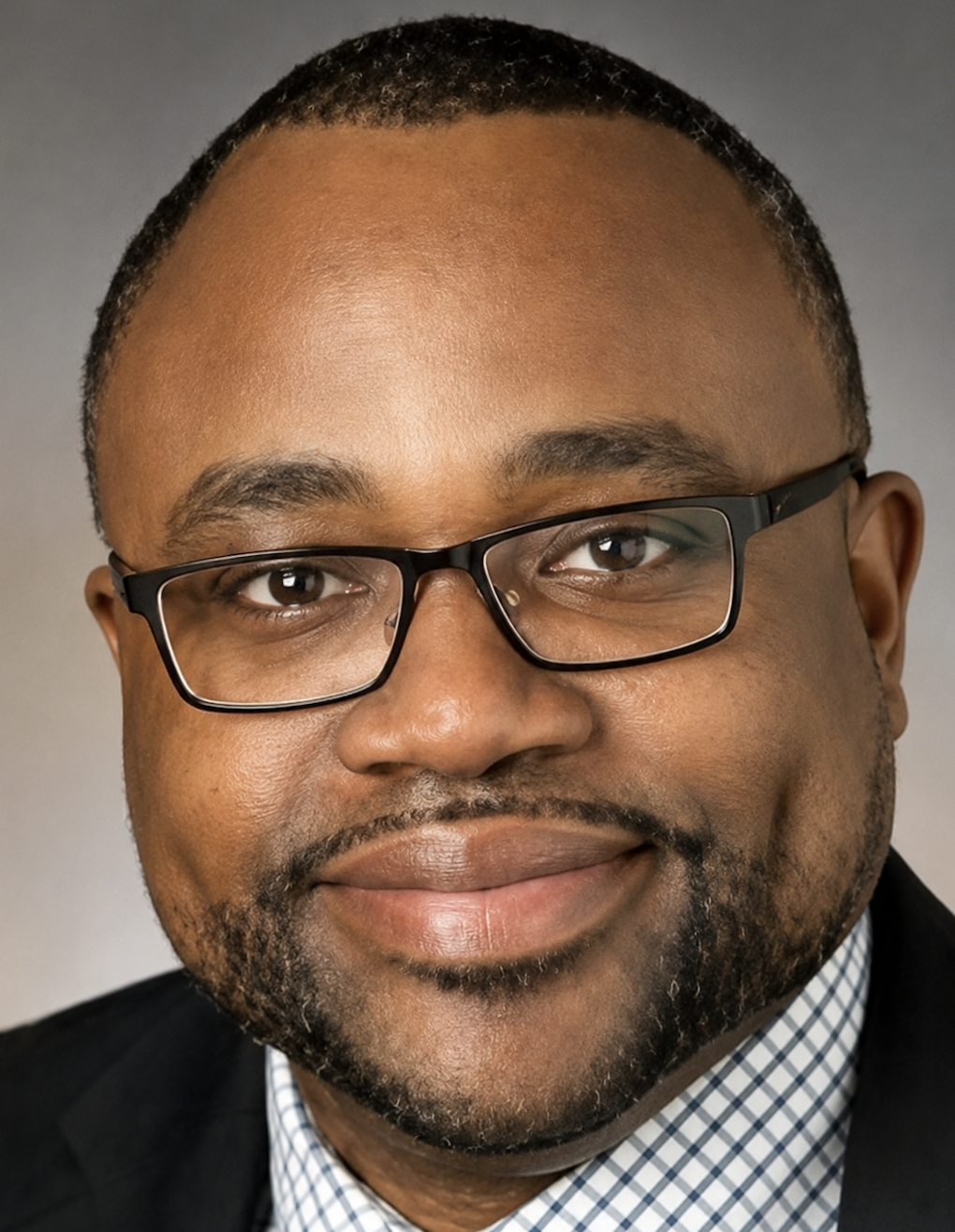
Rohan Manning is a Connecticut finance professional serving as chief financial analyst for the city of Middletown. He works with the Public Works Department on budget planning, forecasting, reporting, grant tracking, and contract-related fiscal analysis. As part of his responsibilities, Rohan Manning prepares recurring reports that help compare department spending, forecasts, and actual results across city operations.
Mr. Manning’s background spans public administration, aerospace, media, technology services, and corporate accounting. Before joining the city of Middletown in 2019, he worked with Pratt & Whitney in F135 program financial support. His responsibilities included contract funding analysis, monthly closing coordination, revenue contract reporting, and forecast presentations for leadership review.
Earlier in his career, he served as assistant controller and director of finance at Back9Network. In that role, he managed forecasting models, cash flow planning, management reporting, and financial statement processes. He also held finance roles at Open Solutions and ESPN, including analysis for large business units and advertising revenue tied to sports programming.
Mr. Manning earned an MBA in finance from Fordham University. He also holds a bachelor’s degree from Boston College in finance and information systems.
What is your typical day, and how do you make it productive?
No two days are ever exactly the same. Professionally, I oversee budgeting, contract compliance, capital projects, grants, and operational support for several city departments. My mornings usually start by reviewing priorities, responding to urgent issues, and ensuring projects remain on schedule and within budget. Evenings are often spent volunteering with Middletown Little League, whether that means attending games, meeting with volunteers, or helping develop programs for local youth.
I stay productive by focusing on priorities rather than simply reacting to tasks. I begin each day with a clear list of objectives and make sure the most important items receive attention first. I also believe in building strong teams and empowering people to make decisions, which allows projects to move forward efficiently while creating opportunities for others to grow.
How do you bring ideas to life?
I start by understanding the problem that needs to be solved. Too often people jump directly to solutions without fully understanding the challenge. Once the objective is clear, I identify stakeholders, gather data, and develop a realistic plan with measurable outcomes.
I believe ideas come to life through execution. A great idea means little without action, accountability, and persistence. Whether it’s a municipal infrastructure project, a grant initiative, or a youth sports program, I focus on creating achievable milestones and bringing the right people together to make the vision a reality.
What’s one trend that excites you?
The growing use of technology and data-driven decision-making in local government excites me. Municipalities are increasingly leveraging data analytics, automation, and digital tools to improve services, manage resources more effectively, and make better long-term decisions.
This trend has the potential to transform how governments operate by increasing transparency, improving efficiency, and delivering better outcomes for residents. When technology is combined with strong leadership and community engagement, it can create meaningful and lasting improvements.
What is one habit that helps you be productive?
Consistency. I have learned that success rarely comes from a single breakthrough; it comes from showing up every day and making incremental progress.
Whether it’s managing municipal projects, coaching youth sports, or pursuing personal goals, I focus on completing the important tasks even when motivation isn’t high. Consistent effort over time almost always produces results.
What advice would you give your younger self?
I would tell my younger self to stop worrying so much about having all the answers. Early in my career, I often felt pressure to know everything before taking action. Experience has taught me that growth comes from being willing to learn, ask questions, and adapt.
I would also emphasize the importance of relationships. Skills and knowledge matter, but strong relationships built on trust and integrity often create the greatest opportunities and have the most lasting impact.
Tell us something you believe that almost nobody agrees with you on.
I believe that many organizations spend too much time chasing perfection and not enough time making progress. While quality is important, waiting for the perfect plan can prevent meaningful action.
Some of the most successful projects I’ve been involved with started with imperfect information and evolved over time. Progress creates momentum, and momentum often leads to better solutions than endless planning.
What is the one thing you repeatedly do and recommend everyone else do?
Invest in people. Whether in government, business, or volunteer organizations, success ultimately comes down to people.
I regularly spend time mentoring, coaching, and helping others develop their skills. When you invest in people, you create stronger teams, better leaders, and organizations that can continue succeeding long after you’re gone.
When you feel overwhelmed or unfocused, what do you do?
I simplify. When there are too many competing priorities, I step back and identify the two or three most important things that absolutely need to get done.
I have found that focusing on what matters most helps reduce stress and creates momentum. Once those priorities are addressed, everything else becomes more manageable.
What is one strategy that has helped you grow your business or advance in your career?
One strategy that has consistently helped me is saying “yes” to opportunities that challenge me. Throughout my career, I have accepted responsibilities that were outside my comfort zone, whether that meant managing larger budgets, overseeing complex projects, or taking on leadership roles in volunteer organizations.
Each challenge expanded my skills, increased my confidence, and opened doors to new opportunities. Growth often happens when you are willing to take on responsibilities before you feel completely ready.
What is one failure in your career, how did you overcome it, and what lessons did you take away from it?
One of the biggest lessons I’ve learned came from projects that did not progress as quickly as expected because stakeholder communication was not established early enough. While the technical work may have been solid, insufficient communication created misunderstandings and delays.
I overcame this by making communication a priority from the beginning of every project. The experience taught me that leadership is not only about managing tasks and budgets—it’s about ensuring everyone understands the vision, expectations, and goals.
What is one business idea you’re willing to give away to our readers?
A municipal asset management platform designed specifically for small and mid-sized communities. Many municipalities struggle to track roads, vehicles, facilities, equipment, and infrastructure in a comprehensive and affordable way.
A cloud-based solution that combines asset tracking, maintenance scheduling, grant management, and capital planning could help communities make smarter decisions, extend asset life, and save taxpayer dollars.
What is one piece of software that helps you be productive? How do you use it?
Microsoft Excel remains one of the most valuable tools I use. While newer technologies receive a lot of attention, Excel continues to be incredibly powerful for budgeting, forecasting, project tracking, and data analysis.
I use it regularly to analyze financial information, monitor project expenditures, develop forecasts, and support decision-making. Its flexibility allows me to organize complex information in a way that is both practical and actionable.
What is the best $100 you recently spent? What and why?
One of the best recent investments I’ve made was in youth baseball and softball development resources. Whether it’s training equipment, instructional materials, or coaching resources, these investments help improve the experience for young athletes.
The return goes far beyond the dollars spent. Seeing children develop confidence, teamwork, discipline, and a love for the game creates a lasting impact on both the players and the community.
Do you have a favorite book or podcast you’ve gotten a ton of value from and why?
One book that has had a significant impact on me is “Siddhartha.” It explores universal questions about purpose, happiness, identity, and enlightenment in a simple yet deeply philosophical story. Although inspired by ancient Indian spiritual traditions, its lessons resonate across cultures and generations.
It argues that wisdom cannot be taught—it must be experienced. Siddhartha learns that no teacher, religion, or philosophy can give someone enlightenment. True understanding comes only through living, making mistakes, loving, suffering, and reflecting on one’s own experiences.
It explores the search for meaning. Nearly everyone asks questions like, “Who am I?” “What is success?” “What makes life worthwhile?” The novel suggests that material wealth, intellectual knowledge, and even strict spirituality are incomplete unless they lead to inner peace.
It challenges conventional ideas of success. Siddhartha experiences wealth, romance, business, and luxury, only to discover that external achievements do not guarantee fulfillment. The book encourages readers to define success by inner contentment rather than possessions or status.
What’s a movie or series you recently enjoyed and why?
“The White Lotus” stands out because it combines sharp social satire, mystery, dark comedy, and compelling character studies into a show that’s both entertaining and thought-provoking. Rather than relying on constant action, it creates tension through human behavior, relationships, and moral ambiguity.
Every character feels complex. There are no clear heroes or villains. Each guest and employee has strengths, flaws, insecurities, and contradictions, making it easy to become invested in their stories—even when they’re making terrible decisions.
It satirizes wealth and privilege. The show uses luxury resorts as a backdrop to examine class, power, entitlement, and the ways money shapes relationships. It raises questions about whether wealth brings happiness or simply magnifies people’s existing problems.
The mystery keeps you engaged. Each season begins by revealing that someone has died, but not who or why. This structure creates suspense while allowing the story to focus on the characters’ interactions and gradual unraveling.
It blends comedy with drama. Awkward social encounters, biting humor, emotional conflict, and unexpected twists coexist naturally. One moment you’re laughing, and the next you’re witnessing a deeply uncomfortable or heartbreaking scene.
Key learnings
- Strong leadership is rooted in service, integrity, and a commitment to developing others rather than seeking personal recognition.
- Lasting success is achieved through consistent effort, disciplined execution, and a willingness to embrace new challenges and continuous learning.
- Building stronger communities requires investing in youth, mentoring future leaders, and fostering meaningful relationships based on trust and accountability.
- Effective organizations thrive when leaders prioritize communication, collaboration, and data-driven decision-making to solve complex problems.
- Personal and professional fulfillment comes from leaving a positive, lasting impact on people, organizations, and the community.