
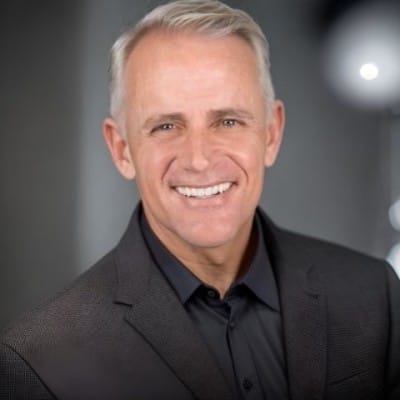
Rowdy Oxford has over 20 years of experience in national security, emergency management, and commercial strategy. A U.S. Army veteran, he currently serves as a Regional Emergency Preparedness Liaison Officer (EPLO) to FEMA, where he plays a vital role in bridging military support and civilian response during national crises. His work involves coordinating disaster logistics, advising on crisis response frameworks, and supporting nationwide Defense Support of Civil Authorities (DSCA) operations. Beyond his military and public service, Oxford has held senior executive roles in the defense, safety, and industrial sectors, overseeing multimillion-dollar business development projects and strategic growth across North and South America. Known for driving innovation and building high-performing teams, he has worked with federal agencies, law enforcement, and emergency responders to strengthen public-private coordination and operational resilience. Oxford is deeply committed to service-driven leadership and is passionate about mentoring the next generation of leaders, especially fellow veterans transitioning to civilian careers. His leadership style combines real-world action with strategic foresight, making him a respected voice in government and industry circles. Outside work, he enjoys the outdoors and advocates for veteran support initiatives. His career reflects a steadfast dedication to mission success, innovation, and building resilient communities in an increasingly complex world.
What is your typical day, and how do you make it productive?
My day begins early with a review of key situational updates, both national and regional. I prioritize three mission-critical tasks and delegate where possible. I spend much of the day on interagency coordination, leadership briefings, and operational planning, especially as an EPLO. I protect blocks of time for strategic thinking, which is essential in both public and private sector work. Staying productive means eliminating distractions, communicating clearly, and aligning teams around shared objectives. A disciplined routine, a focused team, and a clear sense of mission keep my days efficient and impactful.
How do you bring ideas to life?
I bring ideas to life by starting with purpose. Every idea must solve a real-world challenge or improve an existing system. I outline the strategy, map stakeholder input, and then pilot the concept in a controlled environment. Feedback loops are essential; I rely on frontline teams, trusted advisors, and critics to pressure-test the plan. From there, I build scalable frameworks and assign the right talent to execute. Momentum comes from action. I believe in iterating quickly, measuring results, and course-correcting as needed. Innovation only matters if it delivers real outcomes, lives saved, missions completed, or communities strengthened.
What’s one trend that excites you?
The integration of AI and predictive analytics in emergency management excites me. For years, we’ve relied on historical data and reactive systems. Now, AI can forecast crisis hotspots, optimize supply chains, and enhance situational awareness in real-time. This shift empowers teams to act proactively, saving lives and resources. When properly deployed, I’ve seen firsthand how technology bridges gaps between federal response and local needs. This trend can completely reshape disaster preparedness and public safety, not by replacing humans, but by augmenting decision-making. We’re just scratching the surface, and the future looks promising.
What is one habit that helps you be productive?
Daily after-action reviews. At the end of each day, I take ten minutes to reflect: What went right? What needs improvement? What must carry over into tomorrow? This habit, rooted in military practice, keeps me aligned with my goals and helps me adjust quickly. It’s also a chance to reinforce lessons and keep my team looped in. When leading across multiple domains, defense, emergency response, and business, clarity is key. This reflection ensures I’m not just busy, but effective. It also reinforces a constant learning and improvement mindset essential for long-term success.
What advice would you give your younger self?
Be patient, but stay relentless. Early in my career, I was eager to move fast, climbing ranks, launching initiatives, and solving problems immediately. While ambition is important, impact takes time. Relationships, reputation, and leadership are built over decades, not days. I’d also tell myself to listen more. Some of the best lessons came from quiet voices in the room. Finally, I’d say: trust your values. Integrity and service are not slogans, they’re compasses. The world changes fast, but those principles will keep you on course. Take risks, but never forget who you are or why you started.
Tell us something you believe that almost nobody agrees with you on?
I believe that “perfect plans” are often the enemy of effective action. In crisis response, over-planning can delay critical moves. You don’t need 100 percent certainty to make a 90 percent good decision. While many industries reward exhaustive preparation, speed beats precision in emergency and defense sectors. That’s uncomfortable for many leaders, especially in corporate settings. But in high-stakes environments, you must act, adjust, and move forward. That mindset has saved lives and created unexpected opportunities. I’ve learned that resilience is more valuable than perfection, and more realistic.
What is the one thing you repeatedly do and recommend everyone else do?
I mentor. No matter how busy life gets, I make time to guide others. Whether it’s veterans transitioning to civilian roles or young professionals entering public service, mentoring sharpens my perspective and keeps me grounded. I recommend everyone do this, regardless of industry or stage in life. When you mentor, you clarify your values, share hard-earned lessons, and invest in someone else’s growth. It’s about giving back and building the kind of leaders you want to work alongside. A rising generation is watching, help them rise the right way.
When you feel overwhelmed or unfocused, what do you do?
I step outside, literally. A short walk, fresh air, or time in nature resets my mindset. I also use a “combat breathing” technique learned during my military service: slow, deliberate breaths to regain focus. If the situation allows, I will revisit my core mission and isolate one small action I can take now. That breaks paralysis. Leadership often means managing chaos. You can’t eliminate pressure, but you can control how you respond. And sometimes, clarity doesn’t come from thinking more, but from stepping back, quieting the noise, and reconnecting with purpose.
What is one strategy that has helped you grow your business or advance in your career?
Cross-sector fluency has been my secret weapon. I can build bridges others miss by understanding government protocols and private sector drivers. This ability has opened doors in public-private partnerships, commercial ventures, and defense initiatives. I never limit myself to one lane. Helping a startup scale logistics or advising FEMA during a hurricane, I apply the same strategic rigor. I also build diverse teams, with experts from different industries and with different viewpoints. That blend sparks innovation and allows us to adapt quickly. In a world of silos, being a connector creates exponential value.
What is one failure in your career, how did you overcome it, and what lessons did you take away from it?
Early in my commercial career, I underestimated cultural differences when leading a Latin American expansion. I assumed that what worked in the U.S. would translate directly. It didn’t. Miscommunications and missed milestones followed. I had to own the failure, recalibrate our approach, and build local partnerships from the ground up. That experience taught me humility and the value of listening before leading. It also reminded me that leadership means adapting, not imposing. Since then, I approach every new environment with curiosity and respect. It made me a better strategist and a more effective global leader.
What is one business idea you’re willing to give away to our readers?
Create a real-time platform connecting veterans with local disaster response teams. There’s a massive untapped resource in former military personnel with logistics, medical, and crisis response skills. Imagine a vetted, geo-tagged app where FEMA, local agencies, or neighborhood responders can find nearby veteran volunteers during wildfires, floods, or civil disruptions. It’s practical and gives purpose to those trained for high-pressure environments. The infrastructure exists; the coordination doesn’t. Bridging that gap would strengthen communities and give veterans meaningful ways to serve again, right where they live.
What is one piece of software that helps you be productive? How do you use it?
Microsoft Teams has become a cornerstone of my workflow. It’s not just for meetings, I use it to manage task lists, share updates with cross-agency stakeholders, and track real-time collaboration during emergencies. Its integration with Outlook and SharePoint allows seamless document sharing and version control, which is essential when coordinating with military and civilian teams. I’ve customized channels for specific incident responses and strategic initiatives, so everything stays organized. When time is critical, having a centralized, secure platform reduces delays and helps everyone stay aligned. It’s the digital command center I rely on daily.
Do you have a favorite book or podcast you’ve gotten a ton of value from and why?
Extreme Ownership by Jocko Willink and Leif Babin remains a favorite. It distills powerful leadership lessons from combat into principles that apply in business, government, and everyday life. Taking full responsibility for outcomes, teams, and decisions resonates deeply with me. It’s shaped how I lead under pressure, mentor others, and navigate failure. The podcast by the same name offers tactical insights as well. This mindset of accountability and ownership is a game-changer in a world full of excuses. These principles hold whether you’re leading a crisis response or a startup team.
What’s a movie or series you recently enjoyed and why?
I recently enjoyed The Terminal List starring Chris Pratt. It’s a gripping story that blends action, loyalty, and resilience under extreme circumstances. The internal conflict struck me most, how personal loss and duty collide. The tactical accuracy also hit home as someone with a defense background. But beyond the thrills, it explores themes I care about deeply: leadership under fire, moral ambiguity, and staying true to your mission. It reminded me that service doesn’t end when the uniform comes off, and that strength sometimes lies in quiet resolve, not just brute force.
Key learnings
- Action beats perfection
- Mentorship is a mission
- Cross-sector thinking is a strength