
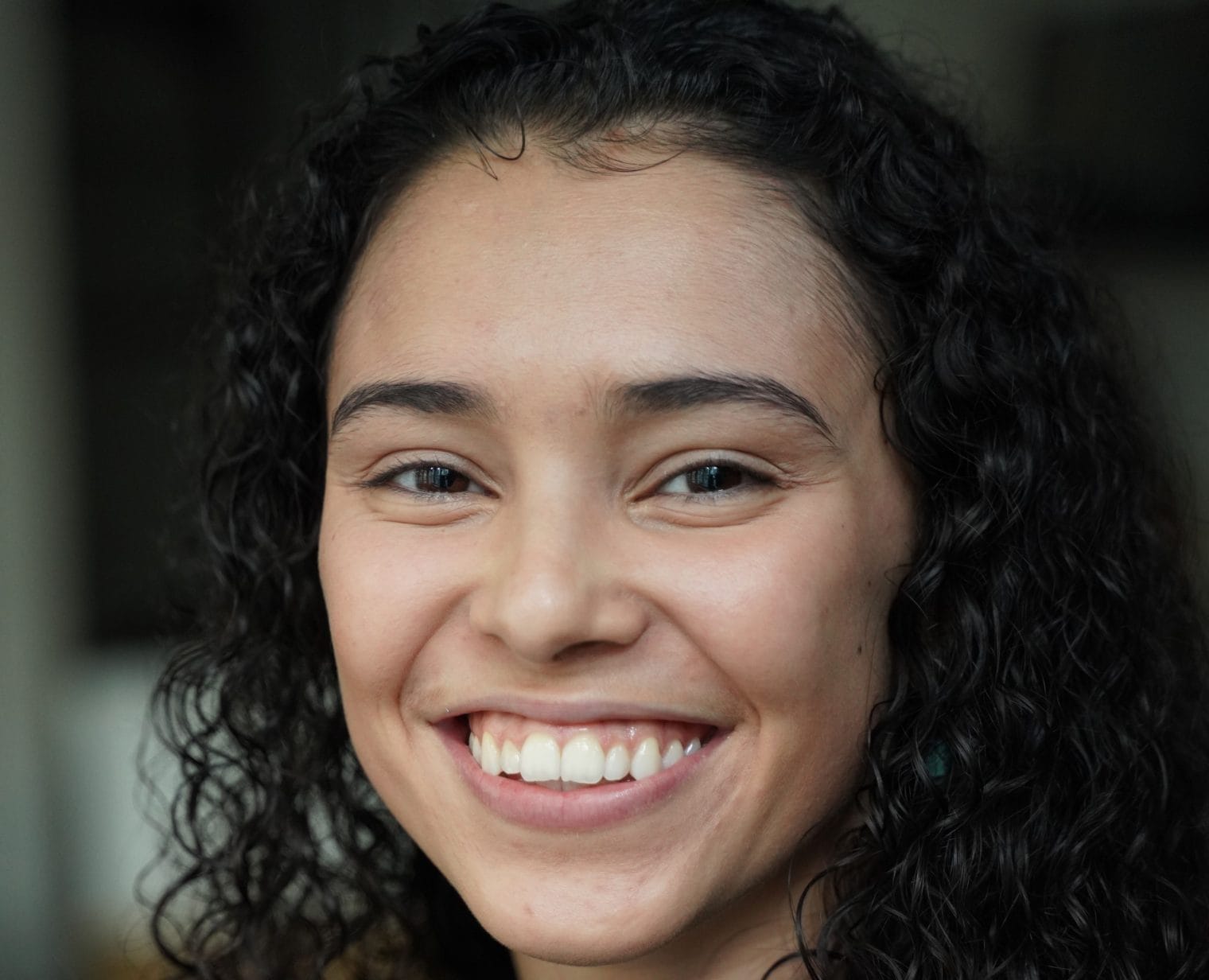
A resident of New York City, Ruby Marzovilla graduated from Oberlin College with a degree in anthropology and biochemistry in 2020. After working in health-related positions for several years, Ruby Marzovilla became the National Core Team accessibility lead for COLAGE National.
In her role as team lead with COLAGE National, Ms. Marzovilla works with youth. Her position involves communicating with parents about their children’s needs. She also creates access plans and organizes community events, making sure that American Sign Language interpreters are at the events those with hearing challenges. She creates disability justice-centered curricula, safety training, and seizure protocol for volunteer staff, and also enlists donor support when organizing events.
Ruby Marzovilla has expertise in conflict resolution and is a social advocate, and is CPR, AED, and first aid certified. She also has experience choreographing music videos. Her work includes the “No Good” video for “Backpack Ben” and the “Tropicana” music video for Zoe Ervolino. While in college, she was also the chair and treasurer of the Oberlin College Hip Hop Dance Troupe.
What is your typical day, and how do you make it productive?
Balancing customer service (scheduling vaccines, verifying eligibility) with administrative tasks (insurance collection, training).
Prioritizing tasks like accessibility coordination (ASL interpreters, event planning) and team support.
Using structured workflows (e.g., confidentiality protocols, remote collaboration tools) to maintain efficiency.
How do you bring ideas to life?
Collaboration: workshopping choreography with artists or designing fitness plans tailored to clients.
Execution: turning concepts like disability-justice curricula or community events into actionable plans.
What’s one trend that excites you?
Hybrid fitness: combining in-person training with Zoom sessions for broader client access.
Disability justice: integrating accessibility (e.g., ASL interpreters) into mainstream events.
What is one habit that helps you be productive?
Structured scheduling: managing 15+ hours/week for dance troupe leadership (practices, budgets, showcases).
Continuous learning: completing trainings (CPR, cultural bias) to stay adaptable.
What advice would you give your younger self?
Embrace leadership roles earlier—they’re opportunities to grow (e.g., dance troupe co-chair).
Balance creativity with logistics (e.g., choreography + budget management).
Tell us something you believe almost nobody agrees with you on?
Accessibility planning (e.g., ASL interpreters) should be standard for all events, not just “special” ones.
What is the one thing you repeatedly do and recommend everyone else do?
Proactive communication: clarifying client needs (fitness/vaccine eligibility) or staff access requirements upfront.
When you feel overwhelmed or unfocused, what do you do?
Delegate: leveraging team support (e.g., volunteer staff in disability justice training).
Physical activity: using dance or fitness routines to reset focus.
What is one strategy that has helped you grow your business or advance in your career?
Networking: collaborating with donors (Colage) or artists (music videos) to expand opportunities.
How: building trust through reliability (e.g., confidentiality in accessibility work).
What is one failure in your career, how did you overcome it, and what lessons did you take away from it?
Underestimating event logistics (e.g., interpreter coordination). Overcame by creating detailed access plans. Lesson: always plan for scalability.
What is one business idea you’re willing to give away to our readers?
Accessibility consulting for creatives: help artists/event planners integrate ASL, sensory-friendly options, and disability justice into their work.
What is one piece of software that helps you be productive? How do you use it?
Zoom: hosting remote workouts, team collaborations, and disability justice trainings.
Do you have a favorite book or podcast you’ve gotten a ton of value from and why?
Podcasts on disability justice or fitness innovation.
What’s a movie or series you recently enjoyed and why?
Documentaries on dance culture or social advocacy.
Key learnings
- Accessibility planning (e.g., ASL interpreters) enhances inclusivity and event success.
- Hybrid fitness models (Zoom + in-person) expand client reach and flexibility.
- Leadership in creative fields (dance, fitness) requires balancing artistry with logistics.
- Continuous training (CPR, cultural bias) ensures adaptability in dynamic roles.
- Collaboration—whether with donors, artists, or teams—drives innovation and impact.