
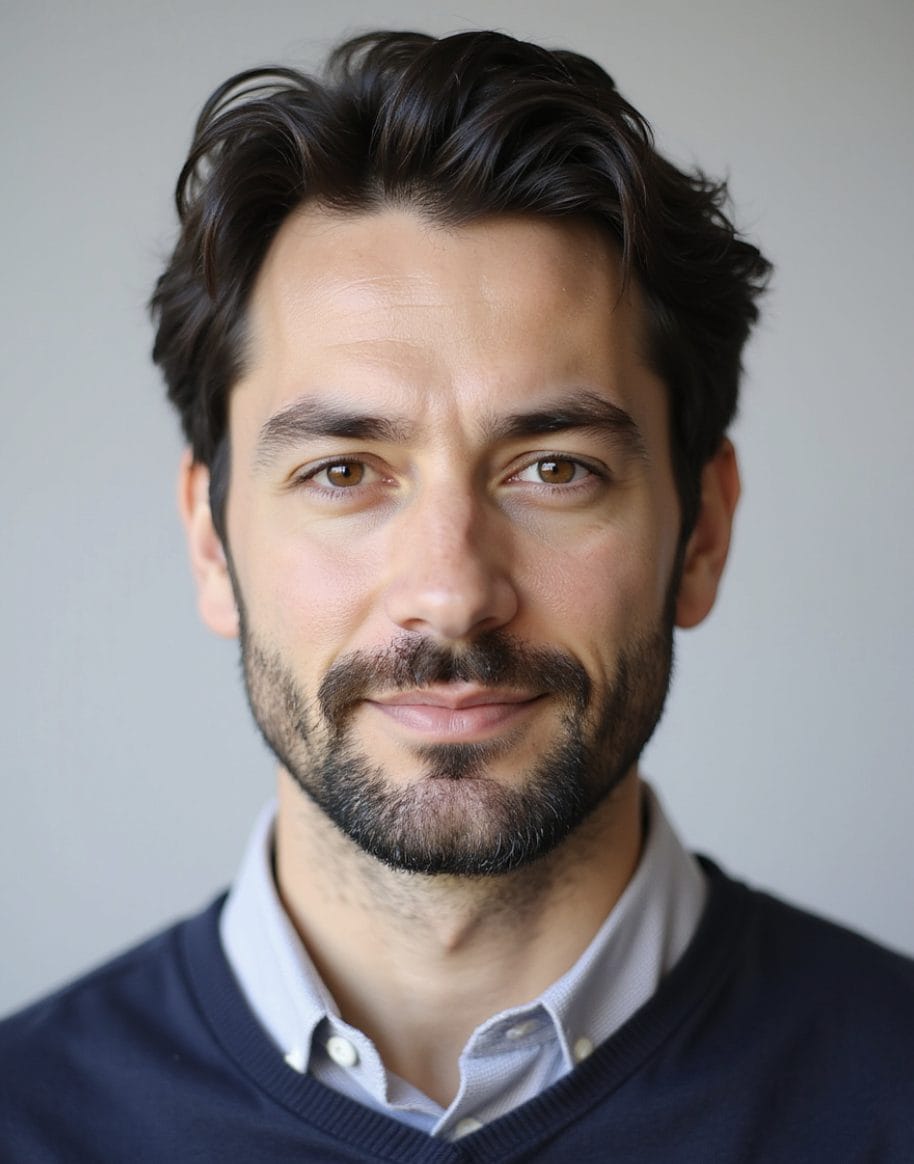
Atlanta-based photographer Saswat Panda is a visual storyteller with a mission to spotlight the fragile beauty of Earth’s wild places. With an academic background in environmental science and several years of hands-on experience in grassroots conservation, Saswat uses photography as both an art form and a powerful tool for advocacy. His compelling images bring attention to threatened ecosystems, disappearing species, and the urgent need for ecological stewardship in a changing world.
After earning his degree in Environmental Studies from the University of Georgia, Saswat began documenting the rich and often overlooked biodiversity of the southeastern United States. From the Blackwater wetlands of the Okefenokee Swamp to the windswept barrier islands along Georgia’s coastline, his early photographic work earned recognition for its unique perspective and emotional impact. His photographs have since been published in National Geographic, Nature Conservancy Magazine, and showcased at major conservation summits and exhibitions.
Saswat has conducted extensive fieldwork in Alaska, the Sonoran Desert, and the Pacific Northwest. He often partners with local land trusts, environmental researchers, and conservation groups to produce images that are scientifically grounded and visually captivating. His immersive process includes spending long periods in remote locations, observing wildlife behavior, and engaging directly with field biologists and ecologists.
Today, Saswat leads educational workshops for emerging conservation photographers, advises on visual strategy for environmental campaigns, and remains an active voice in nature preservation efforts. His first photo book, Still Wild, is scheduled for release next year and will highlight endangered habitats and species across the American South.
What is your typical day, and how do you make it productive?
My day is dictated by the sun and the weather. When I’m on a fieldwork trip, it starts well before dawn. I’m productive not by multitasking, but by focusing on being present. The goal is to be in position and fully aware, ready for the first light and the earliest animal movements. Productivity for me is about quiet observation and patience, rather than a checklist of things to get done.
How do you bring ideas to life?
It’s a three-part process. First, an idea begins with a curiosity, a question about a particular species or ecosystem. The second stage is research and planning, which my environmental science background helps with immensely. I study the subject and its habitat to inform my strategy. Finally, the third and most crucial step is disciplined patience in the field. This is where I wait for the idea to unfold organically, without force or artifice.
What’s one trend that excites you?
The increasing use of social media for authentic environmental storytelling truly excites me. While some might focus on the negative aspects, I see a tremendous opportunity. When done ethically, these platforms can make conservation accessible and personal for a new generation. A single, powerful story can now be seen by millions, inspiring a sense of responsibility in a way that traditional media could not.
What is one habit that helps you be productive?
Waking up before the sun is my most productive habit. This gives me a critical head start, allowing me to be on location and set up during the “golden hour” of light, which is essential for my work. This quiet time also provides a period for mental preparation and focusing my intentions for the day ahead, far from the distractions of the digital world.
What advice would you give your younger self?
I would tell my younger self to be more patient and to trust the process. In the beginning, I was too focused on the result: the perfect photograph. I’ve learned that the most meaningful work is not a product of instant gratification but of a deep, abiding patience. The best stories in the wild reveal themselves in their own time, and you must be willing to wait for them.
Tell us something you believe that almost nobody agrees with you on?
I believe that the most impactful conservation photography is not about grand, sweeping landscapes or epic, dramatic moments. It’s about the quiet, intimate details that are often overlooked; the delicate wing of a damselfly, the resilience of a small flower. It’s in these subtle stories that we find the inspiration for a deeper, more personal connection to the wild.
What is the one thing you repeatedly do and recommend everyone else do?
I repeatedly spend time in nature without my camera. I highly recommend this practice. When you remove the lens, you remove the pressure to capture and you are free to simply experience. This helps me reconnect with my original fascination for the natural world and reminds me of the true purpose of my work, which is not just to take pictures, but to inspire a love for what’s around us.
When you feel overwhelmed or unfocused, what do you do?
When I feel overwhelmed, I disconnect entirely. I will find a quiet space, often a local park or trail, and leave my phone and other devices behind. The simple act of immersing myself in a natural environment, without any agenda or digital distractions, helps me to reset my focus and find a sense of clarity.
What is one strategy that has helped you grow your business or advance in your career?
The most successful strategy has been leveraging my environmental science background to create a unique niche. This fusion of science and art gives my work a deeper purpose. I am not just a photographer; I am a visual storyteller with an informed perspective on the ecological issues I’m documenting. This has helped me attract not only a wider audience but also partnerships with organizations that value authentic, mission-driven content.
What is one failure in your career, how did you overcome it, and what lessons did you take away from it?
Early in my career, I spent a lot of time and money on a major expedition to a remote location and came back with very little to show for it. I was devastated. I overcame this by reframing my perspective. I learned to view the trip not as a failure to get photographs, but as a success in gaining invaluable experience. It taught me resilience, the importance of adaptability, and that some of the most profound lessons happen when you don’t get the shot.
What is one business idea you’re willing to give away to our readers?
I’d suggest creating a platform that connects conservation photographers with local, grassroots environmental nonprofits. Many small organizations need high-quality images for their advocacy and fundraising, but they lack the budget to hire a professional. This platform would facilitate donations of time and talent, creating a mutually beneficial ecosystem where photographers get exposure and nonprofits get the visual assets they desperately need.
What is one piece of software that helps you be productive? How do you use it?
Adobe Lightroom is essential for my workflow. It goes beyond simple editing; I use it as a powerful cataloging system. With thousands of images from multiple projects, its organizational tools allow me to efficiently sort, tag, and search my entire library. This saves me an incredible amount of time, ensuring I can quickly find the right image for a client or publication.
Do you have a favorite book or podcast you’ve gotten a ton of value from and why?
I find immense value in the writings of John Muir. His essays and journals are a constant source of inspiration. Muir had a unique ability to blend scientific observation with a profound sense of wonder and reverence for the natural world. Reading his work reminds me that the purpose of my photography is not just to document, but to convey that same sense of awe and spiritual connection that he so beautifully captured in his prose.
What’s a movie or series you recently enjoyed and why?
I recently enjoyed the documentary series Our Planet. While the photography is stunning, what I appreciated most was the narrative. It’s a master class in storytelling, not just showing the beauty of nature but also clearly illustrating the challenges it faces. It’s a powerful example of how visual media can be used as a call to action, which is something I strive for in my own work.
Key learnings
- A career built on passion and purpose can be more fulfilling and successful than one based solely on traditional metrics.
- Patience and presence are crucial professional skills, not just personal virtues, especially in a fast-paced, digital world.
- Authenticity and ethics, while sometimes challenging, are the foundation for a powerful and influential brand.
- Leveraging a unique background to create a distinct niche can be a highly effective strategy for career advancement and business growth.