
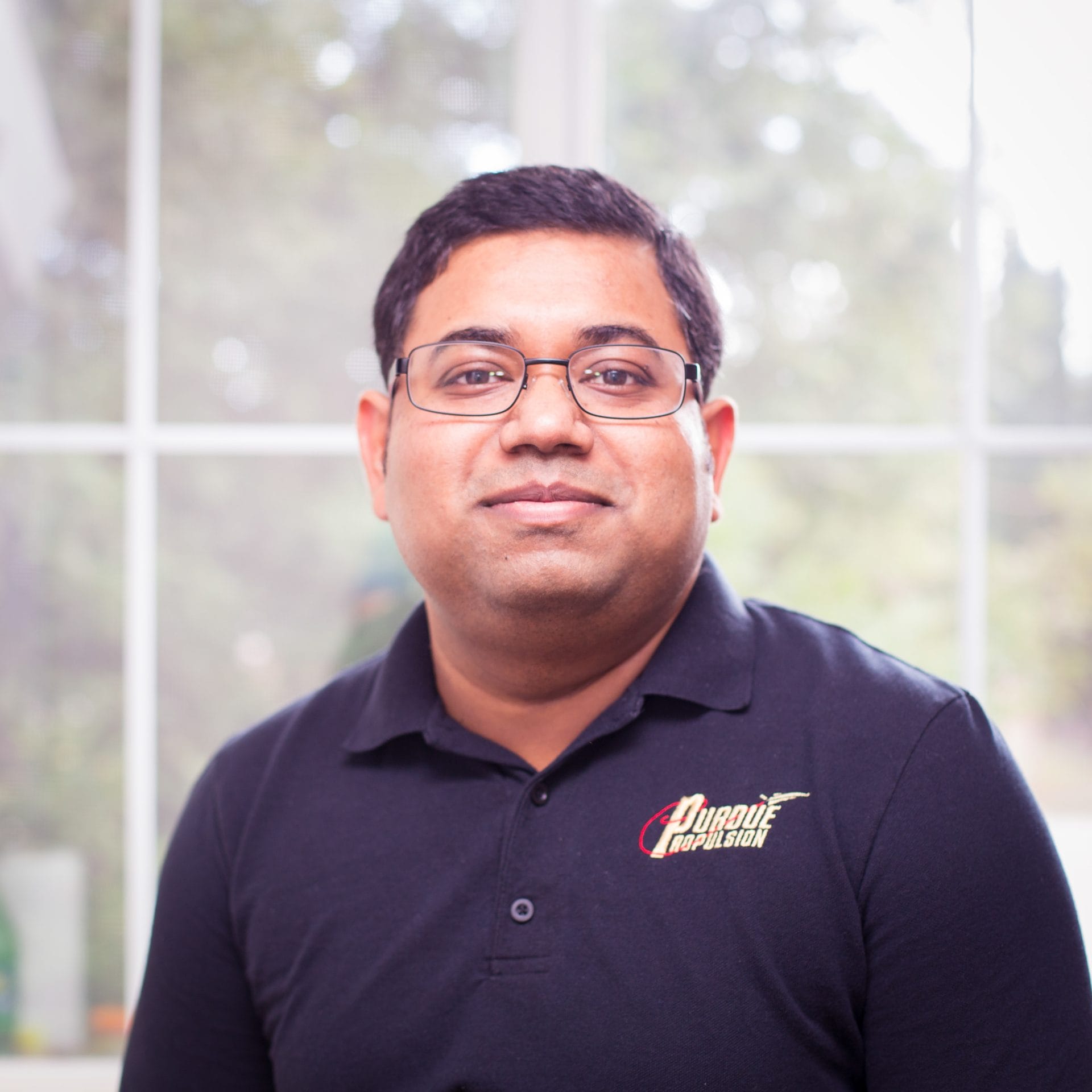
Sayan Biswas is a Saint Paul, Minnesota, entrepreneur with leadership in sustainable energy development and commercialization. Sayan Biswas launched TerraCare Energy, LLC, in Saint Paul in 2025, after working since 2022 on building and validating a scaled SkyWindFarm prototype. This innovative modular airborne wind energy system operates at up to 5,000 feet in altitude and meets the needs of data centers and other energy-intensive rural, off-grid systems.
Mr. Biswas earned his doctorate in aerospace engineering at Purdue University and took first place in Combustion Art in 2015 at the 9th US National Combustion Meeting. He was a fellow and scholar at the Institute on Environment and at the Center for Transportation Studies in Minneapolis from 2022 to 2025. His focus was on creating a hydrogen hub that enabled the production of aviation fuel through sustainable green hydrogen. He also developed strategies for minimizing methane emissions associated with natural gas flaring across the Bakken and Permian basins.
As a postdoctoral researcher in energy and combustion at Sandia National Laboratories in Livermore, California, Sayan Biswas developed a next-generation plasma igniter that took the place of conventional spark plugs and boosted fuel economy by 20 percent. He has earned American Society of Mechanical Engineers recognition as a “Rising Star of Mechanical Engineering.”
What is your typical day, and how do you make it productive?
My typical day begins at 6:30 AM with a routine that sets me up for success. I start with mindfulness meditation and yoga, which helps tO clear my mind and connect with my body before the day gets busy. This morning practice grounds me and gives me focus for everything that follows.
After my workout, I cook breakfast and spend an hour reading news and writing. This morning reading time keeps me informed about what’s happening in the world, while writing helps me process my thoughts and ideas. I find that doing this early, before emails and meetings take over, gives me better mental clarity throughout the day.
Once I check my emails, I dive into my main work—building my clean energy startup. I focus on the most important tasks first and work in concentrated blocks with regular breaks. These breaks aren’t just rest periods. They often bring new perspectives on problems I’m working on. I’ve learned that stepping away from a challenge frequently leads to better solutions.
After lunch, I do something that might seem unproductive, but has become essential.: I block out time specifically for thinking and reflection. Sometimes I take a walk around the neighborhood or sit with a notebook and let my mind wander. This quiet time helps me connect ideas from my morning reading with the work I’m doing. It’s where I often have my best insights about the business or discover new approaches to challenges we’re facing.
Evenings are reserved for family time. We take walks together, which serves as both exercise and a way to disconnect from work stress. These walks remind me why I’m working so hard on clean energy—to build a better world for the people I love. Family time helps me tO maintain perspective and recharge emotionally.
Before bed, I write in my journal about what I learned during the day, what went well, and what I want to improve. This reflection helps me to process experiences and often reveals patterns I didn’t notice while living through them. It also helps me prepare mentally for the next day.
What makes this routine work for me is how it balances different types of activities. The mindfulness practices keep me grounded and present. The reading and writing feed my curiosity and help me to think more clearly. The focused work time lets me make real progress on meaningful goals. The periods of reflection help me learn from each day. And family time reminds me of what’s truly important.
I’ve found that productivity isn’t about cramming more into each day. It’s about creating a rhythm that supports both getting important work done and staying connected to what matters most. The key is building in regular practices for mindfulness, learning, reflection, and human connection. When these elements are in balance, everything else tends to flow more naturally.
How do you bring ideas to life?
Ideas hit at the strangest moments—during a conversation, while walking, or when I’m focused on something completely different. That’s why I always carry a pen and small pocket notepad. The moment an idea sparks, I write it down immediately. I’ve learned that good ideas are fragile. If you don’t capture them right away, they tend to slip away or lose their clarity.
When I have time later, I go back to these quick notes and flesh them out. This is where the real work begins. I take that initial spark and start asking questions: What problem does this solve? Who would benefit? What would it take to make this real? Sometimes the idea grows into something exciting. Other times, I realize the idea is not as strong as I first thought—and that’s valuable, too.
Drawing is a huge part of my process. I sketch out concepts, create simple schematics, and map out flow charts to help me visualize how an idea might work. There’s something about putting pen to paper that forces you to think through details you might skip when you’re just thinking in your head. When I sketch out an idea, I often discover gaps or connections I hadn’t noticed before.
Once I have a clearer picture, I start bouncing the idea off people I trust. I’ll talk it through with close friends and peers who understand my work. I always ask my wife for her thoughts—she has a different perspective and often asks questions that help me see blind spots. These conversations are crucial because they help me to understand how others might react to the idea and what aspects need more development.
After getting this feedback, I spend time refining the concept until I have the overall idea, scope, and picture ready. Then I write it down, starting with an executive summary that captures the essence of what I’m proposing. This writing process forces me to be clear and concise about what the idea actually is and why it matters.
The final step is pitching the idea to stakeholders—whether it’s potential investors, team members, or partners who could help make it happen. By this point, I’ve thought through the idea from multiple angles, visualized how it could work, tested it with trusted advisors, and clearly documented it. This preparation shows in the pitch and gives me confidence in presenting it.
What I’ve learned is that bringing ideas to life is both creative and systematic. The creativity comes in that initial spark and in the drawing and visualization process. The systematic part is in the testing, refining, and documenting process that turns a rough concept into something that others can understand and get excited about.
There’s something deeply satisfying about this entire process. Starting with a simple note scribbled in a pocket notebook and ending with a fully formed proposal that could change how we approach a problem—that’s the magic of taking ideas seriously. Not every idea makes it through this process, but the ones that do are usually worth the effort. And even the ideas that don’t work out teach you something valuable for the next time.
What’s one trend that excites you?
If I had to pick one trend that truly excites me, it’s how we’re witnessing the emergence of a new kind of thinking that brings together climate action, energy innovation, and artificial intelligence in ways that we’ve never seen before. We’re living in an incredibly exciting time where these three forces are converging to create possibilities that seemed impossible just a few years ago.
What makes this moment special is the shift in consciousness, especially among Gen Z and younger millennials. This generation cares deeply about mental health and the planet in ways that go beyond traditional business models focused purely on growth and profit. They’re asking different questions: How do we build companies that serve people and the planet, not just shareholders? How do we create technology that heals rather than harms? This isn’t just idealism—it’s practical recognition that we need to include people and the planet in every equation if we want lasting success.
The climate challenges we face have created an unexpected gift: they’ve shown us how interconnected we really are. When extreme weather hits one part of the world, we feel the ripple effects everywhere—in supply chains, food prices, migration patterns, and innovation priorities. This interconnectedness, while challenging, is also driving incredible collaboration and creativity.
AI is accelerating solutions in ways that give me genuine hope. We’re seeing artificial intelligence optimize energy grids in real time, discovering new materials for solar panels and batteries, and modeling climate solutions at a scale we could never calculate before. Machine learning is helping us to understand complex environmental systems and find intervention points we missed with traditional analysis. The same technology that some fear could displace human workers is actually amplifying our ability to solve the biggest challenges we face.
In the energy sector, we’re witnessing breakthroughs that seemed like science fiction becoming everyday reality. Solar and wind are now the cheapest forms of electricity in most of the world. Battery technology is advancing so rapidly that electric vehicles are becoming not just cleaner, but better than traditional cars. We’re seeing innovations in everything from fusion energy to green hydrogen that could completely transform how we power our world.
But here’s what excites me the most: the security and resilience that comes from this shift. Countries are realizing that clean energy isn’t just good for the environment—it’s good for national security. You can’t embargo sunshine or wind. Communities that generate their own clean energy become more resilient and independent. And technologies like quantum computing are opening up possibilities for modeling and optimizing these systems in ways that we’re just beginning to understand.
The convergence of these trends creates opportunities that didn’t exist before. Young entrepreneurs are building companies that solve climate problems while creating good jobs. AI researchers are focusing their talents on environmental challenges. Energy engineers are thinking about justice and community impact, not just efficiency. We’re seeing the emergence of solutions that are simultaneously profitable, beneficial for people, and good for the planet.
This isn’t just about technology or policy—it’s about a fundamental shift in how we think about progress. Instead of asking “How can we grow faster?” we’re asking “How can we grow better?” Instead of optimizing for short-term profits, we’re designing for long-term prosperity. This new approach to innovation gives me tremendous hope because it’s aligned with both human values and planetary realities.
We’re at a moment where the most exciting career opportunities, the most promising investments, and the most impactful work are all pointing in the same direction: building a world that works for everyone. That convergence of purpose and possibility is what makes this such an extraordinary time to be alive and working on solutions that matter.
What is one habit that helps you be productive?
If I had to choose one habit that helps me stay productive, it would be making time for family every evening. This might seem counterintuitive—taking time away from work to be more productive at work—but it’s become the most important part of my daily routine.
Our evening walks and conversations serve as a natural transition between the intensity of building a startup and the rest of life. When I’m deep in problem-solving mode all day, working on clean energy solutions and managing the constant decisions that come with entrepreneurship, my mind can get stuck in a loop of thinking about the same challenges over and over.
But when I step outside with my family, something shifts. We notice things around us—the changing seasons, neighbors working in their gardens, our kids’ curiosity about everything they see. These conversations are different from work discussions. They’re about life, observations, small discoveries, and connection. There’s no agenda other than being present with the people who matter the most.
What I’ve discovered is that this time doesn’t just help me unwind—it actually makes me better at my work. When I return to the office the next morning, I have a fresh perspective on problems that seemed stuck the day before. My mind has had time to process and reset, so I can approach challenges with renewed focus and energy.
The conversations with my wife are particularly valuable. She asks different questions than my business partners or advisors. She helps me to see situations from angles I might miss because I’m too close to the details. These discussions often lead to insights that improve how I think about the business or approach difficult decisions.
There’s also something powerful about remembering why I’m doing this work in the first place. Building a clean energy company isn’t just about technology or market opportunities—it’s about creating a better world for my family and others. When I spend time with my family each evening, I reconnect with that deeper purpose, which gives my daily work more meaning and motivation.
I used to think that being productive meant working longer hours and staying focused on business all the time. But I’ve learned that sustainable productivity requires balance. Taking time to be present with family, to have conversations that aren’t about work goals or deadlines, actually makes me more effective when I am working.
The habit of prioritizing family time every evening has taught me that the best productivity strategies aren’t just about managing time or optimizing workflows. They’re about maintaining the relationships and perspectives that keep you grounded, energized, and clear about what really matters. When you take care of that foundation, everything else tends to work better.
What advice would you give your younger self?
If I could go back and talk to my younger self, the most important advice I’d give is this: take care of yourself—mentally and emotionally. You can’t pour from an empty cup. Stay whole, so you can give your best to others.
When I was younger, I thought that self-care was selfish. I believed that working harder, sleeping less, and pushing through stress was what successful people did. I thought that taking time for my own mental health meant I wasn’t committed enough to my goals or the people counting on me. I was wrong about all of this.
What I’ve learned is that taking care of yourself isn’t selfish—it’s essential. When you’re mentally and emotionally drained, you can’t show up fully for anyone. You make worse decisions, you’re less creative, you’re more irritable with the people you care about, and you lose sight of why your work matters in the first place.
I wish I had understood earlier that building something meaningful, whether it’s a business, a relationship, or a career, requires sustained energy over time. It’s not a sprint where you can just push through exhaustion. It’s more like tending a garden—you need to be consistently present and engaged, and that’s only possible when you’re taking care of your own foundation.
The mindfulness practices I do now, the time I spend reflecting and writing, the evening walks with family—these aren’t luxuries or time away from my important work. They’re what make the important work possible. When I’m mentally clear and emotionally balanced, I’m better at solving problems, more patient with setbacks, and more able to inspire others to join in what we’re building.
I’d tell my younger self to start developing these habits early, before you think you need them. Don’t wait until you’re burned out to realize that rest isn’t earned by exhaustion—it’s what prevents exhaustion. Don’t wait until you’re overwhelmed to discover that taking breaks actually makes you more productive—not less.
Most importantly, I’d want him to understand that taking care of yourself allows you to take better care of others. When you’re operating from a place of fullness rather than depletion, you have more patience, more creativity, and more energy to give. You make better decisions that consider not just immediate results, but the long-term impact on everyone involved.
The people who depend on you—your family, your team, and your customers—deserve the best version of you, not the exhausted, stressed, empty version. And the best version of you only shows up when you’ve done the work to stay mentally and emotionally healthy.
Looking back, I realize that all the extra hours I worked while neglecting my well-being probably produced worse results as compared to working fewer from a place of clarity and energy. Taking care of yourself isn’t just good for you—it’s good for everyone whose lives you touch.
Tell us something you believe almost nobody agrees with you on?
I believe that slowing down can accelerate success. In entrepreneurship, especially, taking time to think, reflect, and recharge often leads to better decisions and faster long-term growth than always pushing yourself at full speed. Most people think I’m crazy when I say this.
The startup world worships speed. Everyone talks about moving fast and breaking things, hustling non-stop, and outworking the competition. When I tell other entrepreneurs that I take time every afternoon just to think, or that I prioritize family walks over late-night work sessions, I get puzzled looks. Some people assume I’m not serious about building my company.
But here’s what I’ve observed: the entrepreneurs who burn brightest often burn out fastest. They make quick decisions that create bigger problems later. They miss important signals because they’re moving too fast to notice them. They build teams that are constantly stressed and reactive rather than thoughtful and strategic.
In my clean energy venture, some of our best breakthroughs have come during those slow moments—the afternoon reflection time, the evening walks, the quiet mornings when I’m writing and thinking. When you give your mind space to wander, it often connects to ideas that your focused, rushing brain would never put together.
I remember one particular challenge we were facing with our energy storage system. I’d been grinding on it for weeks, working late nights, and pushing the team for quick solutions. Nothing was working. Then one evening during our family walk, completely away from work, my daughter asked why leaves change color. As I explained how trees prepare for winter by changing their internal processes, I suddenly saw our storage problem differently. That casual conversation led to a breakthrough that saved us months of development time.
The business world celebrates stories of all-nighters and non-stop hustle, but those stories miss the importance of what happens in between the action. The best decisions often come when you step back from urgency and create space for wisdom to emerge. The most innovative solutions frequently arise when you’re not directly trying to solve a problem.
This approach requires confidence because it looks like you’re not working hard enough. When everyone else is in constant motion, deliberately slowing down feels risky. But I’ve found that this kind of strategic patience leads to better outcomes. You avoid costly mistakes, you see opportunities that others miss, and you build something more sustainable.
Taking time to recharge also means that you show up as a better leader. When you’re constantly operating from a place of stress and urgency, you make decisions from fear rather than vision. When you’re rested and reflective, you can think more clearly about what’s truly important and communicate that vision to others.
I think this belief challenges people because our culture equates busyness with importance and speed with success. But in reality, the most successful people I know have learned to distinguish between urgent and important, between motion and progress. They understand that sometimes the fastest way forward is to slow down long enough to make sure you’re heading in the right direction.
The future belongs to leaders who can think clearly in a fast-moving world, and that kind of clarity comes from creating space for reflection, not from constant action.
What is the one thing you repeatedly do and recommend everyone else do?
One thing I do regularly—and recommend to everyone—is blocking out time on my calendar specifically for thinking. No meetings, no emails, no specific agenda. Just dedicated space to step back, connect ideas, and see the bigger picture.
Most people think this sounds like a luxury that they can’t afford. When I tell busy professionals or fellow entrepreneurs that I schedule thinking time like it’s an important meeting, they often respond with something like, “I wish I had time for that.” But that’s exactly the problem—we treat thinking like something that happens automatically in the background while we’re busy doing other things.
The reality is that our best insights rarely come when we’re rushing from one task to another. They come when we give our minds permission to wander, to make connections that we might otherwise miss. I block out this time on my calendar just like I would any other important appointment because without that protection, it never happens.
During these thinking sessions, I might take a walk around the neighborhood, sit in a quiet space with a notebook, or simply stare out the window. I don’t force specific outcomes. Sometimes I end up connecting something I read in the morning with a challenge I’m facing at work. Other times I realize I’ve been approaching a problem from an entirely wrong angle. Occasionally, I just process what’s been happening and gain clarity on what really matters.
For my clean energy startup, some of our most important strategic decisions have emerged from these thinking blocks. Ideas that seemed unrelated suddenly connect in ways that reveal new opportunities. Problems that felt overwhelming become manageable when I step back and see them in context. Team dynamics that were confusing make sense when I have space to reflect on what’s really happening.
I’ve noticed that people who don’t make time for thinking often get stuck in a reactive mode. They’re constantly responding to whatever is most urgent, but they lose sight of what’s most important. They work hard, but sometimes realize they’ve been working on the wrong things. They have plenty of tactics, but struggle with strategy.
The thinking time I schedule isn’t just about work problems. It’s also when I reflect on whether I’m living according to my values, whether I’m growing in ways that matter, and whether I’m paying attention to the people and relationships that make everything else worthwhile.
What makes this habit so powerful is that it’s simple, but requires discipline. Anyone can do it—you don’t need special skills or expensive tools. You just need to protect time for your own mind to work without interruption. But it requires saying no to other things, which feels uncomfortable when everything seems urgent.
I recommend starting small. Block out just 15 minutes a few times a week. Treat it like an important meeting. Don’t let other things crowd it out. You’ll be surprised how often these short thinking sessions lead to insights that save you hours or even days of work.
The best part about this habit is that it compounds over time. The more you practice giving your mind space to work, the better you get at recognizing patterns, making connections, and seeing opportunities that others miss. In a world that rewards quick reactions, taking time to think deeply becomes a competitive advantage.
When you feel overwhelmed or unfocused, what do you do?
When I feel overwhelmed or unfocused, I cook a simple meal from scratch. The hands-on, creative process grounds me in the moment and gives my mind space to reset in ways that nothing else seems to do.
This might sound odd to people who see cooking as just another task on their to-do list, but for me it’s become the most reliable way to shift out of mental chaos and back into clarity. When my head is spinning with startup challenges, competing priorities, or complex decisions that all seem urgent, I step into the kitchen and focus on something completely different.
There’s something about the physical nature of cooking that pulls me out of abstract thinking and into the present moment. Chopping vegetables requires attention to what’s right in front of me. Timing different elements of a meal demands focus on the here and now. The smells, textures, and sounds of cooking engage my senses in a way that computer screens and conference calls never do.
What I’ve discovered is that this shift from mental work to physical, creative work gives my subconscious mind permission to work on problems in the background. I’m not actively trying to solve anything while I’m cooking, but solutions often emerge anyway. Some of my best insights about my clean energy company have come while I was stirring a sauce or waiting for something to finish cooking in the oven.
The creative aspect is important too. Unlike most of my work, which follows logical processes and measurable outcomes, cooking allows for experimentation and intuition. I can taste something and adjust the seasoning, try a new combination of ingredients, or change the cooking method based on how things are developing. This creative flexibility often reminds me that business problems might have more creative solutions than I initially considered.
There’s also something satisfying about creating something tangible and immediate. When I’m working on long-term projects that won’t show results for months or years, it’s refreshing to make something that I can enjoy right away. Sharing that meal with my family connects the reset process to the people who matter most.
I recommend this approach to anyone who spends most of their day thinking and problem-solving. The key is choosing something simple enough that you’re not creating more stress, but engaging enough that it requires your full attention. For me, that’s usually something like pasta with fresh ingredients, a stir-fry, or soup made from whatever vegetables I have on hand.
The beauty of this habit is that it serves multiple purposes at once. I get a mental break. I create something nourishing. I often have insights about work challenges, and I end up with a good meal to share. It’s a reminder that sometimes the most productive thing you can do when you feel overwhelmed is to step away and do something completely different with your hands and your attention.
What is one strategy that has helped you grow your business or advance in your career?
One strategy that’s helped me grow in entrepreneurship is to focus on building relationships before pitching ideas. By listening first, understanding people’s needs, and adding value without expecting anything in return, I’ve built trust and a network that’s opened doors to partnerships, funding, and mentorship opportunities that no cold email could match.
Early in my entrepreneurial journey, I made the mistake most founders make—I was so excited about my clean energy ideas that I wanted to pitch them to everyone I met. I’d walk into networking events or meetings with potential partners ready to explain why my solution was brilliant and why they should work with me. The results were predictably disappointing.
What I learned is that most successful business relationships start with genuine curiosity about the other person, not with selling them something. Now when I meet someone new, my first goal isn’t to pitch my company—it’s to understand their world. What challenges are they facing? What excites them about their work? What trends are they seeing in their industry?
This shift in approach has made all the difference. When I listen first, I often discover ways I can be helpful that have nothing to do with my startup. Maybe I can introduce them to someone in my network who could solve a problem they mentioned. Maybe I have insights from my research that could save them time on a project. Maybe I can share an article or resource that’s relevant to something they’re working on.
The magic happens when you add value without keeping score. I’ve introduced potential partners to customers, shared market research with competitors, and connected people to opportunities even when there was no direct benefit to my company. This approach feels counterintuitive in a competitive business environment, but it’s created incredible long-term returns.
People remember when you help them without asking for anything in return. They start thinking of you when opportunities arise. They’re more likely to make introductions for you. When you do eventually have something to pitch, they’re genuinely interested in hearing about it because you’ve already proven that you care about their success, not just your own.
This strategy has led to some of our most important partnerships and funding opportunities. Our lead investor came through a connection I made two years ago when I helped someone find a technical advisor for their project. A key partnership emerged from a relationship that started when I shared research about renewable energy trends with someone who was exploring the space.
What’s interesting is that this approach also makes you better at what you do. When you’re genuinely curious about other people’s challenges and perspectives, you learn things that improve your own solutions. Some of our product features exist because I listened carefully to the problems that people were describing in conversations that had nothing to do with my company.
The hardest part about this strategy is that it requires patience and genuine interest in others. You can’t fake caring about someone’s success just to build a network. People can tell when you’re listening to respond versus listening to understand. But when you approach relationships with authentic curiosity and a willingness to be helpful, the business benefits follow naturally.
In a world where everyone is trying to sell something or build their personal brand, simply being genuinely interested in helping others makes you stand out. It’s not just a business strategy—it’s a way of approaching professional relationships that makes your work more meaningful and success more sustainable.
What is one failure in your career, how did you overcome it, and what lessons did you take away from it?
One of my biggest career failures was spending nearly six months perfecting a prototype for a clean energy device that could generate power from temperature differentials in industrial waste heat. I was convinced we were building something revolutionary, and I wanted it to be flawless before showing it to anyone outside of my core team.
The concept seemed brilliant on paper. Factories and industrial facilities generate enormous amounts of waste heat that just gets released into the atmosphere. Our device would capture those temperature differences and convert them into usable electricity using thermoelectric technology. We could help companies reduce their energy costs while cutting their carbon footprint—a perfect win-win solution.
My team and I spent months in the lab, refining the materials, optimizing the energy conversion efficiency, and building what we thought was an elegant, sophisticated system. We tested every component, ran countless simulations, and created detailed technical documentation. I was proud of how advanced our prototype had become and convinced that customers would be amazed by the engineering.
When we finally presented it to potential customers—manufacturing facilities and industrial plants we thought would be a perfect fit—the response was devastating. Yes, they agreed the technology was impressive. But the problems it solved weren’t actually their biggest concerns. They were more worried about maintenance complexity, integration with existing systems, and simple payback periods than they were about the sophisticated features we’d spent months perfecting.
Worse, we’d built something that required specialized installation and ongoing technical support that these companies weren’t equipped to handle. Our beautiful, complex solution was solving problems that mattered to us as engineers, but weren’t keeping plant managers awake at night.
I realized we’d made a classic mistake: we’d fallen in love with our solution instead of staying focused on the customer’s problem. We’d spent six months in isolation, assuming that we understood what the market needed without actually listening to the market.
I overcame this setback by completely changing our approach. Instead of trying to salvage the complex prototype, we quickly built a simplified version that focused on the core function: converting waste heat into electricity in the most straightforward way possible. We stripped out the sophisticated features and concentrated on making something that was easy to install, simple to maintain, and that delivered clear, measurable value.
We got this simplified version into users’ hands within weeks, not months. The feedback we received was completely different from what we expected, but it was incredibly valuable. Customers told us which features actually mattered, how they preferred to integrate new technology, and what success looked like from their perspective. This real-world input completely reshaped our product development and made the final solution far more valuable than our original vision.
The lesson I took away is simple, but powerful: launch early, learn fast. The best insights about what you’re building come from real-world use, not from sitting in the lab trying to perfect something in isolation. No amount of internal testing can replace actual customer feedback, and waiting until something is “perfect” usually means you’re optimizing for the wrong things.
This experience changed how I approach every new project. Now I create minimum viable versions as quickly as possible and get them in front of real users. I’ve learned to be comfortable with launching something that feels “incomplete,” because the market will teach me what “complete” actually looks like.
The failure also taught me that customer development should happen alongside product development, not after it. Understanding the customer’s world—their constraints, priorities, and daily challenges—is just as important as understanding the technology. The most elegant solution is worthless if it doesn’t fit into how people actually work and live.
Looking back, those six months weren’t wasted—they taught me one of the most valuable lessons of my entrepreneurial career. Sometimes the biggest failures become your most important teachers if you’re willing to listen to what they’re trying to tell you.
What is one business idea you’re willing to give away to our readers?
#MineMind: A Business Idea I’m Giving Away
One business idea I’m willing to give away is MineMind, a citizen-science platform that turns anyone with a phone into a critical-minerals prospector. Snap a photo of an old laptop, EV battery, or wind turbine part, and our AI identifies the valuable materials inside and maps them for recyclers and manufacturers. It’s like Pokémon Go for rare earths—closing the loop, reducing imports, and fueling the clean energy transition.
The problem this solves is huge. We’re sitting on a goldmine of critical materials—lithium, cobalt, nickel, and rare earth elements—locked inside millions of discarded electronics, old EV batteries, and decommissioned wind turbine magnets. But most of this “urban mining” potential is invisible. Recyclers don’t know where these materials are, and people don’t know their old devices contain valuable resources that could power the clean energy future.
Here’s how MineMind would work: Anyone with a smartphone downloads the app and starts contributing by taking photos of items that might contain critical materials. An old laptop sitting in their garage, a defunct wind turbine magnet they spotted at a scrapyard, or an EV battery module at a recycling center. The AI image recognition tool identifies what materials are likely inside and tags the location on a global “Urban Mine Map.”
This crowdsourced data creates something that’s never existed before: a real-time map of where recoverable critical materials are located. Recyclers and manufacturers can access this marketplace to find the materials they need, while contributors get rewards for their discoveries. Governments and NGOs get aggregated data about domestic recycling opportunities that could strengthen supply chain resilience.
The revenue potential is significant. You could license anonymized location data to battery makers and EV manufacturers looking for sustainable sourcing. Take marketplace commissions when mapped materials get bought and sold. Partner with corporations that fund local mapping drives to meet their ESG goals. Offer premium AI tools that help recyclers estimate yields before processing items. And secure early grants from agencies like the DOE and EPA that are prioritizing critical mineral security.
What makes this exciting is how it benefits everyone involved. Citizens get gamified rewards and the satisfaction of contributing to environmental solutions. Recyclers get access to high-quality supply leads that they never had before. Manufacturers reduce their supply chain risks and improve their sustainability metrics. Governments get data for strategic planning around critical mineral independence.
The timing is perfect. Clean energy demand is exploding, supply chain vulnerabilities are top of mind for policymakers, and people are increasingly interested in participating in environmental solutions. The technology exists—smartphone cameras are good enough for material identification, AI image recognition is sophisticated enough to handle this task, and mapping platforms can handle the data visualization.
The best part is that this concept scales naturally. The more people who participate, the more valuable the platform becomes for everyone. And unlike traditional mining, this approach gets more sustainable as it grows, not less.
MineMind represents the kind of solution we need more of—one that turns individual action into collective impact, makes invisible resources visible, and creates economic value while solving environmental problems. Someone should absolutely build this, and if you’re reading this and feel inspired to take it on, I’d love to see what you create with it.
What is one piece of software that helps you be productive? How do you use it?
One piece of software that helps me stay productive is Miro. I use it to map out ideas, workflows, and strategies visually—whether I’m brainstorming a new startup concept, planning a project, or connecting insights from research. Seeing everything laid out like a big digital whiteboard helps me spot patterns and make decisions faster.
What I love about Miro is that it works in the way that my brain actually thinks. When I’m trying to understand a complex problem or develop a new strategy, I don’t think in linear bullet points or neat categories. My mind jumps between ideas, makes unexpected connections, and sees relationships that aren’t obvious when everything is locked into rigid formats.
For my clean energy startup, Miro has become essential for strategic planning. I’ll create a board where I map out our technology components, potential market segments, competitive landscapes, and partnership opportunities. Instead of these living in separate documents or spreadsheets, I can see them all at once and literally draw connections between them. This visual approach often reveals opportunities or risks that I’d miss if I was looking at each element separately.
I also use Miro during those afternoon reflection sessions I mentioned. When I’m processing insights from my morning reading or thinking through challenges we’re facing, I’ll open a board and start placing ideas wherever they feel right. Sometimes I’ll group related concepts together. Other times I’ll create flows that show how one insight leads to another. The freedom to organize spatially rather than hierarchically often leads to breakthroughs.
Team collaboration is where Miro really shines. When we’re working through complex technical challenges or planning new product features, having everyone contribute to the same visual space creates alignment faster than traditional meetings. Team members can add their thoughts, build on each other’s ideas, and see the big picture develop in real time. It’s especially helpful when we’re trying to explain technical concepts to non-technical stakeholders—a good diagram often communicates what pages of text cannot.
One specific example: we were struggling to explain our energy storage system to potential investors. The technology involved multiple components working together in ways that were hard to describe verbally. I created a Miro board that showed the energy flow, the key components, and the value proposition all in one visual story. That single board became the foundation for our pitch deck and helped investors understand our solution immediately.
What makes Miro different from other productivity tools is that it doesn’t force you into predetermined structures. You can start with a blank canvas and let your thinking develop organically. You can reorganize everything easily as your understanding evolves. And you can zoom out to see the big picture or zoom in to focus on details without losing context.
The software has also improved how I capture and develop ideas from my notebook. After I sketch out concepts on paper, I’ll often recreate them digitally in Miro where I can expand them, share them with others, and iterate on them over time. It bridges the gap between my analog thinking process and digital collaboration.
The key is to use Miro not just as a fancy drawing tool, but as a thinking environment. When you’re working on complex problems that involve multiple variables and stakeholders, being able to see everything visually and move pieces around until they make sense is incredibly powerful. It’s like having an unlimited whiteboard that you can share with anyone, anywhere.
Do you have a favorite book or podcast you’ve gotten a ton of value from and why?
One of my favorite books is Gödel, Escher, Bach: An Eternal Golden Braid by Douglas Hofstadter. It’s not a traditional business book, but it taught me to think in systems, spot hidden connections, and embrace creative problem-solving—all essential skills for an entrepreneur navigating the complexity of clean energy and technology. Most people expect me to recommend startup guides or business strategy books, but this exploration of consciousness, mathematics, and art has been far more valuable for how I approach complex challenges.
The book shows how patterns repeat across completely different domains—from Bach’s musical compositions to Escher’s impossible drawings to mathematical theorems. This way of thinking has been incredibly useful in my work. When I’m stuck on a technical problem with our energy systems, I’ll often look for similar patterns in nature or other industries. The book trained my mind to see connections that aren’t obvious at first glance, which is exactly what breakthrough innovation requires.
One podcast I’ve gotten tremendous value from is Founders by David Senra. He distills lessons from biographies of history’s greatest entrepreneurs, inventors, and leaders—offering timeless insights on vision, resilience, and execution that go far beyond typical startup advice. Instead of focusing on current trends or tactics that might be outdated next year, Senra explores what made people like Thomas Edison, Walt Disney, and Steve Jobs successful across different eras and industries.
What I love about Founders is that it reveals patterns in how extraordinary people think and work that you won’t find in modern business books. These historical figures faced uncertainty, setbacks, and complex challenges just like today’s entrepreneurs, but they had to figure out solutions without the frameworks and resources we take for granted. Learning from their approaches gives you perspective on what really matters for building something lasting.
Both the book and podcast share something important: they teach you to think differently rather than just giving you tactics to execute. In entrepreneurship, especially in emerging fields like clean energy, you often face problems that don’t have existing solutions. The ability to see patterns across domains, think in systems, and learn from how others navigate uncertainty becomes more valuable than any specific business strategy. These resources have shaped how I approach not just my company, but how I think about complex problems in general.
What’s a movie or series you recently enjoyed and why?
A series I recently enjoyed is Shrinking on Apple TV+. It’s warm, witty, and tackles mental health with honesty and humor—reminding me that empathy and emotional resilience are just as critical in leadership as business skills.
What drew me to the show was how it handles serious topics without being heavy-handed. The main character is a therapist dealing with his own grief while trying to help others through theirs. The writing balances genuine emotional depth with moments of real humor, which feels authentic to how people actually process difficult experiences in real life.
As someone building a company and leading a team, I found myself thinking about leadership lessons throughout the series. The show demonstrates how vulnerability can be a strength rather than a weakness, and how being honest about your own struggles often helps others feel more comfortable sharing theirs. These aren’t typical business school teachings, but they’re incredibly valuable when you’re trying to build trust and create an environment where people can do their best work.
The series also reinforced something I’ve learned in my own entrepreneurial journey: taking care of your mental and emotional health isn’t separate from professional success—it’s foundational to it. When you’re emotionally resilient and able to connect with others authentically, you make better decisions, communicate more effectively, and create stronger relationships with your team and customers. Shrinking captures this truth in a way that’s both entertaining and genuinely insightful
Key learnings
- Sustainable productivity comes from balance, not intensity. Regular practices like morning mindfulness, dedicated thinking time, and family connection create a foundation that supports consistent high performance better than constant hustle. Taking care of your mental and emotional health isn’t taking time away from important work—it’s what makes important work possible.
- Early customer feedback beats perfect products. Spending months perfecting a solution in isolation often leads to building the wrong thing. Getting simplified versions into users’ hands quickly reveals what actually matters to customers and prevents costly mistakes that come from assuming you understand their needs.
- Relationships unlock opportunities that cold outreach cannot. Building genuine connections by listening first, understanding others’ challenges, and adding value without expecting anything in return creates a network that leads to partnerships, funding, and mentorship opportunities. Authentic curiosity about others’ success often generates better business outcomes than direct pitching.
- Strategic thinking requires protected time and space. Blocking out calendar time specifically for reflection, without meetings or emails, allows for the kind of pattern recognition and insight generation that drives innovation. The best business decisions often emerge when stepping back from urgency to gain perspective on what’s truly important.
- Simple tools used consistently often outperform complex systems. Whether it’s carrying a pocket notepad for ideas, using visual mapping software for strategic thinking, or having a solar charger as a daily reminder of your mission—practical tools that align with natural thinking processes tend to be more effective than sophisticated productivity systems that require constant maintenance.