
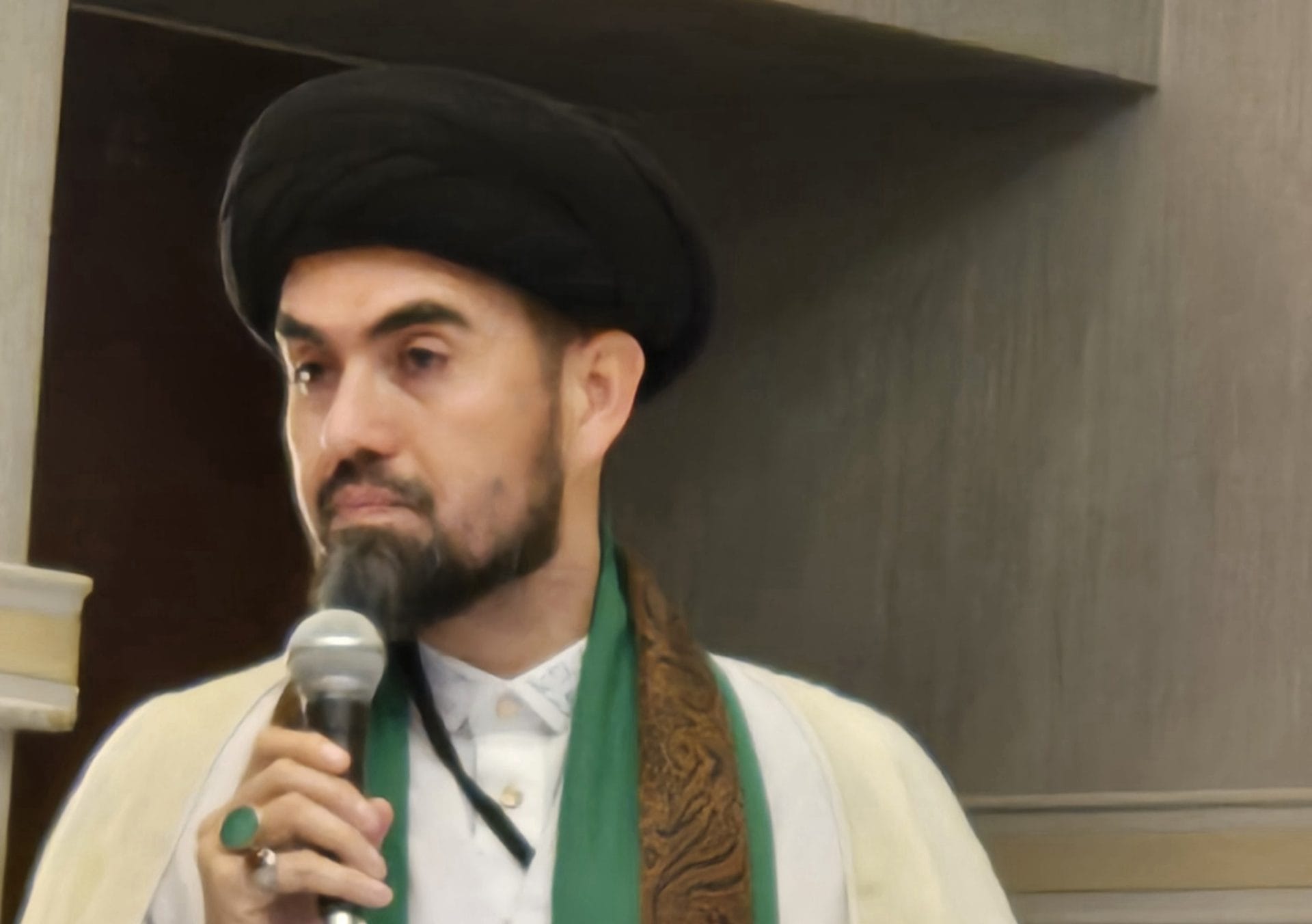
Sayed Abazar Wahidi is a California-based Islamic scholar, filmmaker, and spiritual guide known for blending Islamic tradition with modern storytelling. Originally from Afghanistan, he spent over 12 years studying Islamic theology in Qom, Iran, completing advanced Dars Kharij courses. His deep-rooted family heritage in Islamic scholarship has shaped his passion for community leadership, education, and spiritual growth.
Currently serving as the Resident Alim at the Islamic Center of Fatimiyyah in Hayward, CA, Sayed Wahedi is committed to fostering intergenerational understanding and making faith more accessible to younger generations. He holds a master’s degree in film and television writing and directing, which allows him to creatively bridge the gap between faith and modern storytelling. Through his work with Beacon of Guidance, he documents transformative spiritual journeys, such as the Arbaeen pilgrimage, showcasing the power of unity, compassion, and justice.
In this exclusive interview, he shares insights on faith, productivity, and personal growth.
What is your typical day, and how do you make it productive?
My day starts early with Fajr prayer, which sets the foundation for everything that follows. After that, I spend time studying or working on creative projects, whether it’s preparing a sermon, writing a script, or planning a community initiative. My afternoons are usually dedicated to counseling, teaching, and engaging with the community. Evenings are for family, reading, or filmmaking. Productivity for me comes from balance—balancing spirituality, knowledge, and action. I always remind myself that every moment can be an act of worship if done with the right intention.
How do you bring ideas to life?
For me, ideas begin as reflections—whether they come from a Quranic verse, a personal experience, or a story someone shares with me. I write them down and let them evolve naturally. When working on a project, I visualize it from start to finish, mapping out its purpose and impact. Then I collaborate with others who bring different perspectives. Whether it’s a lecture, a documentary, or a community initiative, the key is to take that first step, no matter how imperfect it may seem.
What’s one trend that excites you?
The rise of meaningful digital storytelling. More young people are using creative platforms like film, podcasts, and social media to explore and share their faith in authentic ways. Seeing them embrace storytelling as a tool for social change, spiritual reflection, and unity excites me because it aligns with my own journey of using film to bring Islamic narratives to life.
What is one habit that helps you be productive?
Journaling. Writing down thoughts, ideas, and reflections helps me clear my mind and stay organized. It also allows me to track personal and spiritual growth over time. I encourage others to write—even if it’s just a few lines a day—because it helps bring clarity to our goals and intentions.
What advice would you give your younger self?
Trust the process. There were times I felt uncertain about my path, but every experience—whether in Qom, California, or in the film industry—shaped who I am today. I would tell my younger self to embrace the journey, be patient with personal growth, and never underestimate the power of consistent small steps toward a bigger vision.
Tell us something you believe almost nobody agrees with you on?
That spirituality and creativity are deeply connected. Some people think faith must be rigid and formal, but I believe spirituality thrives when it is expressed creatively—through art, film, poetry, and storytelling. These forms of expression allow us to feel, reflect, and connect with faith on a personal level.
What is the one thing you repeatedly do and recommend everyone else do?
Pause and reflect. Whether it’s a few minutes after prayer or during a quiet moment in the day, taking time to reflect on our actions, intentions, and purpose keeps us grounded. It’s easy to get lost in routine, but mindful reflection helps us realign with our faith and values.
When you feel overwhelmed or unfocused, what do you do?
I turn to the Quran. Even just reciting a few verses brings me back to center. I also go for a walk, preferably in nature, because stepping away from distractions allows me to regain clarity. When overwhelmed, I remind myself that even the smallest act of worship can be a reset.
What is one strategy that has helped you grow your business or advance in your career?
Being adaptable. Whether in spiritual leadership or filmmaking, the ability to evolve while staying true to core values is essential. When engaging with the community, I listen to their needs and adjust my approach accordingly. In filmmaking, I embrace new storytelling techniques while keeping the message authentic.
What is one failure in your career, how did you overcome it, and what lessons did you take away from it?
Early in my career, I struggled with balancing tradition and modern storytelling. Some people were resistant to integrating film with faith-based teaching. I overcame it by being patient, continuing to create meaningful work, and showing rather than telling the impact of visual storytelling. The lesson? Stay committed to your vision, even if it’s not immediately understood.
What is one business idea you’re willing to give away to our readers?
An interactive digital Quranic storytelling platform. Imagine a website or app that combines historical Islamic stories with short films, animations, and discussion forums. It would engage youth and make Quranic teachings more accessible in the digital age.
What is one piece of software that helps you be productive? How do you use it?
Notion. I use it to organize my thoughts, structure sermon outlines, plan filmmaking projects, and track my personal growth. It keeps everything in one place and allows for flexible creativity.
Do you have a favorite book or podcast you’ve gotten a ton of value from and why?
Reclaiming the narrative by Ayatullah Khamenei. It focuses on revisiting the Quran to under the purpose of faith and how it changes our lives. It teaches us how to see the world around us from the lens of the Quran.
What’s a movie or series you recently enjoyed and why?
I recently watched The Message again. Even though it was made decades ago, it remains a masterpiece in depicting the early days of Islam. It’s a reminder that faith-based storytelling, when done well, can leave a lasting impact across generations.
Key learnings
- Faith and creativity are deeply connected – storytelling, filmmaking, and digital platforms can make Islamic teachings more engaging and accessible.
- Adaptability and patience are crucial for success – staying committed to your vision, even when others don’t immediately understand it, leads to meaningful impact.
- Small daily habits like journaling, reflection, and mindful prayer help maintain spiritual and professional growth.