
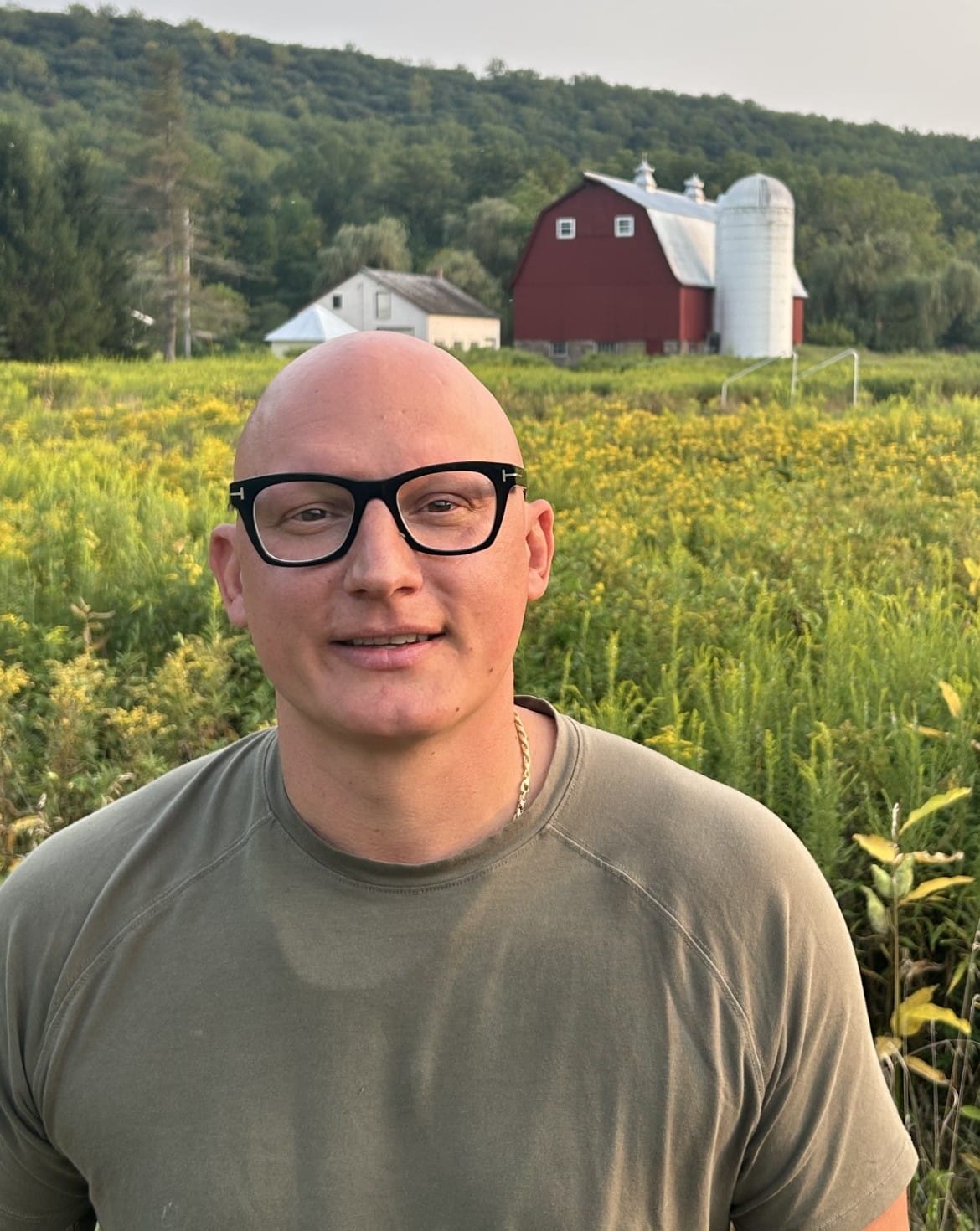
Based in Red Bank, New Jersey, experienced sales leader Sean Battoni has worked extensively with breakthrough medical technologies. He joined medical technology company Hologic in 2024 as a specialty surgery territory manager, a role that involves complete oversight of the regional sales pipeline. Sean Battoni’s responsibilities include meeting sales objectives via new accounts and cultivating existing accounts.
In addition to assessing the company’s sales pipeline and driving sales activities to meet monthly and annual quotas, Mr. Battoni serves as a Bolder Surgical representative at various trade shows and industry meetings. Between 2022 and 2024, he held the position of territory manager with medical device company Applied Medical in New Brunswick.
Sean Battoni graduated from Rutgers College as a business and economics student. As a Division I NCAA athlete at Rutgers, he competed on the varsity lacrosse team and earned All-Star honors. Mr. Battoni’s interests outside of medical technology sales include coaching sports, working out, and fishing.
What is your typical day, and how do you make it productive?
A typical day starts early, often with a workout or run to clear my head and set the tone for the day. In medical sales, my schedule is built around meetings with surgeons, hospital staff, and patients, so I prioritize preparation. I review each surgeon’s cases, anticipate potential needs, and prepare value-driven discussions. Throughout the day, I log notes immediately after each meeting, so nothing is lost in translation. I also carve out time for reflection—asking what went well, what could improve, and how I can better serve. Productivity for me isn’t just about checking boxes; it’s about making meaningful connections that move people forward.
How do you bring ideas to life?
I start by breaking down the idea into its simplest form of what problem is it solving and who benefits. From there, I map out small, actionable steps and test them in real-world scenarios. In sales, that could mean piloting a new approach with one surgeon or creating a resource for patients before scaling it. I believe in pressure-testing ideas by asking for feedback early, even if it’s uncomfortable, because iteration brings clarity.
What’s one trend that excites you?
The integration of technology with healthcare, especially wearable devices and AI-driven diagnostics, really excites me. The idea that a watch or sensor can detect early health risks or optimize recovery after surgery has the potential to save lives and empower patients. For someone who thrives on bridging innovation with patient outcomes, seeing this convergence feels like the future of medicine becoming more personal and proactive.
What is one habit that helps you be productive?
Exercise. Moving my body daily sharpens my mind, builds discipline, and resets my stress levels. Even on the busiest days, I find 20 to 30 minutes for movement. It’s less about the workout itself and more about the ritual of showing up for myself, as it translates directly into how I show up for others.
What advice would you give your younger self?
I would tell my younger self that progress doesn’t always look like a straight line, and setbacks don’t define worth. Don’t measure yourself solely against peers or outcomes; instead, focus on consistent effort and learning. Also, relationships, both personal and professional, are the currency that truly matters. Invest in them early.
Tell us something you believe almost nobody agrees with you on?
I believe failure is actually one of the best filters for purpose. Most people see it as something to avoid, but I see it as the universe removing what wasn’t meant for you. When handled correctly, failure trims distractions and makes your direction clearer.
What is the one thing you repeatedly do and recommend everyone else do?
Practice gratitude daily. For me, it could be journaling three things I’m thankful for or simply pausing during the day to acknowledge something positive. Gratitude rewires how you approach challenges, as it keeps perspective balanced and fuels resilience.
When you feel overwhelmed or unfocused, what do you do?
I step outside, even briefly, to reset my environment. Hiking taught me the power of nature in recalibrating mindset. Sometimes I’ll pair that with music, which helps me process emotions and regain focus. By changing my physical state, I give my mind the room to reset and reengage.
What is one strategy that has helped you grow your business or advance in your career?
Active listening. In medical sales, the instinct is to talk, present, or persuade. I found growth came when I shifted to listening more deeply and hearing not just what doctors said, but also what they didn’t. By identifying unspoken needs or frustrations, I could position solutions more meaningfully. That led to stronger relationships and better outcomes.
What is one failure in your career, how did you overcome it, and what lessons did you take away from it?
Early in my career, I lost a key account because I was too focused on the product and not enough on the people using it. I assumed features alone would convince them. Losing that account was humbling, but it taught me that relationships always come before product. Since then, I’ve prioritized building trust first, which ironically makes product adoption much smoother.
What is one business idea you’re willing to give away to our readers?
A mobile platform that pairs discharged hospital patients with local “care concierges”—certified professionals who help them navigate recovery, appointments, prescriptions, and transportation. Hospitals are overwhelmed, and patients often fall through the cracks post-discharge. This service would reduce readmission rates, improve outcomes, and be billable through insurance.
What is one piece of software that helps you be productive? How do you use it?
I rely heavily on CRM (customer relationship management) tools. I use it not just for tracking numbers but for creating a personal playbook—logging surgeon preferences, case notes, and follow-ups. It turns chaotic schedules into structured, repeatable systems that keep me prepared and proactive.
Do you have a favorite book or podcast you’ve gotten a ton of value from and why?
Book: Can’t Hurt Me by David Goggins. It resonates because it blends discipline, resilience, and purpose in a raw, unapologetic way. It reminds me of my lacrosse background—pushing limits physically and mentally to grow.
Podcast: The Ed Mylett Show. I value the diversity of guests, from business leaders to athletes, and the consistent theme of peak performance and personal growth.
What’s a movie or series you recently enjoyed and why?
I recently enjoyed Quarterback on Netflix. It dives into the mental and physical grind of elite athletes, but what stood out to me was the human side—the family balance, the sacrifices, and the leadership under pressure. It mirrors the challenges of high-performance careers outside of sports.
Key learnings
- Productivity is built on preparation, consistent habits, and prioritizing relationships over tasks.
- Failure, when reframed, is a powerful guidepost that clarifies direction and purpose.
- Active listening and gratitude are undervalued skills that can transform both career and personal life.
- Technology and human connection together drive meaningful innovation in healthcare.
- Simple investments in personal well-being like exercise, gratitude, or time outdoor create compounding returns in professional performance.