
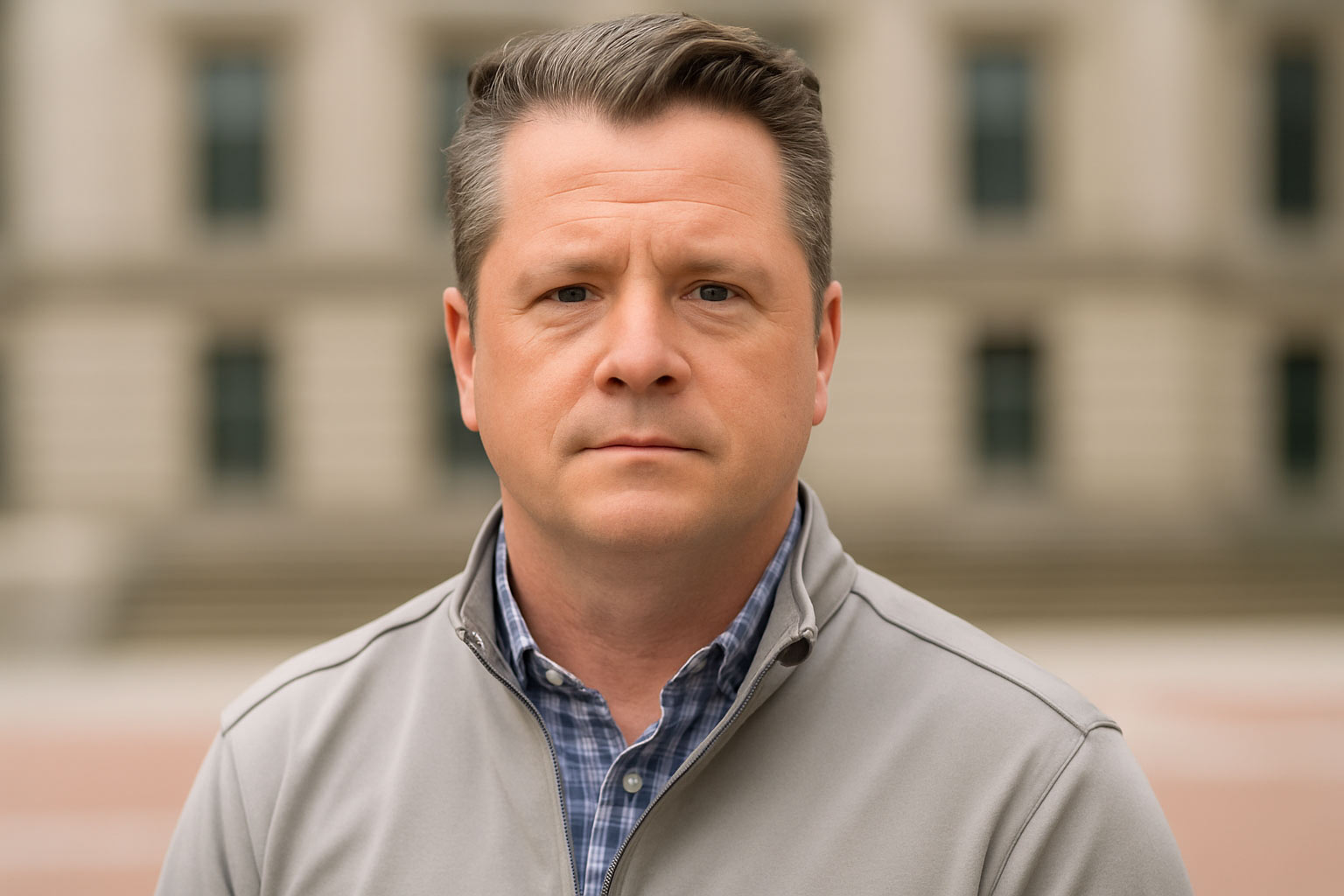
Shane Kinahan didn’t always dream of Wall Street. But he was always drawn to systems — to numbers, to patterns, to the quiet logic behind how things work. After earning his degree, he moved to New York and joined Goldman Sachs, where he quickly proved himself in the high-stakes world of structured finance.
During his time there, Shane rose through the ranks. He became known for staying calm under pressure and turning complex financial models into real, workable strategies. “Markets don’t reward intentions,” he often says. “They reward preparation.”
Eventually, Shane traded the scale of a big institution for something more agile. He joined Lake Avenue Capital in Stamford, Connecticut, where he now serves as Principal and Investment Manager. There, he focuses on alternative investments and class action claims — areas where smart strategy and timing matter most.
He brings precision to every decision, but also patience and purpose. “If you can’t explain an investment in one paragraph,” he tells young analysts, “you probably don’t understand it.”
Outside the office, Shane finds balance on the ice and golf course, where discipline and adaptability meet again. He mentors early-career professionals and supports youth-focused charities in his community.
For Shane, investing isn’t just about numbers. It’s about creating clarity, building trust, and doing work that truly lasts.
What is your typical day, and how do you make it productive?
I try to start early — not always at my desk, but mentally. I usually spend the first part of the day reading. It could be overnight markets, macro reports, or something long-form. That reading helps me stay out of the “reaction trap.” The rest of the day is structured around key blocks: one for analysis, one for execution, and one for review. I avoid overbooking — I’ve found that space between meetings leads to better thinking.
How do you bring ideas to life?
First, I break the idea down into risks and assumptions. I need to understand what has to go right, and what can go wrong. Then I try to explain it to someone who’s not in finance. If I can’t do that clearly, I’m probably not ready to execute. The final step is pressure-testing — running it past someone I trust who’ll challenge the weak points.
What’s one trend that excites you?
The rise of litigation finance and class action recovery platforms. It’s an area that most traditional investors ignore, but there’s real potential if you’re patient and thorough. It sits at the intersection of law, finance, and data — and that’s exactly where inefficiencies live.
What is one habit that helps you be productive?
I do a weekly review every Friday. It’s low-tech — just a notebook. I ask three questions: What moved the needle? What wasted time? And what should I delegate or rethink? That hour each week pays off more than any single meeting.
What advice would you give your younger self?
Don’t mistake pace for progress. I used to think being constantly in motion meant I was getting ahead. But over time, I’ve learned the importance of stillness — of stepping back and questioning assumptions before making the next move.
Tell us something you believe almost nobody agrees with you on?
That most pitch decks should be one page. If you can’t make the case clearly and briefly, it’s probably not investable. Complexity should be in the analysis, not the pitch.
What is the one thing you repeatedly do and recommend everyone else do?
I try to model investments backward. Instead of asking, “What could this become?”, I ask, “If this fails, what caused it?” That reversal uncovers risk much faster.
When you feel overwhelmed or unfocused, what do you do?
I walk. I leave my phone behind and head out — sometimes it’s 10 minutes, sometimes 30. It resets my brain and often brings unexpected clarity. I’ve come back from walks with better solutions than I got from hours of spreadsheet modeling.
What is one strategy that has helped you grow your business or advance in your career?
Taking the time to truly understand the mechanics behind alternative investments. At Lake Avenue, that’s been crucial — whether it’s class action claims or asset-backed structures, success lies in the details. I’ve also tried to listen more than speak, especially in rooms where I’m not the expert.
What is one failure in your career, how did you overcome it, and what lessons did you take away from it?
Early on, I misjudged a client relationship. I over-indexed on product and under-indexed on communication. We delivered returns, but the relationship frayed. I learned that managing expectations is just as important as managing assets. Since then, I’ve built systems around transparency — frequent check-ins, clear documentation, and never assuming silence means alignment.
What is one business idea you’re willing to give away to our readers?
A streamlined recovery platform for class action claims tied to ESG violations. Many investors don’t realize how much is left on the table due to poor claim tracking. A clean, user-friendly tool could create both financial and social value.
What is one piece of software that helps you be productive? How do you use it?
I use Obsidian for knowledge management. It lets me create linked notes across investment ideas, case law, and personal observations. I treat it like a second brain. It’s where I do my clearest thinking.
Do you have a favorite book or podcast you’ve gotten a ton of value from and why?
I revisit Thinking in Bets by Annie Duke regularly. It’s a great reminder that good decisions aren’t always about outcomes. It teaches you to separate process from result — essential in both investing and leadership.
What’s a movie or series you recently enjoyed and why?
Slow Horses on Apple TV. It’s about a group of overlooked intelligence agents, and I love the balance of strategy, timing, and the quiet tension that runs through it. It reminds me that not all wins come from center stage.
Key learnings
- Structured reflection, especially weekly reviews, drives smarter decision-making.
- In complex markets, simplicity of communication is a competitive advantage.
- Asking “what could go wrong?” before investing uncovers blind spots early.
- Career growth often comes not from knowing everything, but from listening well.
- A disciplined process trumps speed when navigating imperfect or alternative investments.