
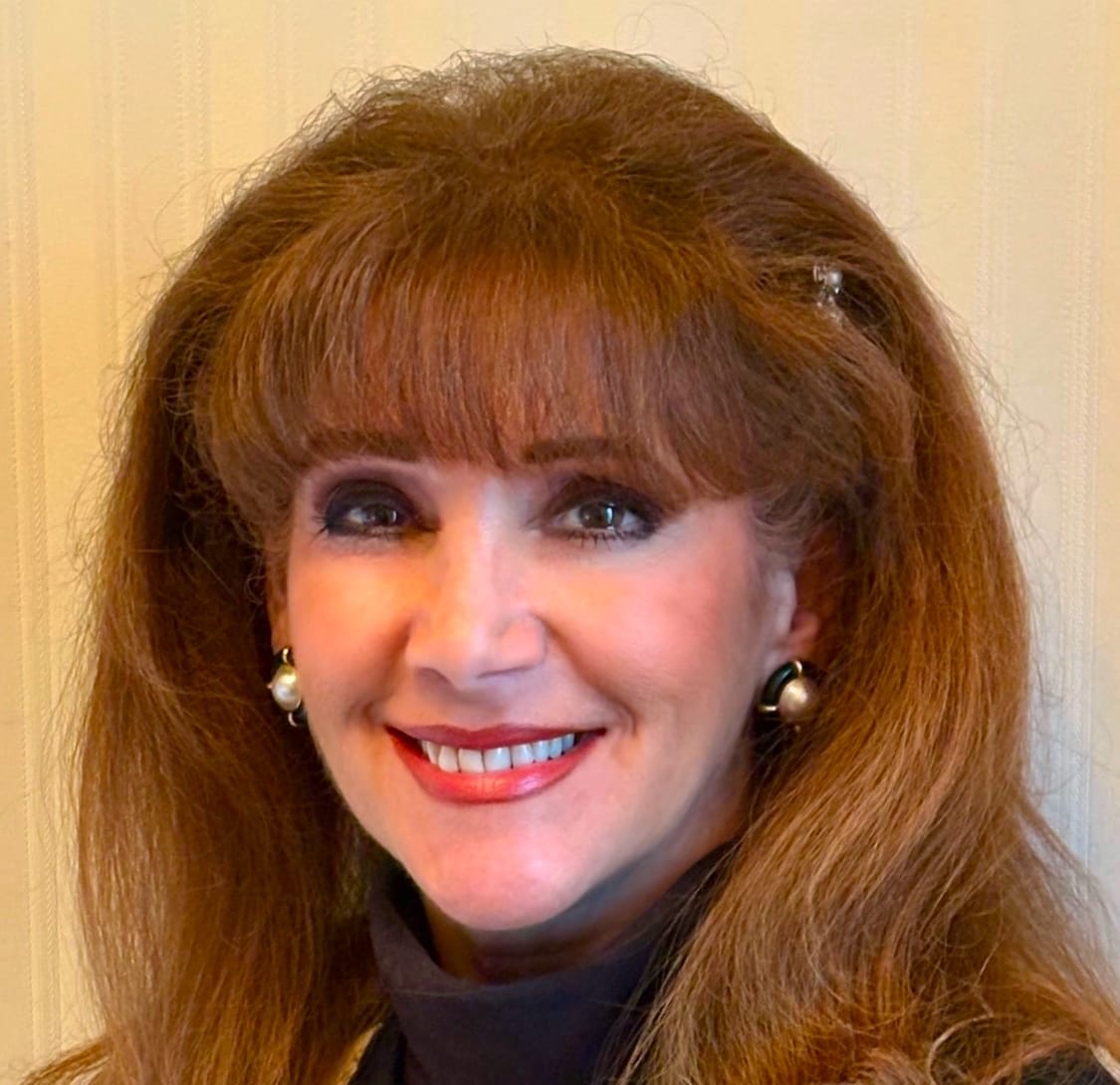
Located in Chappaqua, New York, Shirley Azoulai, LCSW is an experienced psychotherapist and Licensed Clinical Social Worker leading Life Quest Pursuits Counseling. She provides personalized, compassionate care to families, couples, children, and individuals, both in-person at her conveniently located practice and virtually. Shirley utilizes evidence-based approaches such as Person-Centered Therapy, Family Systems Therapy, PTSD and Grief Counseling, Dialectical Behavioral Therapy (DBT) and Cognitive Behavioral Therapy (CBT) to name a few, to support her clients’ mental health needs.
Shirley’s areas of expertise include psycho-education, where she teaches practical and effective coping strategies for managing stress, depression, social anxiety, and more. She is dedicated to fostering client confidence and self-esteem by integrating relaxation techniques and enhancing communication within family dynamics and partnerships. Shirley also specializes in self-empowerment strategies and has extensive experience addressing LGBTQ+ issues.
A summa cum laude graduate from The Columbia University School of Social Work, and Columbia College, Shirley earned her MS and her BA with distinction and honors. During her time at Columbia, she was honored as Intern of the Year at her placement. In addition to her professional work, Shirley is a dedicated fiction writer and skilled crafter. She enjoys spending time with her pets, and is an advocate for pet assisted therapy.
What is your typical day, and how do you make it productive?
A typical day involves working closely with clients through both in-person and virtual therapy sessions. In addition to providing direct care, I dedicate time to researching treatment approaches, collaborating with other healthcare professionals when necessary, and ensuring thorough documentation of sessions. My day also includes following up with clients to support their progress outside of sessions. Beyond my professional commitments, I prioritize family time—both with my immediate and extended family—as well as physical fitness, recognizing its vital role in mental well-being. Maintaining this balance allows me to be fully present and engaged in all aspects of my work.
How do you bring ideas to life?
As a psychotherapist, I believe that innovation in therapy stems from a combination of research and creativity. I stay informed about the latest evidence-based practices, such as cognitive-behavioral therapy (CBT), dialectical behavior therapy (DBT), and mindfulness-based interventions. By integrating research with clinical experience, I tailor treatment plans to fit each client’s unique needs, ensuring that new approaches are both effective and responsibly implemented.
What’s one trend that excites you?
The increasing emphasis on inclusivity in mental health care is incredibly encouraging. More than ever, we are recognizing the importance of providing culturally-competent, accessible, and affirming therapy. The expansion of virtual therapy has also allowed more individuals—especially those in underserved areas—to access the care they need.
What is one habit that helps you be productive?
I focus on the uniqueness of each individual and apply that principle to achieving the most effective therapeutic outcomes. By recognizing that no single approach works for everyone, I remain adaptable and responsive to my clients’ evolving needs. This mindset helps me stay engaged, intentional, and productive in my work.
What advice would you give your younger self?
I would tell my younger self to have more confidence in her abilities. When you believe in your skills and knowledge, you can create meaningful change—both in your own life and in the lives of others.
Tell us something you believe almost nobody agrees with you on?
I truly believe that most people want to be kind and are capable of approaching challenges positively when given the tools to do so. In therapy, I’ve seen how understanding and guidance can transform perspectives, proving that people often just need the right support to bring out their best selves.
What is the one thing you repeatedly do and recommend everyone else do?
I always lead with kindness. Kindness fosters connection, trust, and resilience—both personally and professionally. I encourage others to recognize that small acts of kindness can create profound ripple effects.
When you feel overwhelmed or unfocused, what do you do?
I practice the very techniques I teach my clients, including mindfulness exercises and grounding strategies. Techniques such as deep breathing, progressive muscle relaxation, and guided visualization help restore focus and emotional balance. Staying present in the moment allows me to reset and reengage with clarity.
What is one strategy that has helped you grow your business or advance in your career?
Leveraging modern technology and optimizing my online presence has played a key role in expanding my practice. Utilizing search engine optimization (SEO) ensures that individuals seeking therapy can easily find my services. Additionally, telehealth platforms have allowed me to reach a broader range of clients, making therapy more convenient and accessible.
What is one failure in your career, how did you overcome it, and what lessons did you take away from it?
Earlier in my career, I found it challenging to set and enforce firm boundaries. As a therapist, it’s natural to want to help as much as possible, but maintaining professional boundaries is essential for both the client’s and the therapist’s well-being. I’ve learned that being clear and direct about boundaries ultimately strengthens therapeutic relationships and fosters healthier interactions.
What is one piece of software that helps you be productive? How do you use it?
I use Doxy.me, a HIPAA-compliant telehealth platform that facilitates secure virtual therapy sessions. The platform ensures privacy, accessibility, and ease of use for both clients and practitioners.
Do you have a favorite book or podcast you’ve gotten a ton of value from and why?
I greatly appreciate The Midnight Library by Matt Haig. This novel explores the concept of regret, alternate life paths, and the human tendency to wonder “what if?” It sheds light on mental health, suicidal ideation, and the realization that different choices don’t always lead to a better life. The story reinforces the importance of self-acceptance and finding value in the present.
What’s a movie or series you recently enjoyed and why?
I have particularly enjoyed PBS’s series All Creatures Great and Small. The show beautifully portrays life in rural England before, during, and after WWII, following the personal and professional lives of veterinarians. It highlights themes of resilience, human connection, and the profound role animals play in our lives. The storytelling consistently leaves me with a sense of hope, which is invaluable in both life and therapy.
Key learnings
- Mindful and meaningful living is essential. Balancing personal and professional responsibilities leads to a fulfilling life.
- Establishing strong relationships and trust is key to success. Whether in therapy or business, meaningful connections drive growth and healing.
- Kindness is a powerful force. Small acts of compassion can create lasting positive change.
- Boundaries are crucial. Clear and healthy boundaries benefit both personal and professional relationships.
- Hope and growth are always possible. Change may be challenging, but it brings opportunities for transformation and self-discovery.