
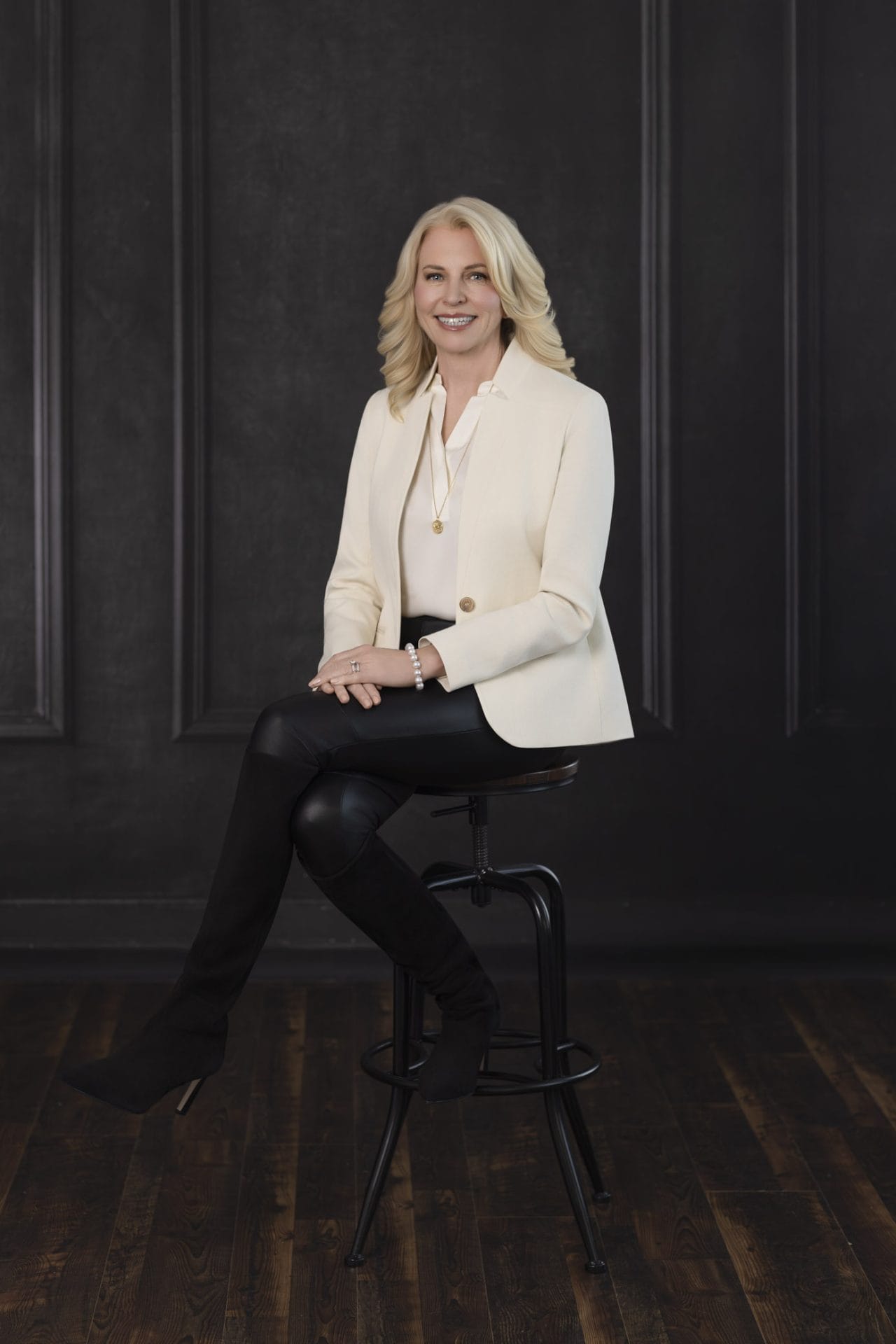
Stephanie Shobe is a writer, observer, and purposeful creative who explores how we can live with greater discernment, depth, and intention. Drawing on her expertise in psychology and education, her earlier work focused on supporting at-risk communities and shaping systems with clarity, care, and purpose. Before turning her focus to writing and intentional living, she spent decades studying what helps people flourish-from early childhood to complex family systems. Her work evolved toward supporting at-risk populations, and later expanded into leadership roles where practical thinking, intelligent design and real-world contribution naturally aligned.
Today, Stephanie draws on that foundation not as a credential, but as a lens. She writes to spark insight and ask better questions-about how we nourish ourselves, how we create meaningful spaces, and how we show up in a world that often encourages disconnection. Her blog is rooted in the idea that beauty isn’t just what we see-it’s what we cultivate: in our relationships, our rituals, our homes, and our choices.
Stephanie splits her time between Virginia, Colorado, and California, alongside her husband and two beloved Wheaten Terriers, Baxter and Maisie Mae. Stephanie’s love of design is guided by the understanding that our surroundings shape how we feel, think, and connect. She approaches interiors the way she approaches cooking and daily rituals—with a desire to elevate the everyday through beauty, function, and meaning. Her home was featured in Forbes and Modern in Denver for a design style that merges modern elegance with soulful, intentional living—spaces that are as welcoming as they are refined.
Stephanie’s love for cooking has led her to study at esteemed culinary schools such as the Culinary Institute of America in Napa and Le Cordon Bleu in Paris. She explores food not as profession, but as passion-a lifelong study in how nourishment can be both practical and profoundly expressive, and how everyday rituals can become acts of presence and thoughtful expression.
She approaches food as a sensory language-one of care, creativity, and connection-often pairing her meals with thoughtfully collected wines. Margaux holds a special place in her collection, reflecting the same understated depth she values in herself and her surroundings. She collects wine the way others collect stories—intentionally, and with a deep appreciation for place, time, and memory.
What is your typical day, and how do you make it productive?
My days begin quietly, with research and writing in the mornings while my husband focuses on investment work. I find a lot of joy in preparing meals, and I cook dinner each evening—not just for us, but for our two beloved Wheaten Terriers, Baxter and Maisie. Daily walks or hikes are part of our rhythm, whether it’s along the creek trail in our neighborhood or deeper into the forest. I stay productive by keeping my time aligned with what matters most: creative work, nourishing routines, and time outdoors. I’m also currently planning and organizing a year abroad for our little family—a long-held dream that’s finally beginning to take shape.
How do you bring ideas to life?
For me, creativity begins with observation—slowing down enough to notice. I like to sit with an idea, letting it unfold in layers. I naturally look for structure, rhythm, and how things function together. That’s true whether I’m writing, cooking, or designing a space. Once I have a clear vision, I move into planning and refining. I enjoy the quiet satisfaction of shaping something thoughtful and useful, down to the details. Bringing ideas to life, for me, is less about inspiration and more about alignment: Does it serve a purpose? Does it feel true? If it does, I follow it.
What’s one trend that excites you?
One trend I find exciting is the renewed interest in slower, more intentional living—especially in the way people are reconnecting with nature, food, and place. Whether it’s the rise of foraging, regenerative gardening, or people learning to cook from scratch, I love seeing a shift away from overconsumption and back toward rhythm, seasonality, and care. It’s less about nostalgia and more about sustainability and depth—living in a way that feels both grounded and awake.
What is one habit that helps you be productive?
Protecting my mornings is a habit that makes a real difference. I carve out that time for writing, reading, or research—before the distractions of the day take over. I’ve learned that clarity comes from rhythm, not urgency, so I try to structure my day around focus first, and responsiveness later. That early quiet helps me think more clearly and work more deliberately.
What advice would you give your younger self?
You don’t have to prove your worth by overextending yourself. Let clarity guide you, not urgency. Invest in what feels meaningful, even if others don’t understand it yet. Protect your solitude, trust your instincts, and know that a quieter path can still be a powerful one.
Tell us something you believe almost nobody agrees with you on?
I believe slowing down is a form of progress. In a culture that equates speed with success, I’ve found that depth, clarity, and impact often come from doing less—but with more intention. It’s not about being passive or disconnected; it’s about choosing rhythm over reaction, and trusting that presence is often more powerful than performance.
What is the one thing you repeatedly do and recommend everyone else do?
I regularly pause to realign—whether that’s stepping outside for a walk, resetting my space, or simply asking, “Is this still working for me?” It’s easy to move through life on autopilot, but small moments of reflection help me live with more clarity and less friction. I recommend creating space—mentally and physically—to check in with yourself and adjust as needed. It keeps your days meaningful instead of just full.
When you feel overwhelmed or unfocused, what do you do?
I step away and return to something simple and grounding—usually a walk outside, cooking, or tending to something quiet at home. I’ve learned that clarity often comes when I stop trying to force it. Shifting my attention to something physical and purposeful helps reset my perspective and bring me back to center.
What is one strategy that has helped you grow your business or advance in your career?
Staying aligned with my values—especially when it would have been easier not to—has shaped every meaningful step forward. Early in my career, I focused on creating environments where people felt supported and seen, even when resources were limited. That clarity became a throughline, guiding how I lead, collaborate, and create today. I’ve found that alignment builds trust, consistency, and quiet momentum. It’s not always flashy, but it lasts.
What is one failure in your career, how did you overcome it, and what lessons did you take away from it?
Early in my career, I accepted a leadership role where the structure didn’t support the values I was hired to uphold. I stayed too long trying to fix something that wasn’t mine to fix. It taught me that clarity isn’t just about vision—it’s also about boundaries. Since then, I’ve learned to pay close attention to alignment: between mission and method, words and actions. Walking away isn’t always a failure—it’s sometimes the first step toward something better.
What is one business idea you’re willing to give away to our readers?
Start a beautifully simple newsletter or micro-publication that highlights independent makers, growers, and animal-friendly brands—especially those in rural or overlooked regions. Think of it as a quiet spotlight. Not reviews, not influencers, just thoughtful curation with a focus on craftsmanship, sustainability, and integrity. It’s low-cost to launch, easy to scale, and serves both the makers and the readers seeking alternatives to mass-produced everything.
What is one piece of software that helps you be productive? How do you use it?
I rely on the Notes app on my phone and computer. It’s simple, always with me, and easy to organize. I use it to jot down ideas, save quotes, plan meals, and make daily lists. It’s nothing fancy, but it keeps me focused, and it helps me move through the day with more intention.
Do you have a favorite book or podcast you’ve gotten a ton of value from and why?
One book that’s stayed with me over the years is The Art of Happiness by the Dalai Lama. It’s rooted in compassion, but what I appreciate most is how practical and grounded it is. The insights around emotional balance, presence, and perspective have helped me not only personally, but in how I relate to others and move through the world. It’s a book I return to when I want to reset or realign with what really matters.
What’s a movie or series you recently enjoyed and why?
I always come back to Practical Magic. There’s something timeless about it—the way it weaves together themes of sisterhood, intuition, nature, and quiet resilience. It’s visually beautiful, but also emotionally grounding. I love how it holds space for magic without losing sight of real-life complexity. It’s the kind of film that reminds me why atmosphere, place, and emotional truth matter so much in storytelling—and in life.
Key learnings
- Intentional living doesn’t require dramatic change—just thoughtful alignment. Creating structure around time, space, and energy helps foster clarity and calm.
- Slowing down is not a retreat, but a strategic way to deepen presence and creativity. Pausing to reflect, reset, or reconnect with nature can restore both focus and direction.
- Design, food, and ritual are powerful tools for connection. When approached with care and meaning, the everyday can become a source of beauty and belonging.
- Systems thinking brings elegance to complexity. Whether through writing, cooking, or planning, approaching life with a sense of rhythm and interconnectedness fosters both productivity and purpose.