
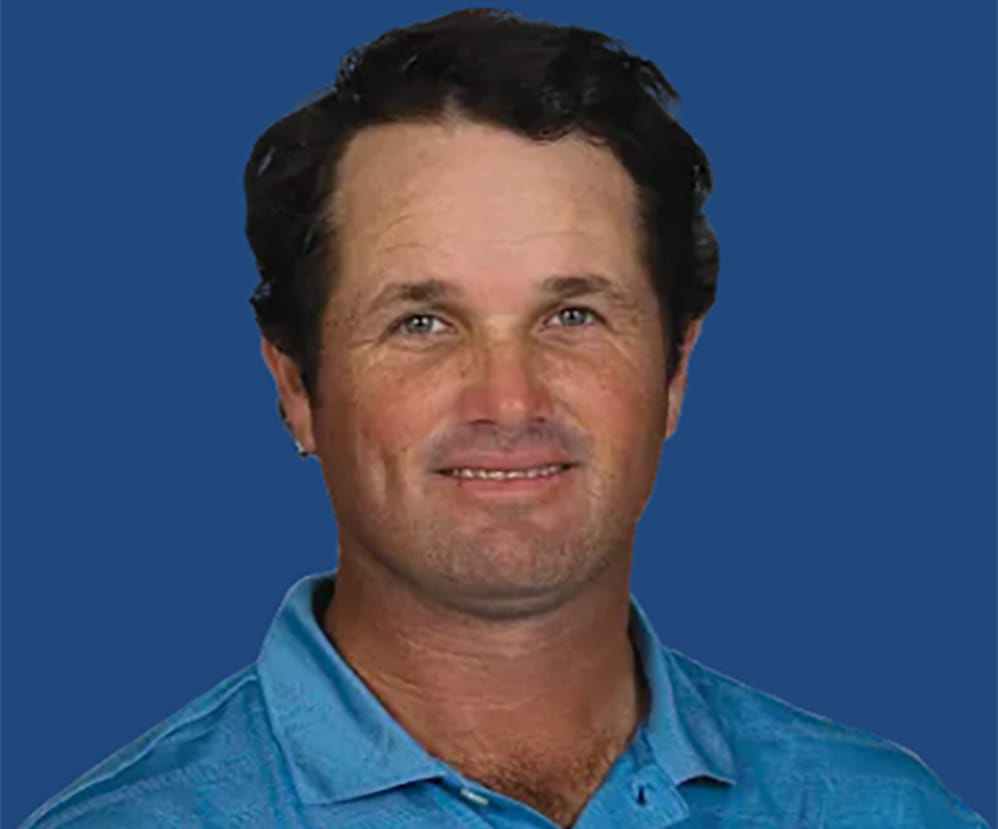
Stuart Deane grew up in Brisbane, Australia, where sports and discipline shaped much of his early life. At Redeemer Lutheran College, he balanced schoolwork with long hours of training, and by the time he graduated in 1988, he had represented Queensland in both athletics and golf. Competing at that level taught him lessons about focus, patience, and persistence—lessons that would stay with him far beyond the playing field.
After school, Stuart’s journey took him in a new direction: real estate. What started as a career choice eventually grew into a calling. Over the years, he built his own brokerage, TDT Realtors, where he now works as both owner and active realtor. For Stuart, running a business has never been just about numbers or transactions. It has always been about people—listening carefully, paying attention to what really matters, and helping clients find a place that feels like home.
He approaches each day with the same rhythm he learned as an athlete. Mornings are for focus, where he writes down three priorities before the world gets noisy. He works in short, concentrated bursts, then steps away to reset. And when stress builds, he turns back to something familiar: swinging a golf club, finding clarity in repetition.
Stuart’s story is one of steady growth, rooted in consistency and care. From the tracks and courses of Queensland to the neighborhoods he now serves, his path shows how small daily habits can shape a meaningful life.
What is your typical day, and how do you make it productive?
I start my day before sunrise. It’s a habit I picked up from athletics training in my teens. I like to walk the neighborhood with a coffee and let my thoughts settle before the phone starts buzzing. Each morning, I write down three things that must get done. They’re not always the biggest tasks, but they’re the ones that move things forward. If I cross those off, I count the day a success.
How do you bring ideas to life?
I don’t believe in waiting for a “perfect” plan. When I was younger, I once mapped out a new open house format on the back of a receipt during lunch. I tested it that same weekend and it worked better than expected. I’ve kept that approach—try the idea quickly, refine it as you go.
What’s one trend that excites you?
I’m excited by the way neighborhoods are being understood beyond property values. Data now captures things like foot traffic, cycling paths, or where families gather. Back when I competed in golf, I studied the smallest details of a course—wind patterns, slopes, shadows. That same mindset now applies to understanding the life of a street, not just its price tag.
What is one habit that helps you be productive?
Short bursts of work. In athletics, training sessions were never endless; they were sharp and focused. I treat my day the same way—90 minutes of work, then a short reset.
What advice would you give your younger self?
Don’t rush. At 18, representing Queensland felt like the world hinged on every race or round of golf. I’d tell myself to enjoy the training as much as the competition. The same advice applies to business—it’s the daily process, not the milestone, that builds character.
Tell us something you believe almost nobody agrees with you on?
I think golf is a team sport. People see it as an individual game, but the best rounds I ever played came with good people beside me—coaches, friends, even rivals pushing me to do better. Business feels the same way.
What is the one thing you repeatedly do and recommend everyone else do?
I write things by hand. A notepad on my desk holds more clarity than any app. Writing slows the mind just enough to make thoughts stick.
When you feel overwhelmed or unfocused, what do you do?
I go hit golf balls. There’s something about the rhythm of the swing and the sound of the strike that clears my head. Ten or fifteen minutes is often enough to reset.
What is one strategy that has helped you grow your business or advance in your career?
Listening more than talking. I once had a client who spent most of a meeting talking about his dog. That conversation showed me what mattered wasn’t the kitchen or the location—it was a yard. I’ve learned to give space for people to share their true priorities.
What is one failure in your career, how did you overcome it, and what lessons did you take away from it?
I once expanded my team too quickly. I hired more agents than I could personally mentor, and the quality of service dipped. I scaled back, invested time in training, and grew more deliberately after that. It taught me that growth has to move at the speed of leadership, not ambition.
What is one business idea you’re willing to give away to our readers?
An app that pairs jogging routes with real-time property insights. Imagine finishing a run and knowing which homes sold, which are listed, and what’s changing in the area.
What is one piece of software that helps you be productive? How do you use it?
Evernote. I use it as a catch-all—snapping photos at properties, recording quick voice memos after open houses, and filing notes that I can pull up anywhere.
Do you have a favorite book or podcast you’ve gotten a ton of value from and why?
The Inner Game of Tennis. It’s not about tennis, really—it’s about how self-talk and focus shape performance. I’ve applied it in golf, in real estate, and in daily routines.
What’s a movie or series you recently enjoyed and why?
The Queen’s Gambit. It showed how much creativity and discipline overlap. That balance reminded me of walking the line between athletic training and business planning.
Key learnings
- Productivity improves by setting just three clear priorities each morning and working in short, focused bursts.
- Growth must be paced with leadership capacity; scaling too quickly can erode quality.
- Deep listening often reveals hidden priorities that guide more meaningful decisions.