
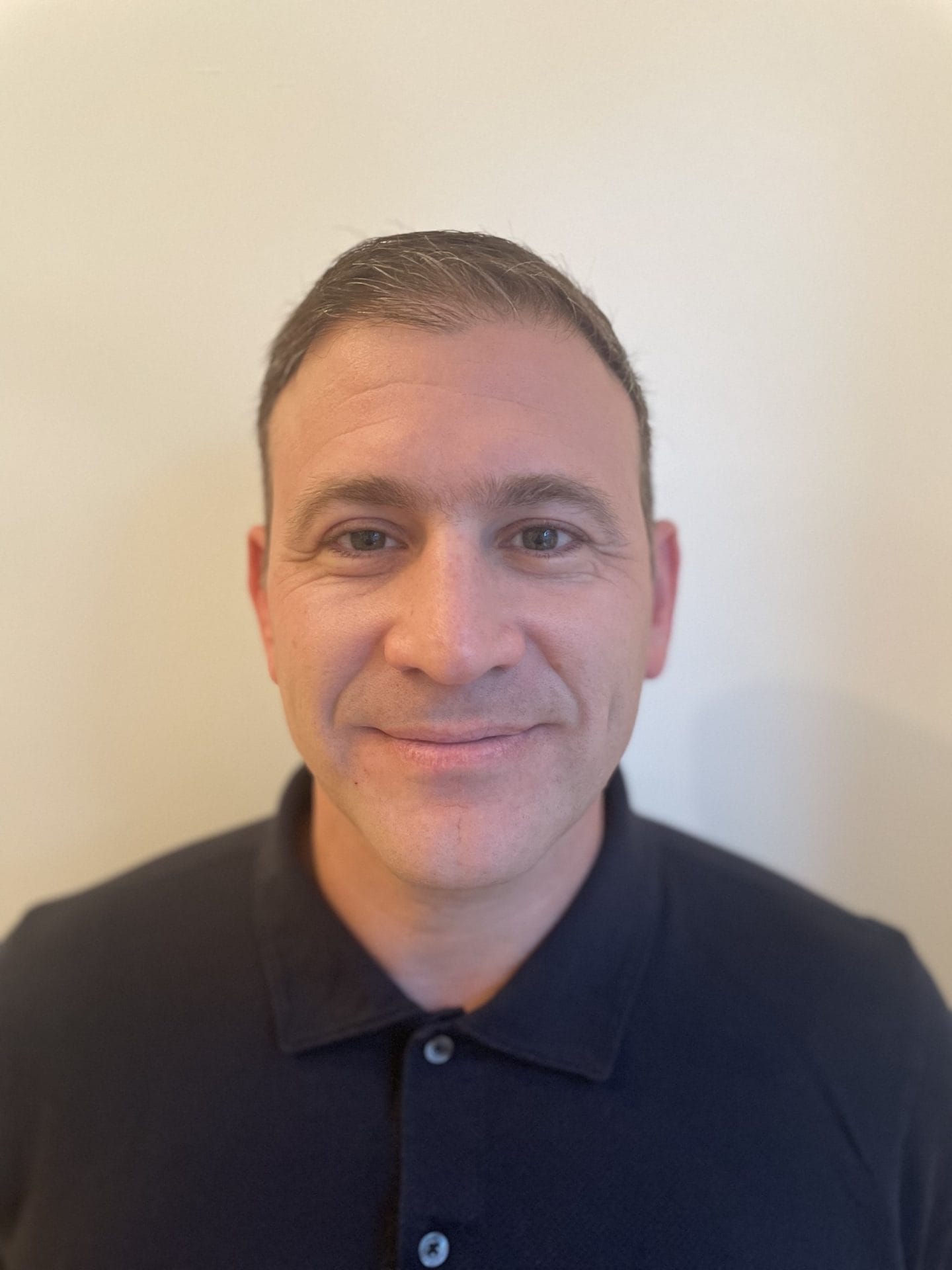
Possessing extensive experience in distributed systems and platform infrastructure, Taylor Leese served as Sr. Director, Grid Storage and Streams, with LinkedIn. Based in San Francisco, he managed their blob and data lake storage, Kafka and Northguard messaging systems, and a set of data storage primitives that includes shard and quota management. Taylor Leese is also involved in venture capital and private equity investment as a founder and partner with Milos Ventures, and as a limited partner with Irregular Expressions.
Mr. Leese’s professional background includes an engineering manager role with StackMob. He guided the backend engineering team, which was responsible for delivering services that enabled mobile developers to seamlessly build, deploy, and expand applications. He successfully managed the engineering team’s integration when PayPal acquired the company.
Mr. Leese has also served as a computer scientist at Lawrence Livermore National Laboratory, where he wrote software responsible for the physical security systems responsible for protecting America’s stockpile of nuclear weapons at various Department of Energy (DOE) and Department of Defense (DoD) facilities. He earned his bachelor’s degree in computer science at the University of San Francisco and an MS in computer science at the University of Chicago.
What is your typical day, and how do you make it productive?
My day starts with coffee and taking my son to school—sometimes my daughter as well. Once I’m back, I jump into work, where I spend about 75% of my time in meetings, focusing on leadership, strategy, and execution. Outside of work, I prioritize fitness, playing tennis twice a week, and being a soccer and basketball dad for my son and a tennis dad for my daughter. To stay productive, I rely on structured prioritization—focusing on high-impact work and ensuring that I make progress on key initiatives every day.
How do you bring ideas to life?
I believe great ideas don’t happen in isolation. I regularly bounce ideas off a close group of high school friends and ex-coworkers, as well as my brother and wife, to gain different perspectives. In professional settings, I turn ideas into action by breaking them into testable, iterative steps and ensuring alignment with business goals before scaling them up.
What’s one trend that excites you?
AI-assisted software engineering. The potential for AI to enhance developer productivity, automate repetitive tasks, and accelerate innovation is enormous. AI-driven tools are making engineering more efficient, intelligent, and scalable, and I believe we’re just scratching the surface.
What is one habit that helps you be productive?
Playing tennis regularly. It serves as a mental reset, helping me clear my mind and stay sharp throughout the day. It also reinforces discipline, strategy, and adaptability—qualities that directly translate into leadership and decision-making.
What advice would you give your younger self?
Become financially aware earlier. I would advise my younger self to:
- buy a residential four-unit duplex as a first real estate investment.
- invest in Bitcoin early and explore alternative investments.
- leverage a self-directed IRA to maximize tax-efficient wealth building.
Making strategic financial decisions earlier would have accelerated long-term financial security and optionality.
Tell us something you believe almost nobody agrees with you on?
The usefulness of a securities-backed line of credit (SBLOC). It’s an underutilized financial tool that allows you to borrow against investment accounts without triggering capital gains. Unlike a HELOC, an SBLOC doesn’t show up on a credit profile and is significantly faster to obtain, providing a flexible and tax-efficient way to leverage capital.
What is the one thing you repeatedly do and recommend everyone else do?
Stay engaged in a sport or hobby that connects you with people outside of work and family. It’s easy to get consumed by work, but maintaining social interactions and personal interests improves well-being and long-term performance.
When you feel overwhelmed or unfocused, what do you do?
I rely on a prioritized to-do list to create structure. By breaking tasks into manageable steps and focusing on what moves the needle, I regain clarity and control. If I need a deeper reset, I’ll take a tennis break or step away for physical activity to re-energize.
What is one strategy that has helped you grow your business or advance in your career?
Persistence and showing up every day. Success is built over time through consistency, execution, and focus. I’ve also learned to avoid office politics and assume good intent—staying focused on impactful work rather than distractions. These principles have helped me scale teams, drive infrastructure growth, and lead complex technical initiatives.
What is one failure in your career, how did you overcome it, and what lessons did you take away from it?
At one point, I struggled with work-life balance, pushing too hard and treating work like a sprint rather than a marathon. I overcame this by setting clearer boundaries, prioritizing personal health, and being intentional about downtime. The lesson? Sustained success comes from balance, not burnout.
What is one piece of software that helps you be productive? How do you use it?
Cursor—an AI-assisted development environment. It enhances engineering productivity by automating code suggestions, reducing cognitive load, and speeding up development cycles.
Do you have a favorite book or podcast you’ve gotten a ton of value from and why?
Book: What Would the Rockefellers Do? It explores how to build generational wealth using strategic financial principles, including how to become your own bank. It’s an eye-opening read for those looking to leverage financial systems to their advantage.
What’s a movie or series you recently enjoyed and why?
I don’t watch much TV these days, but when I do, it’s primarily the Tennis Channel. It keeps me engaged with the sport and is a great way to study strategy and mental resilience.
Key learnings
- Being persistent and showing up every day will get you further than you think.
- Staying focused on the actual work—rather than getting caught up in unnecessary distractions and office politics—helps build strong teams, scale infrastructure platforms, and navigate complex leadership challenges.
- Ultimately, success is about long-term discipline, continuous learning, and execution.
- A good work-life balance is essential for both professional efficacy and productivity and personal health and well-being.