
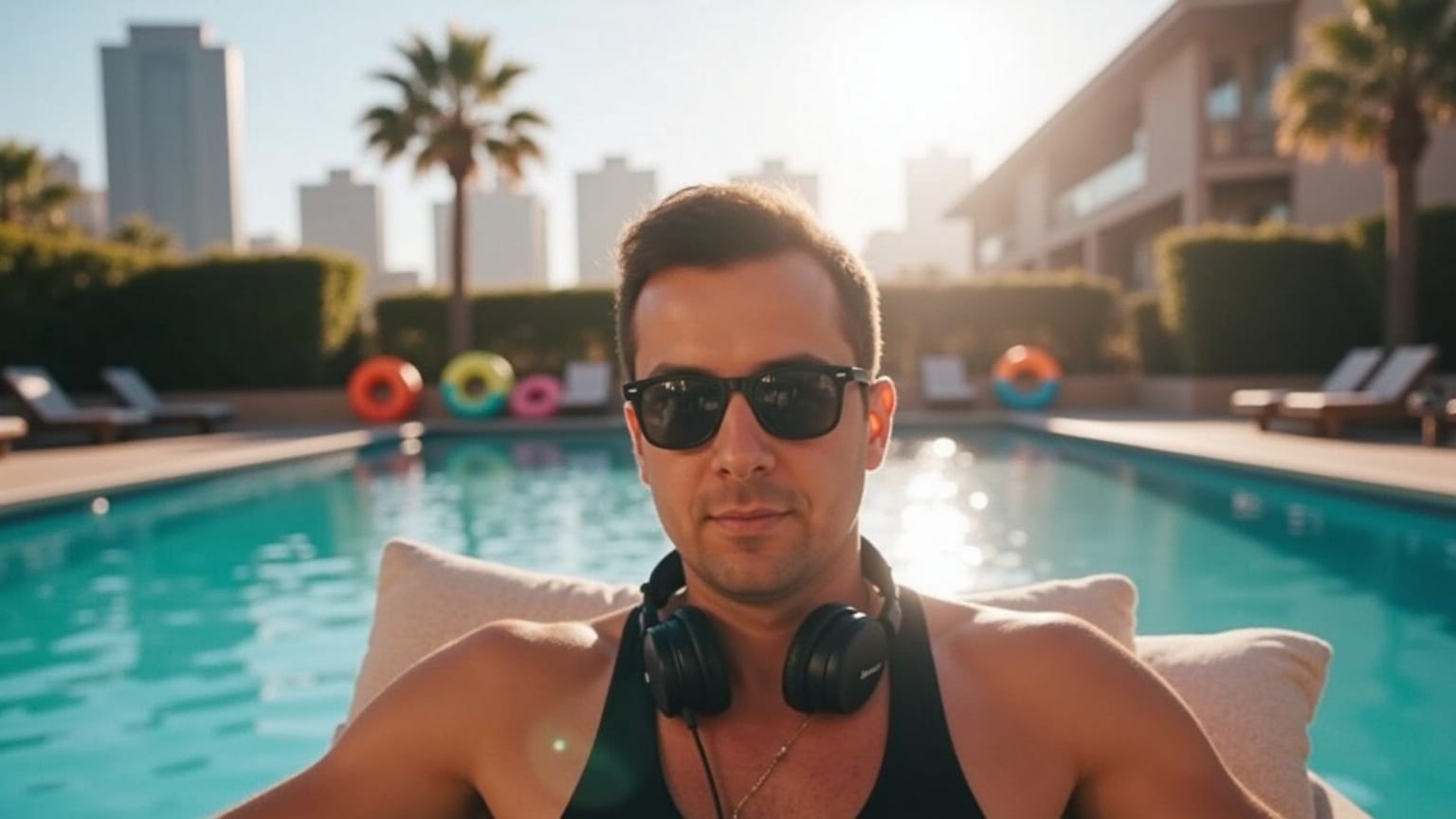
Taylor Thomson is a Los Angeles–based DJ and electronic music producer whose work blends deep house, synth-pop, and experimental techno into immersive soundscapes. Known for high-energy sets and cinematic productions, he has become a rising voice in LA’s underground scene, bridging club culture with the city’s broader creative tech community.
In 2024, Thomson launched Night Signal, an independent imprint dedicated to forward-thinking dance music and emerging artists. Alongside the label, he curates Night Signal Radio, a monthly mix series that highlights boundary-pushing DJs and producers while offering a platform for experimental sounds. His music is influenced by the pulse of deep house, the retro-futurism of synth-driven pop, and the cinematic expansiveness of film scores — inspirations that allow him to craft sets and tracks with narrative arcs and emotional depth.
Beyond music production, Thomson collaborates with visual artists, event curators, and creative technologists to design hybrid performances that fuse sound and visuals. His recent projects include live audiovisual experiences, visualizer-driven singles such as Neon Circuits and Galactic Fever, and the development of thematic DJ sets built around cosmic and cyberpunk aesthetics.
Thomson’s approach is rooted in both discipline and experimentation. In the studio, he combines analog hardware with modern digital tools, while on stage, he thrives on reading the energy of the crowd and shaping journeys that emphasize connection over spectacle. His philosophy is that electronic music is not just about beats, but about creating environments that move people emotionally and physically.
As he continues to expand his catalog, Taylor Thomson remains focused on elevating underground communities, blending technology with artistry, and pushing dance music into new creative territories.
What is your typical day, and how do you make it productive?
Most days start with an early studio session, where I focus on sound design or sketching out new ideas before distractions set in. Afternoons are for collaboration, whether meeting with visual artists, curators, or planning mixes. I schedule my creative tasks during the hours when I know I’m most focused, and I treat deadlines for music the same way others treat business meetings: non-negotiable.
How do you bring ideas to life?
I start with a spark, like a rhythm, a synth patch, or a vocal texture, and then build it into a framework. Inspiration can be chaotic, but finishing requires structure. I make ideas real by shaping them into something that can be shared, whether that ends up being a mix, a demo, or a live set.
What’s one trend that excites you?
The move toward smaller, community-driven events instead of only massive festivals. People want more intimacy and connection, and those small rooms are where DJs and audiences really interact. It is pushing music culture in exciting and authentic directions.
What is one habit that helps you be productive?
Putting my phone in another room for a few hours. Deep focus without constant notifications is essential when producing or mixing.
What advice would you give your younger self?
Do not wait for perfect conditions to start releasing music. Every release is part of the journey, and the imperfections often make it more human.
Tell us something you believe almost nobody agrees with you on?
Silence can be just as important as sound. In electronic music, the space between beats and textures can carry as much weight as the layers themselves.
What is the one thing you repeatedly do and recommend everyone else do?
Go for walks without headphones. It clears the mind, resets creative blockages, and helps you notice rhythms in the world around you.
When you feel overwhelmed or unfocused, what do you do?
I step away from the studio and mix vinyl or improvise on synths with no pressure. Reconnecting with the joy of sound, without deadlines, helps me reset.
What is one strategy that has helped you grow your business or advance in your career?
Building a brand around community. Night Signal is not just about me, it is about spotlighting other artists. That approach makes the work bigger than one person and creates more lasting momentum.
What is one failure in your career, how did you overcome it, and what lessons did you take away from it?
Early on, I rushed out tracks without proper mixing or mastering. They did not get the reception I hoped for, and I learned the importance of patience and professional polish. Quality always outlasts quick wins.
What is one business idea you’re willing to give away to our readers?
A “visualizer marketplace” where DJs could collaborate directly with digital artists to bundle audio and visuals as ready-to-release packages. Artists and VJs would both benefit.
What is one piece of software that helps you be productive? How do you use it?
Ableton Live. It is my creative hub, not just for producing tracks but also for sketching live set ideas and experimenting with sound in ways that keep me moving forward.
What is the best $100 you recently spent? What and why?
A secondhand synth pedal that completely changed the texture of my live set. Small investments in gear can often have a big creative impact.
Do you have a favorite book or podcast you’ve gotten a ton of value from and why?
I often return to Brian Eno’s A Year with Swollen Appendices. His reflections on creativity, process, and chance are timeless and can be applied across any artistic discipline.
What’s a movie or series you recently enjoyed and why?
Dune: Part Two. Beyond the story, the sound design is incredible and it shows how music and sound can shape atmosphere, emotion, and scale in ways words alone cannot.
Key learnings
- Creativity thrives on structure: experimentation is vital, but discipline brings ideas to completion.
- Smaller, community-driven events are reshaping electronic music culture by prioritizing authenticity over spectacle.
- Building a platform around collective growth (like Night Signal) can accelerate career development more than self-focus alone.
- Failure teaches the importance of patience and quality — rushing work rarely pays off in the long run.
- Simple habits like unplugged walks and deep-focus work sessions can dramatically improve productivity and creativity.