
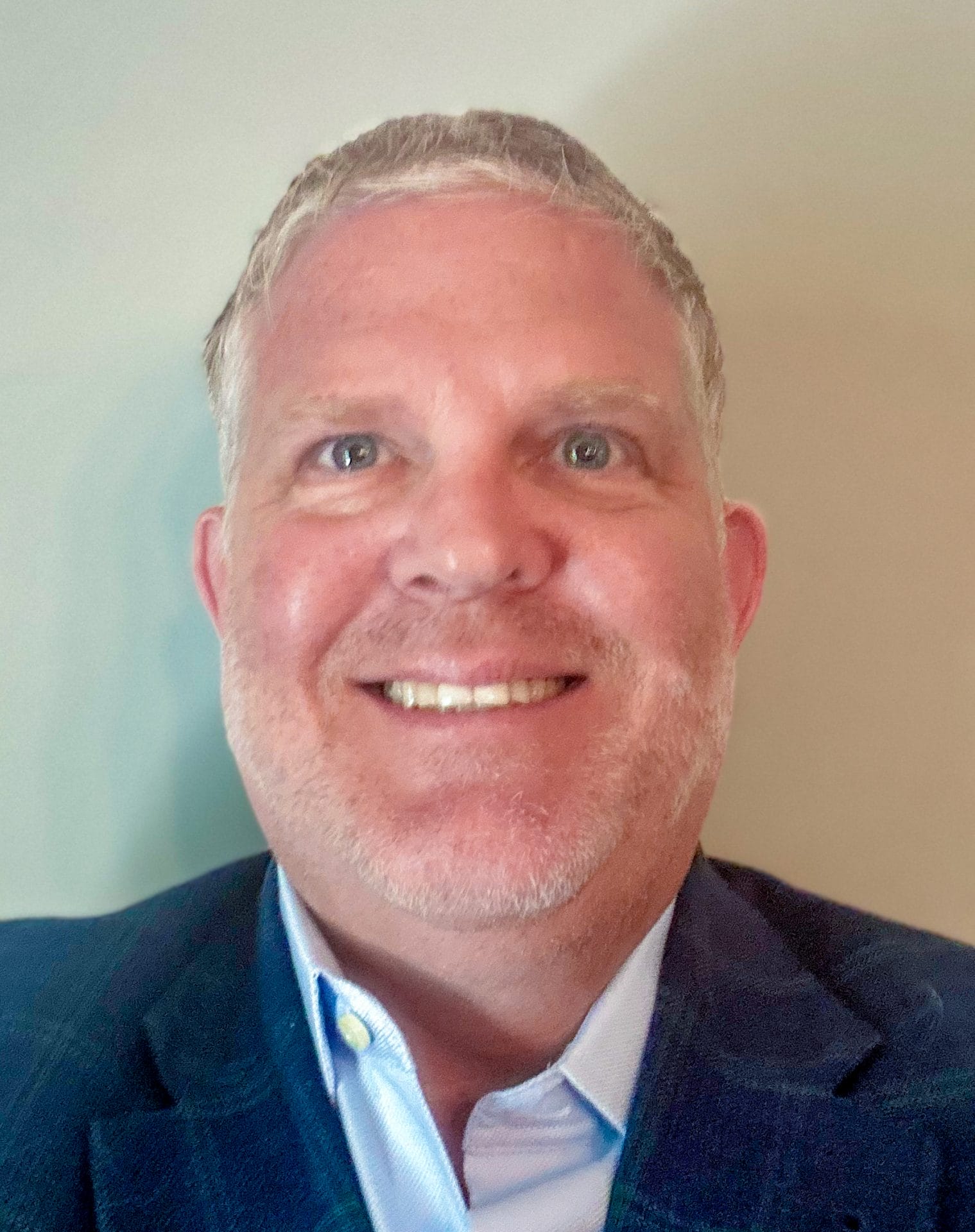
Thomas Pickels is a seasoned IT executive with deep expertise in enterprise solution sales and delivery, vendor management, and customer success.
He began his career at Accenture, supporting clients across retail, financial services, utilities, government, media & entertainment, and communications. Over a 15-year tenure, he progressed into executive roles leading major technology initiatives and multi-million-dollar service engagements.
Most recently, Mr. Pickels served as Lead Services Solution Sales Manager in the Customer Success & Professional Services organization at BMC Software. He developed and negotiated SOWs with Fortune 500 clients, provided executive oversight for full-lifecycle IT programs, led cross-functional teams, and ensured alignment among delivery, risk, and stakeholder expectations across a North American portfolio.
At Duke Energy, where he spent nearly eight years in IT leadership roles, Mr. Pickels served as IT Supplier Relationship Manager. He introduced a standardized governance framework to improve service provider performance, accountability, and value realization. He led strategic contract renewal efforts with vendors such as Microsoft and BMC, and facilitated C-level engagement with Oracle, IBM, and Dell. The vendor portfolio he managed represented more than $100M in IT spend.
Mr. Pickels holds a BS in Biology from Villanova University and an MS in Biomedical Engineering from Rensselaer Polytechnic Institute (RPI). With a growing interest in the practical applications of AI and machine learning, he has recently completed advanced coursework in the field. Outside of work, he enjoys hiking, surfing, and spending time with his teenage children. He is a former college baseball player and a lifelong fan of the New York Yankees.
What is your typical day, and how do you make it productive?
I start each day at 7 am, anchored in a consistent morning routine, and wind down by 10 pm with nightly reflection. This discipline fuels my energy, mental clarity, and helps me prioritize what matters most.
How do you bring ideas to life?
I bring ideas to life through collaborative planning and early stakeholder alignment.
What’s one trend that excites you?
AI excites me most. Having experienced the dot com era and cloud transformation firsthand, I view generative AI as the third major shift in tech: enhancing how teams work, strategize, and deliver.
What is one habit that helps you be productive?
Spending 10-15 minutes reviewing the day’s wins, setbacks, and next steps offers clarity and prepares me mentally for what lies ahead.
What advice would you give your younger self?
My advice to my younger self: don’t fixate only on results—enjoy the process. Growth and learning often unfold in the journey, not just the destination. Focusing on the results steals the learning from the journey, and that learning is what fuels repeatable work and improved efficiency.
Tell us something you believe almost nobody agrees with you on?
I also firmly believe—and often meet skepticism—that remote work, when managed wisely, yields greater productivity, deeper focus, and stronger work-life balance. It is also a very basic perk that can be afforded to an employee with a very significant return on investment. Remote workers appreciate the trust and confidence their leadership demonstrates by allowing them to own their schedule, and that makes people want to work harder and be better for leaders – reward their trust, so to speak.
What is the one thing you repeatedly do and recommend everyone else do?
The habit I recommend most to others: nightly reflection.
When you feel overwhelmed or unfocused, what do you do?
When feeling overwhelmed or unfocused, I stop, center myself with focused breathing, and then prioritize one task at a time—narrowing focus to regain momentum. I swear by this approach and feel that it enables me to avoid waste by taking a moment to remember what priorities are the most important.
What is one strategy that has helped you grow your business or advance in your career?
I have grown sales by focusing on trust-building through informal, relationship based interactions—casual coffees, candid checkpoint meetings, and stakeholder check ins that deepen engagement and solve problems proactively.
What is one failure in your career, how did you overcome it, and what lessons did you take away from it?
At BMC, I once delayed a proposal to expand scope and increase long-term value. While the intention was to strengthen the relationship and grow the deal, the delay caused the customer to seek help elsewhere, resulting in the loss of both the original sale and future opportunity.
What is one piece of software that helps you be productive? How do you use it?
One essential tool in my workflow is Microsoft Copilot (or ChatGPT). I don’t Google anymore—I ask AI, and the insights are 100 times faster and more precise. There’s usually additional content provided with the results, which I can use to modify my request, or add to my initial content when needed. It may happen someday, but for now, no one can pay to jump the line. I feel that this keeps the AI results targeted and helpful, rather than simply whoever is willing to pay the most to be first.
Do you have a favorite book or podcast you’ve gotten a ton of value from and why?
I find inspiration in character-driven stories that explore personal growth, ethical dilemmas, and resilience.
What’s a movie or series you recently enjoyed and why?
Shows and films like Breaking Bad, Good Will Hunting, and The Shawshank Redemption resonate with me not just for their storytelling, but for how they reflect the complexities of decision-making, transformation, and redemption. I believe these narratives mirror the realities of leadership—where success often comes through facing adversity, owning mistakes, and adapting with purpose.
Key learnings
- Consistent daily routines and structured reflection support energy, clarity, and well being.
- Early informal stakeholder engagement deepens trust and accelerates growth.
- AI tools such as Copilot or ChatGPT substantially increase research quality and productivity.
- Over-engineering proposals can backfire—speed and clarity often win.
- Thoughtfully managed remote work can boost both performance and personal balance.