
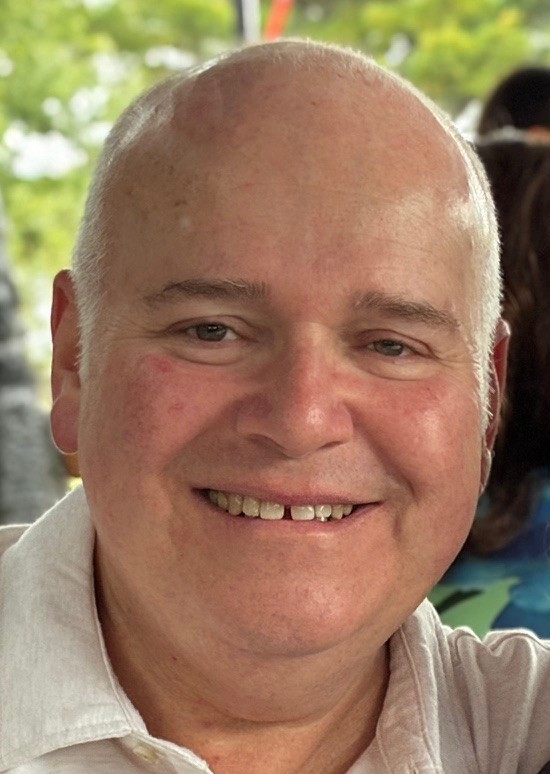
Timothy Bradbury Monzello built his career step by step, starting with hands-on work and growing into leadership and teaching. He grew up in Southern California in the 1960s and 70s. After losing his mother at a young age, he was raised by his father alongside his siblings. That early experience shaped his work ethic and sense of responsibility.
He began his career working as an auto mechanic and machinist. He spent years learning how machines work and how parts are made. He worked with mills, lathes, and CNC systems. Over time, he moved into leadership roles, including foreman, supervisor, and plant manager. Each role gave him a deeper understanding of production and operations.
Later, he returned to school and earned degrees in electronics, language arts, business administration, and an MBA. He combined education with real-world experience.
He spent 19 years at NASA’s Jet Propulsion Laboratory. There, he worked as a Master Production Scheduler and later as a Group Lead in Manufacturing Engineering. His work focused on making sure complex systems could be built the right way.
Alongside his career, he began teaching manufacturing and machine tool technology. He has now taught for over a decade. Today, he continues to share what he has learned, helping others connect ideas with real-world results.
What is your typical day, and how do you make it productive?
My day starts early. I like to review what I need to get done before anything else. When I was at JPL, I learned that planning saves time later. Now, I still follow that habit. I break my day into small tasks. I also leave room for unexpected issues, because they always show up.
How do you bring ideas to life?
I start by asking how something will actually be built. That question guides everything. I’ve seen ideas fail because no one thought about the process. I sketch things out, then I think about tools, materials, and steps. If it doesn’t make sense in production, I adjust early.
What’s one trend that excites you?
I like seeing more focus on practical manufacturing again. There’s more attention on how things are made, not just designed. That shift helps close the gap between engineers and production teams.
What is one habit that helps you be productive?
Writing things down. I keep notes on what works and what doesn’t. Over time, that builds a personal reference. It helps me avoid repeating mistakes.
What advice would you give your younger self?
I would say be patient and keep learning. I didn’t rush my education, and that helped me understand it better. I would also say listen more to people who have been doing the work longer.
Tell us something you believe almost nobody agrees with you on?
Not everything needs tight tolerances. I’ve seen designs where everything was over-specified. That slows production and adds cost. Precision matters, but only where it’s needed.
What is the one thing you repeatedly do and recommend everyone else do?
Talk to the people who actually build the product. They will tell you things you won’t find in a design manual.
When you feel overwhelmed or unfocused, what do you do?
I step away and reset. Sometimes I go outside or work on something simple. When I come back, I focus on one task at a time instead of trying to solve everything at once.
What is one strategy that has helped you grow your business or advance in your career?
Understanding the full process. I didn’t stay in one area. I learned machining, planning, and management. That gave me a bigger picture. It helped me make better decisions and lead teams more effectively.
What is one failure in your career, how did you overcome it, and what lessons did you take away from it?
Early in my career, I worked on a part that looked good in design but failed in production. We had to redo it. It delayed everything. I learned to always think about how something will be made before finalizing it.
What is one business idea you’re willing to give away to our readers?
A simple consulting service that reviews designs for manufacturability before production. Many companies skip that step and pay for it later.
What is one piece of software that helps you be productive? How do you use it?
I use basic spreadsheet tools. I track schedules, notes, and tasks. It’s simple, but it works. I don’t need anything complex to stay organized.
Do you have a favorite book or podcast you’ve gotten a ton of value from and why?
I’ve always liked books that focus on systems and operations. “The Goal” by Eliyahu Goldratt stands out. It shows how small changes in process can make a big difference.
What’s a movie or series you recently enjoyed and why?
I enjoy historical series. They show how people solved problems with the tools they had. That mindset still applies today.
Key learnings
- Strong design decisions must account for real-world production, not just theory.
- Early collaboration between design and manufacturing reduces delays and cost.
- Small process improvements can create large operational gains over time.
- Learning across multiple roles builds better long-term decision making.
- Consistent habits and simple systems often outperform complex solutions.