
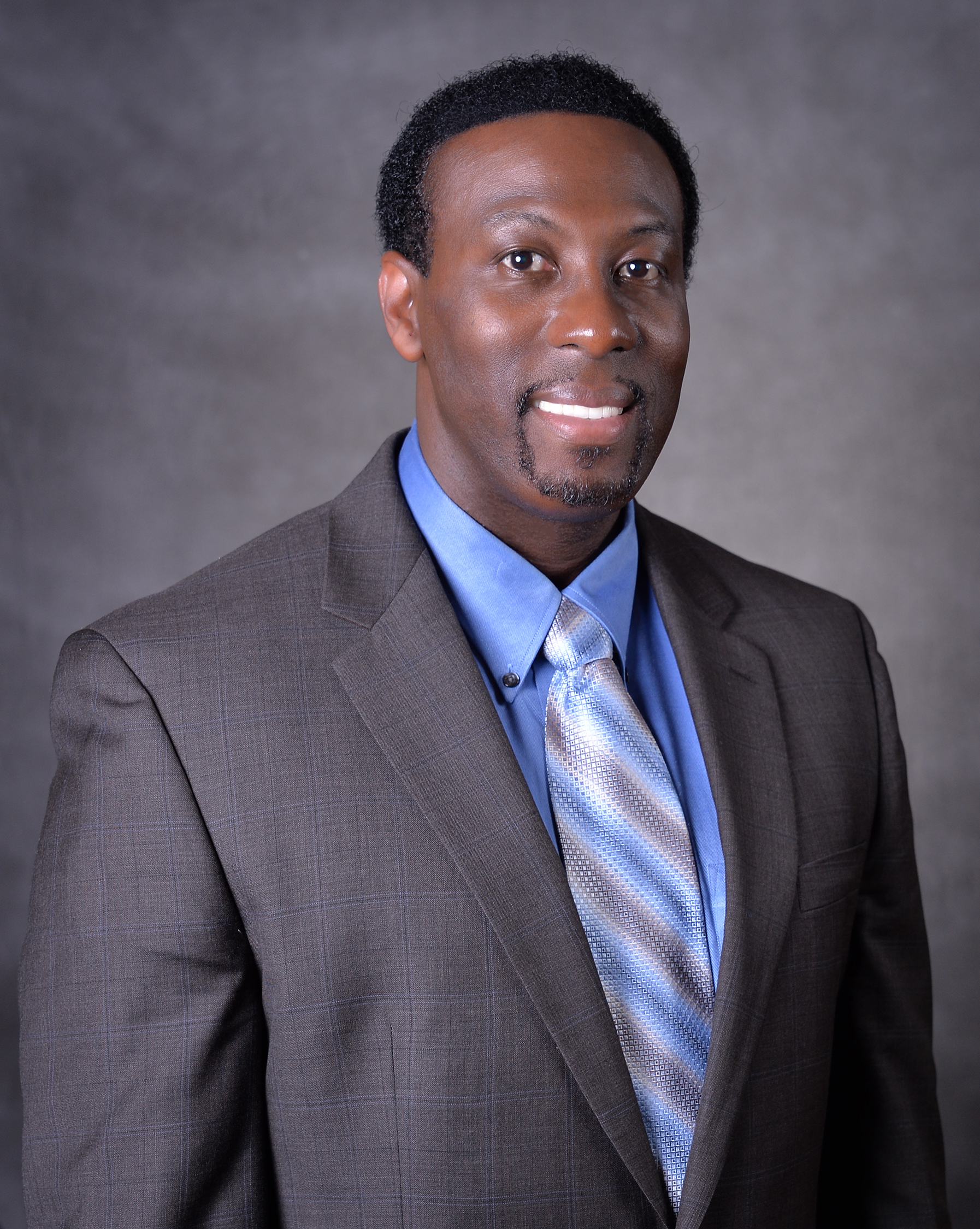
Dr. Timothy Gadson is an accomplished educational administrator with a rich background, including significant contributions to the Salt Lake City School District and various other districts. Dr. Gadson serves as the Deputy Superintendent of Atlanta Public Schools, where he plays a pivotal role in guiding strategic initiatives and managing daily operations. His leadership is instrumental in driving positive change and fostering a culture of excellence and equity within the district.
As Deputy Superintendent, Dr. Gadson oversees a range of initiatives to enhance educational outcomes and promote student success. He collaborates closely with the Superintendent and other district leaders to develop and implement effective strategies for improving staff morale, boosting student achievement, and strengthening internal and external trust. Dr. Gadson’s efforts significantly improved graduation rates, literacy, mathematics, science performance, and overall student success.
Before his tenure in Atlanta, Dr. Gadson served as the state’s first black superintendent in Salt Lake City, where he managed a $330 million budget and implemented strategic initiatives to enhance educational outcomes. Notable achievements included refining the budgeting process for consistent returns on investment and forging partnerships with local organizations to provide no-cost transportation to staff and students.
Dr. Gadson has demonstrated a strong commitment to educational excellence and equity throughout his career. He has a proven track record of success in leading comprehensive and inclusive initiatives, establishing effective partnerships, and driving positive change at the district and community levels. Dr. Gadson’s wealth of experience and leadership acumen make him a highly qualified candidate for any educational leadership position.
What is your typical day, and how do you make it productive?
My typical day starts early with intentional planning and reflection. I review priority projects, leadership commitments, and client needs before engaging in meetings, coaching sessions, proposal development, or business operations. Throughout the day, I balance strategic work with hands-on problem-solving, whether supporting school leaders, managing business initiatives, or advancing new partnerships.
I stay productive by structuring my day around high-impact outcomes rather than tasks alone. I block time for deep work, minimize unnecessary meetings, and consistently revisit my goals to ensure every activity aligns with long-term purpose and results.
How do you bring ideas to life?
I bring ideas to life by grounding them in real needs and practical execution. Every strong idea begins with listening. I gather input from stakeholders, analyze data, and study best practices before shaping a clear vision.
From there, I develop actionable plans, timelines, and accountability structures. I believe ideas only matter when they are implemented well, so I focus on building systems, securing resources, and empowering people to carry the work forward.
What’s one trend that excites you?
One trend that excites me is the responsible use of technology and data to personalize learning, leadership development, and business operations. When used thoughtfully, digital tools can expand access, improve decision-making, and create more equitable outcomes.
I am especially encouraged by how analytics, AI-supported tools, and collaborative platforms are helping organizations move from reactive practices to proactive, strategic leadership.
What is one habit that helps you be productive?
One habit that supports my productivity is disciplined reflection and review. At the end of each day and week, I assess what worked, what did not, and what needs adjustment.
This habit keeps me focused, prevents burnout, and ensures continuous improvement. It allows me to operate with clarity rather than simply reacting to circumstances.
What advice would you give your younger self?
I would tell my younger self to trust the process, protect personal well-being, and understand that setbacks are often preparation for greater responsibility.
I would also emphasize the importance of building strong networks early, seeking mentorship, and not feeling pressured to carry every burden alone. Sustainable success requires both excellence and balance.
Tell us something you believe that almost nobody agrees with you on.
I believe that many organizations overvalue speed and underestimate sustainability. Quick wins are celebrated, but long-term systems often receive less attention.
True transformation takes time, patience, and disciplined follow-through. Lasting success is built through consistent investment in people and processes, not shortcuts.
What is the one thing you repeatedly do and recommend everyone else do?
I consistently document systems, processes, and lessons learned. Whether in education, consulting, or business, I create clear frameworks that can be replicated and improved.
I recommend everyone do the same. Strong documentation builds organizational memory, supports leadership transitions, and prevents repeated mistakes.
When you feel overwhelmed or unfocused, what do you do?
When I feel overwhelmed, I step back and reset my priorities. I identify the few actions that will create the greatest impact and temporarily set aside distractions.
I also rely on quiet reflection, physical movement, and trusted colleagues for perspective. This approach helps restore clarity and momentum.
What is one strategy that has helped you grow your business or advance in your career?
One of the most effective strategies has been relationship-driven credibility. I focus on delivering consistent results, honoring commitments, and building trust across sectors.
Over time, this approach has led to repeat partnerships, referrals, and leadership opportunities. People want to work with individuals who combine competence with integrity.
What is one failure in your career, how did you overcome it, and what lessons did you take away from it?
Early in my career, I accepted leadership roles where organizational readiness did not match expectations. Progress was slower than anticipated, and some initiatives stalled.
I overcame this by deepening my skills in change management, stakeholder engagement, and systems alignment. The experience taught me that timing, culture, and capacity matter as much as vision.
What is one business idea you’re willing to give away to our readers?
A scalable business idea is creating regional Leadership and Operations Support Hubs for small school districts and minority-owned businesses.
These hubs would provide shared services in compliance, finance, training, proposal writing, and data analysis. Many organizations struggle independently with these functions. A shared model reduces costs and increases quality.
What is one piece of software that helps you be productive? How do you use it?
Google Workspace is one of my most valuable tools. I use it to manage documents, collaborate in real time, track projects, and maintain organized workflows.
Its cloud-based structure allows seamless coordination with partners, clients, and teams across multiple states and sectors.
What is the best $100 you recently spent? What and why?
One of the best recent investments was in professional development and leadership resources. Whether books, online courses, or specialized materials, continuous learning remains essential.
This investment consistently strengthens my capacity to serve organizations and communities at a higher level.
Do you have a favorite book or podcast you’ve gotten a ton of value from and why?
One book that has had a strong impact on my leadership practice is “Culturally Responsive School Leadership” by Muhammad Khalifa.
This book stands out because it connects equity directly to daily leadership practice rather than treating it as a separate initiative. It offers practical strategies for building inclusive school cultures, strengthening relationships with families, and addressing systemic barriers that affect student success.
What makes this book especially valuable is its focus on action and accountability. It challenges leaders to reflect on their own beliefs, redesign systems, and lead with moral clarity. It reinforces that equity must be embedded in instruction, discipline, professional learning, and decision-making, not added as an afterthought.
What’s a movie or series you recently enjoyed and why?
One recent series I enjoyed is “Snowfall.”
“Snowfall” is a fast-paced, action-driven series that tells a powerful story about ambition, leadership, and consequences within complex social and economic systems. The show follows young entrepreneurs navigating high-stakes environments while confronting moral, personal, and community challenges.
Beyond the action, the series highlights how leadership decisions shape outcomes for entire communities. It explores themes of responsibility, power, loyalty, and accountability, which closely mirror the realities leaders face in education and business when their choices affect the lives of others.
Key learnings
- Strategic leadership requires aligning vision, systems, and people for long-term success.
- Sustainable growth depends on trust, credibility, and consistent execution.
- Documentation and systems thinking strengthen organizational capacity.
- Continuous learning is essential for adapting to complex environments.
- Purpose-driven leadership creates lasting impact across sectors.