
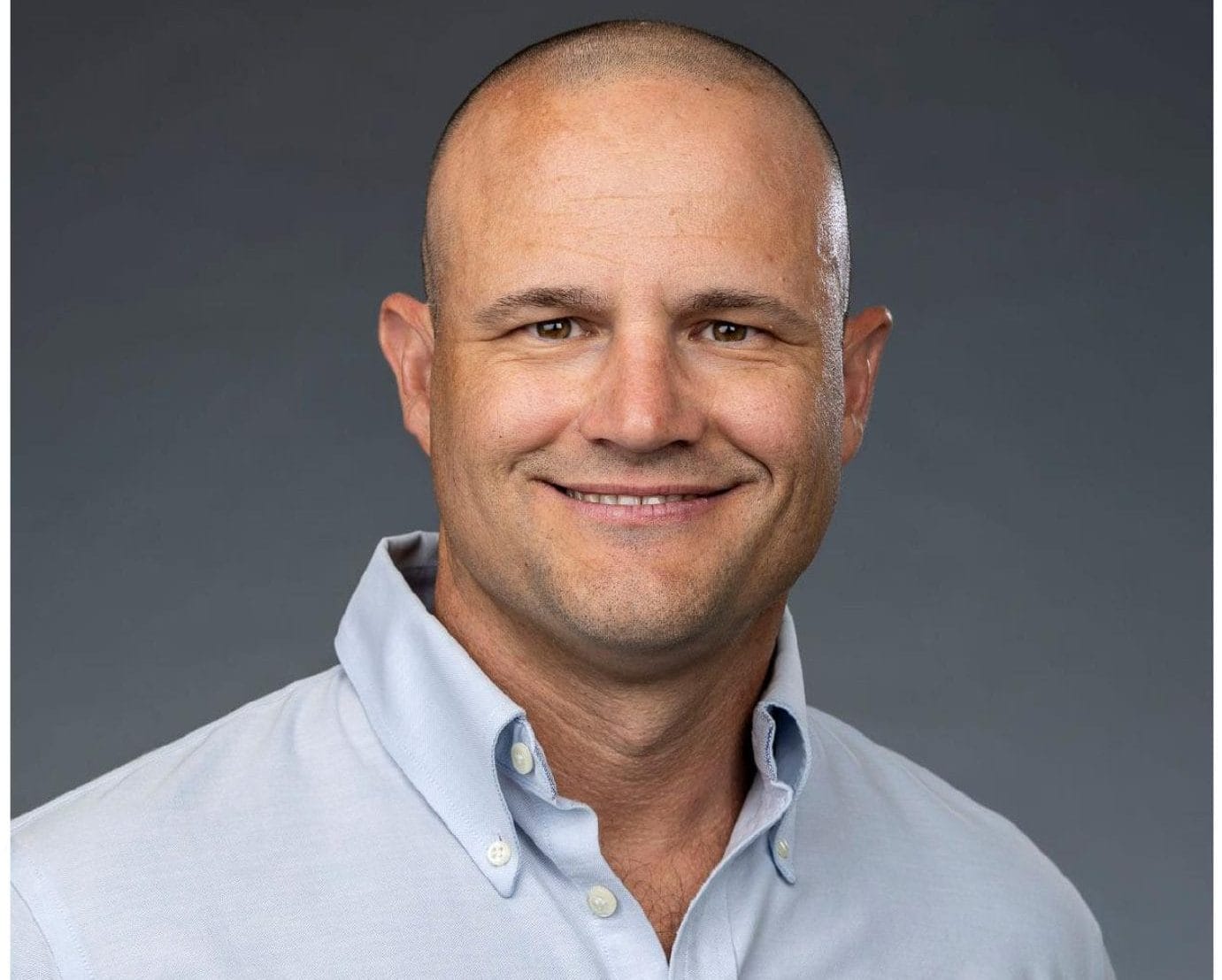
Trevor Forbes is the CEO of Freestone Companies, an experienced business executive with a track record of delivering impressive EBITDA growth in his seven years as President, and then CEO at Summit Vehicle Solutions. As a Marine Corps veteran, Trevor led logistics units and counterinsurgency teams in East Asia and Afghanistan with high distinction. Apart from his work at Freestone Companies, he is a partner and investor at Grant Street Investments, additionally serving on the board of Peak Auto Auctions. With a background in Mechanical Engineering from Texas A&M University and an MBA from the Tuck School of Business at Dartmouth, Trevor offers a combination of sophisticated technical and managerial skills, reflected in his well-versed knowledge of business operations.
What is your typical day, and how do you make it productive?
I get up early to work out. If I don’t have to drop my daughter off at school, I arrive at the office by 8. There, I review my calendar and prioritize my tasks. I break down my work into smaller tasks and tackle administrative duties first. I then handle calls with investors and portfolio companies and engage with prospective business sellers. Later, I have a meeting with Matt, my business partner, to discuss strategy and potential investment opportunities. In the early afternoon, I go for a run and then focus on analysis work related to investment thesis. I spend the rest of the afternoon sending follow-up emails and addressing any requests from co-workers. I try to get home by 6 p.m., have dinner, watch TV with my wife, and put the kids to bed.
How do you bring ideas to life?
I have a couple of methods. First, I try to research new industries that we might be interested in. One way to do this is by observing; I’ll see a truck from a company and Google their logo to look for potential opportunities. This also involves going to industry trade shows and seeing what kind of tangential industries connect to larger companies.
Another approach is reviewing brokered deal flow, where businesses actively for sale provide a deal book and investment memo. We get these information packages from our intermediaries to assess whether it’s something we might be interested in. Sometimes we’re not necessarily interested in the company, but there might be some potential in that industry. So we get more ideas from there.
What’s one trend that excites you?
I think skilled blue-collar workers are becoming increasingly scarce. I have noticed that industries with a lot of blue-collar workers can get a better competitive edge in attracting and retaining talent. This becomes a strategic advantage as it allows them to retain better talent than their competitors.
What is one habit that helps you be productive?
When I was a young officer in the Marine Corps, we all had a little green book, a “to-do” book for each of us. At the beginning of every week, I sit down and record my activities from the previous week. I have a coding system to separate my tasks into ‘urgent’ and ‘important but not urgent’ sections. Then I break down my daily activities on the subsequent pages and outline what I need to do the next day. I also set three main goals each quarter and I regularly check whether my tasks contribute to achieving them. Right now, one of those goals is getting healthier and taking care of myself.
What advice would you give your younger self?
Take more time to travel and go on adventures. In your twenties, you have fewer responsibilities and that’s when you should see the world. I was very frugal and wanted to save my money, which is important. Still, I think finding a balance and taking some time to travel would have been nice.
Tell us something you believe almost nobody agrees with you.
I don’t think that AI is going to end or change the world dramatically. It’s just going to be a tool like software and the steam engine. Over time, AI will have deflationary benefits and increase our efficiency but it will be an evolution and not a revolution.
What is the one thing you repeatedly do and recommend everyone else do?
Exercise. Having some sort of regular exercise significantly reduces stress levels, making you feel better and be more productive. It doesn’t necessarily have to be done in the morning. Everyone would benefit from having a systematic exercise routine.
When you feel overwhelmed or unfocused, what do you do?
I like to go hunting and fishing far in the backcountry, where I hike and set up camp for a couple of days. It helps me disconnect from constantly checking emails on my phone. I think everyone should do this at least once a year. Go to a place where using your phone is physically impossible. Of course, doing this every time can be difficult, so I exercise to refresh myself.
What is one strategy that has helped you grow your business or advance in your career?
Focusing on developing people. Recruiting and retaining folks who are focused on growth. A business is only as valuable as the people that are in it. Taking strategy and competitors into consideration, retaining the best possible people for your team creates significant value over time.
What is one failure in your career, how did you overcome it, and what lessons did you take away from it?
When I first tried to buy a business years ago, it didn’t work out and I lost all of my investor’s money. It was an embarrassing and humbling experience. It made me realize two things: I needed to be armed with more knowledge than I thought and there’s a lot of luck involved in business.
What is one business idea you’re willing to give away to our readers?
Everyone wants to be an entrepreneur nowadays. People think they need to raise money from VCs and have an innovative technology idea to start a business. I think people should consider acquiring a small business. It’s a different path and it was one that I pursued. Having a great idea or a new app doesn’t necessarily mean your business will be successful. You don’t need to come up with unique ideas to start a business. You can research about entrepreneurship through acquisition. There are a lot of business owners out there looking for retirement opportunities.
What is the best $100 you recently spent?
We took our two young daughters to Hawaii with our in-laws a few weeks ago. I rented snorkeling gear for them and they used it to see sea turtles for the first time. I think it was a really good investment as it resulted in core memories for them. They will remember this event for a long time.
Do you have a favorite book or podcast from which you’ve received much value?
William N. Thorndike Jr.’s The Outsiders is my favorite business book, written by one of my old investors. The book looks at different CEOs, not as operators, but as capital allocators. It explains how you can create a lot of value as a CEO by taking your business’s resources and allocating them most efficiently to maximum actual shareholder returns. As someone who focuses on operations, the book offered me a new perspective. Thinking about finance and strategic resource allocation has been valuable for me.