
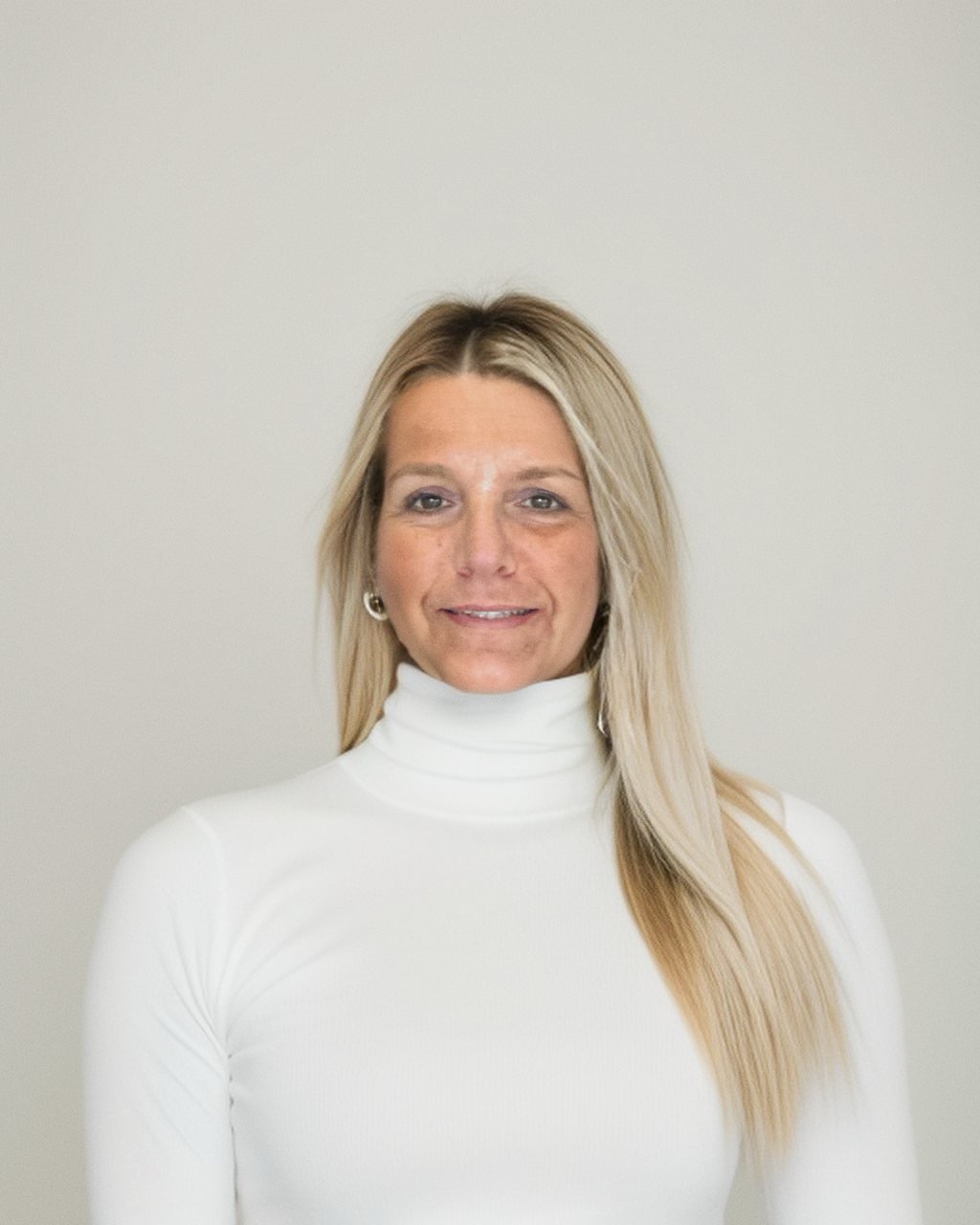
Vera Tovino has served as an executive personal assistant and operations lead for an ultra-high-net-worth principal for more than 20 years, with responsibilities across several residences, business interests, and high-demand environments. Vera Tovino takes on many roles, including gatekeeper, decision filter, and trusted proxy who represents the principal’s interests across a multitude of arenas. A few of her daily tasks include overseeing staff, coordinating personal logistics, and managing a high-volume, multi-layered business and personal schedule.
For 14 years, Vera Tovino balanced her responsibilities as an executive personal assistant with her work as an event project manager at Brett House Catering. She coordinated numerous high-end private and corporate events for ultra-high-net-worth clientele, raising more than $1 million in philanthropic donations. She gained extensive experience in human resources and business operations management in her leadership roles at Taos Restaurant Group.
Vera Tovino holds a marketing degree from Johnson and Wales University. She regularly expands her professional knowledge by attending events in the hospitality, lifestyle, and luxury service industries. Her personal interests range from boating to travel.
What is your typical day, and how do you make it productive?
My days rarely look the same, and that’s one of the things I enjoy most about my work. In the private service and family office world, priorities can shift in a matter of minutes, so I’ve learned to build structure without becoming rigid.
I usually begin the day by reviewing my priorities, anticipating what may be needed before it’s requested, and making sure the people, properties, and projects I’m responsible for are moving forward. Some days that means coordinating travel across multiple time zones. Other days it means managing vendors, reviewing budgets, overseeing a renovation, planning an event, or simply solving an unexpected problem before it reaches my principal.
I’ve found that productivity isn’t about getting the most done. It’s about focusing on the work that creates the greatest impact. Staying organized, communicating clearly, and following through consistently allows me to remain calm, even when the pace is demanding. After more than 20 years of supporting one principal and family, I’ve learned that the best operations are often the ones no one notices. When everything runs seamlessly, it creates the freedom for others to focus on what matters most, and that’s ultimately the role I strive to play every day.
How do you bring ideas to life?
I’ve learned that great ideas rarely succeed because they’re brilliant. They succeed because someone is willing to consistently execute them. Whenever I’m presented with a new idea, I start by asking a simple question: What does success actually look like? Once that’s clear, I work backwards, breaking the vision into manageable steps, identifying priorities, and making sure that the right people have the information and resources they need to move forward.
One lesson I’ve carried throughout my career is that execution is built on communication. Whether I’m coordinating a renovation, planning a large event, implementing a new operational system, or managing a complex travel itinerary, everyone involved needs to understand not only what they’re doing, but why it matters. I’ve also become comfortable with the fact that not every detail will be known on day one. Progress creates momentum, which creates clarity. Some of the most successful projects I’ve managed evolved as we learned, adjusted, and improved along the way.
Ultimately, bringing ideas to life isn’t about having all the answers. It’s about creating an environment where people can do their best work, solving problems as they arise, and never losing sight of the original vision.
What’s one trend that excites you?
One trend that genuinely excites me is the growing appreciation for anticipatory service. Whether in private households, family offices, hospitality, or even technology, the highest level of service is no longer about simply responding to requests. It’s about understanding people’s needs well enough to address them before they have to ask.
I’ve watched expectations evolve over the course of my career. Today, success isn’t measured by how quickly you react to a problem, but by how often the problem never arises because someone was thinking several steps ahead. I also believe that technology, including artificial intelligence, has an important role to play in supporting that evolution.
Used thoughtfully, it can eliminate repetitive administrative work, improve communication, and provide better organization. But technology should never replace human judgment, empathy, or relationships. Instead, it should give professionals more time to focus on what people value most: trust, personal connection, and exceptional service. To me, that’s the future of leadership and operations. The best systems should feel almost invisible, allowing people to spend less time managing life and more time living it.
What is one habit that helps you be productive?
One habit that has served me throughout my career is making sure I close every loop.
Whether it’s following up with a vendor, confirming travel details, checking on a project, or simply making sure someone has what they need, I rarely assume something has been handled until I’ve verified it. That habit has prevented countless small issues from becoming much larger problems.
I’ve learned that productivity isn’t about doing more. It’s about creating clarity. When communication is complete, expectations are understood. People know what’s happening next, and everything moves more efficiently. Over time, I’ve realized that this approach builds something even more valuable than efficiency. It builds trust. People know they can rely on me because they don’t have to wonder whether something was forgotten or left unfinished.
What advice would you give your younger self?
If I could give my younger self one piece of advice, it would be this: Don’t let the pursuit of perfection slow your progress. I’ve always held myself to high standards, and while that has served me well throughout my career, I’ve also learned that perfection isn’t the goal. Growth is. I’ve made mistakes, just like everyone else, but I’ve found that mistakes often become your best teachers if you’re willing to own them, learn from them, and move forward with greater perspective.
I would also remind my younger self to trust my instincts sooner. Experience has taught me that preparation, integrity, and consistency matter far more than having every answer. Confidence doesn’t come from never making mistakes. It comes from knowing you’ll handle them thoughtfully and emerge stronger because of them. Looking back, I wouldn’t change the challenges I’ve faced. Each one has shaped the way I lead, solve problems, and support others today.
Tell us something you believe almost nobody agrees with you on?
I believe that organization isn’t about control. It’s about creating freedom. A lot of people associate systems, structure, and planning with rigidity, but my experience has taught me the opposite. The more organized an operation is, the more adaptable it becomes. When people know their roles, communication is clear, and the right systems are in place, you’re able to respond calmly and confidently when the unexpected happens.
I’ve spent much of my career in environments where plans changed with little notice. Flights were delayed, events evolved, projects shifted direction, and priorities changed overnight. The reason those moments didn’t become crises wasn’t because everything went according to plan. It was because there was a strong foundation that allowed us to adjust without losing momentum. To me, great organization isn’t about controlling every detail. It’s about creating enough clarity and trust that people have the freedom to focus on what matters most.
What is the one thing you repeatedly do and recommend everyone else do?
If there’s one habit I recommend to everyone, it’s this: Finish the loop. In my profession, it’s easy to assume something has been handled because someone said they would take care of it. I’ve learned that assumptions create unnecessary problems. Whether it’s confirming a reservation, following up with a contractor, checking in with a team member, or making sure a project reached completion, I believe in verifying rather than assuming.
It isn’t about micromanaging. It’s about creating confidence. When people know you’ll follow through and that nothing slips through the cracks, trust naturally develops. I’ve found that this principle extends well beyond work. Relationships, leadership, and successful organizations are all built on consistent communication and reliable follow-through. It’s a simple habit, but over time it has one of the greatest impacts.
When you feel overwhelmed or unfocused, what do you do?
When I start to feel overwhelmed, I’ve learned not to react immediately. Instead, I pause long enough to regain perspective. One lesson my career has taught me is that complexity becomes much more manageable when it’s broken down into individual pieces. Rather than trying to solve everything at once, I identify what truly needs my attention first, what can wait, and who needs to be involved. Once there’s clarity, momentum naturally follows.
I also remind myself that very few situations are improved by panic. People look to leaders for calm, especially during periods of uncertainty. I’ve found that staying composed, asking good questions, and focusing on the next right step almost always leads to better decisions than trying to tackle everything at once. Ironically, the busiest environments have taught me the value of slowing my thinking before speeding up my actions. A few moments of clarity often save hours of unnecessary work later.
What is one strategy that has helped you grow your business or advance in your career?
One strategy that has had the greatest impact on my career is focusing on becoming genuinely valuable rather than simply being busy. Early in my career, I realized that checking tasks off a list wasn’t enough. The real opportunity was to understand the bigger picture. I wanted to know not only what needed to be done, but why it mattered and how my work could make someone else’s job easier. That mindset changed everything. Instead of waiting for direction, I began anticipating needs, identifying opportunities for improvement, and looking for ways to simplify complex situations before they became problems.
Over time, I wasn’t just completing assignments. I became a trusted partner who could be relied upon to think ahead, solve problems, and keep operations moving smoothly. I’ve found that when you consistently create value, trust naturally follows. And trust is what opens doors, strengthens relationships, and creates opportunities that no résumé alone ever could.
What is one failure in your career, how did you overcome it, and what lessons did you take away from it?
One of the biggest lessons of my career has been learning that trying to do everything yourself isn’t a strength—it’s a limitation. Early in my career, I believed that the best way to ensure something was done well was to take on as much responsibility as possible. While that approach came from a genuine desire to help, it wasn’t always sustainable. Over time, I realized that effective leadership isn’t about carrying every responsibility yourself. It’s about building trust, communicating clearly, and empowering the right people to succeed.
That shift changed the way I approach every project. I became more intentional about creating systems, developing strong relationships, and giving people the information and support they needed to do their best work. The result wasn’t less accountability—it was stronger collaboration and better outcomes.
Looking back, I don’t view that as a failure so much as an important turning point. It taught me that leadership isn’t measured by how much you personally accomplish. It’s measured by the environment you create and the success of the people around you. That lesson continues to shape the way I work every day.
What is one business idea you’re willing to give away to our readers?
If I could give away one business idea, it would involve creating a modern digital operating system for private residences and family offices. Most homes and estates have information scattered across spreadsheets, emails, notebooks, text messages, and the memories of longtime staff members. Imagine instead having one secure, centralized platform that houses everything from vendor contacts and maintenance schedules to household preferences, travel details, inventories, emergency procedures, and operating manuals. If a new team member joins or a family travels between residences, the knowledge travels with them.
I believe that the future of estate management isn’t simply about keeping your information organized. It’s about preserving institutional knowledge. The most valuable asset in any operation is often what experienced people know, and too much of that disappears when someone leaves. Technology now gives us the opportunity to capture that knowledge in a way that’s organized, searchable, secure, and easy to maintain. I think that’s one of the biggest opportunities in private service over the next decade.
What is one piece of software that helps you be productive? How do you use it?
The software I use most isn’t nearly as important as how I use it. Over the years, I’ve relied on everything from shared calendars and project management platforms to financial systems, estate management software, and, more recently, artificial intelligence. Each serves a purpose, but I’ve never believed that technology should replace good judgment. Its role is to reduce the administrative burden so that people can focus on higher-value work.
Lately, I’ve been especially interested in how AI can improve operations. It has tremendous potential to organize information, streamline communication, draft documents, summarize complex information, and preserve institutional knowledge. Used thoughtfully, it allows professionals to spend less time searching for information and more time solving problems and building relationships. The best technology is almost invisible. When it works well, it creates clarity, saves time, and supports better decisions without replacing the human qualities that matter most: experience, empathy, discretion, and trust.
What is the best $100 you recently spent? What and why?
One of the best investments I’ve made recently has been in artificial intelligence tools that help me think, organize information, and solve problems more effectively. What I appreciate most isn’t that AI provides answers. It’s that it helps me to ask better questions. I use it to explore ideas, prepare for meetings, organize complex projects, summarize information, and challenge my own thinking. It’s become a valuable thought partner that allows me to spend less time on repetitive tasks and more time focusing on strategy, relationships, and execution. For me, the real value isn’t the technology itself. It’s the time and mental space it gives back. That’s an investment that continues to pay dividends every day.
Key learnings
- Complex ideas are easier to execute when success is defined, work is broken into manageable steps, and everyone understands their role.
- Clear systems and organized information can help teams adapt when priorities change. They create room for flexibility rather than limiting it.
- Digital tools can reduce administrative work and preserve operational knowledge, while human judgment, discretion, and relationships remain central.
- Anticipatory service means identifying needs early so that potential problems can be addressed before they disrupt daily operations.