
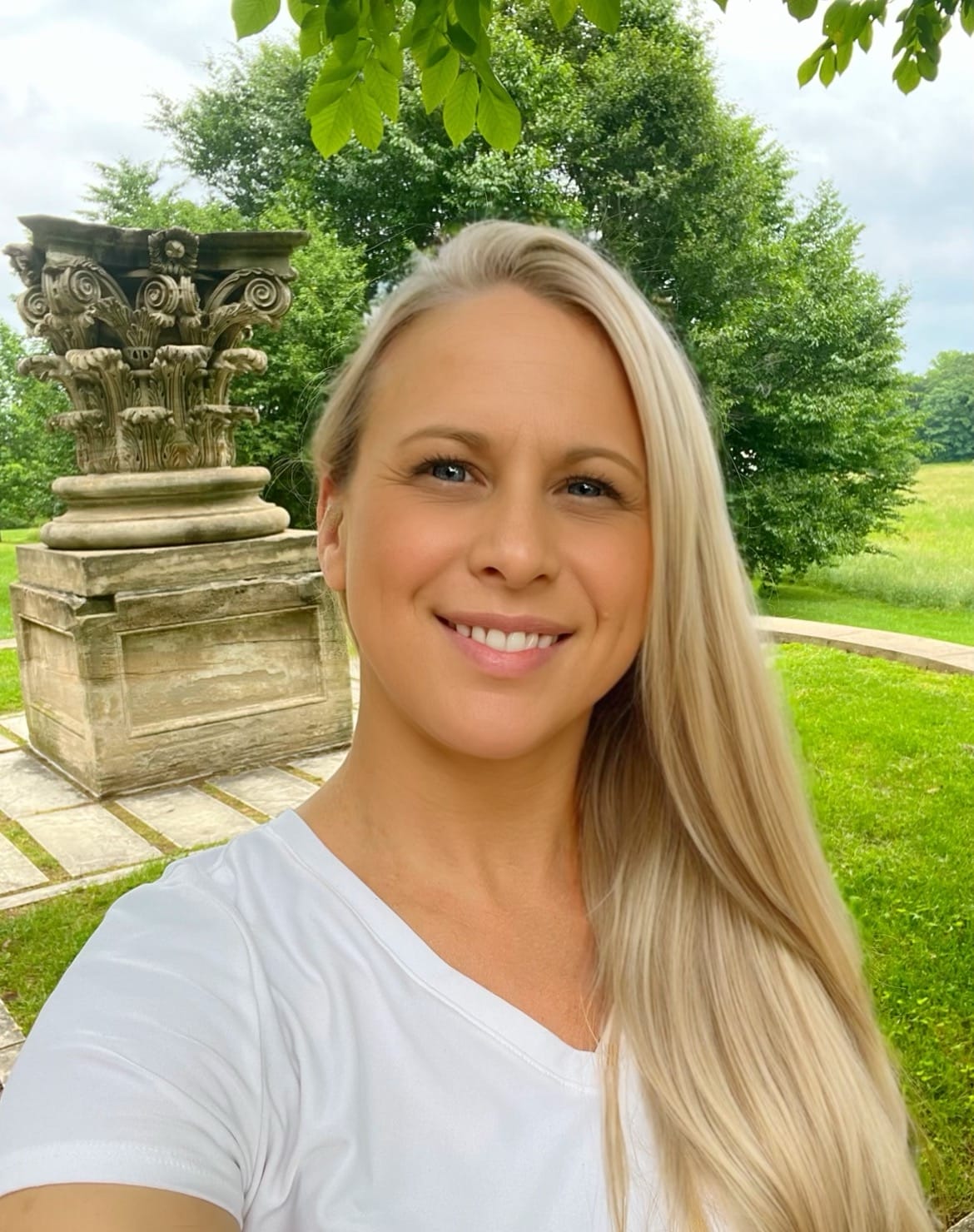
Based in Arlington, Virginia, Veronica Knapp joined the United States Armed Forces in 2000. She served as a regional correctional-facility deputy warden in 2015. During her time in this position, she provided operational, administrative and logistical support to Level I Army Corrections System facilities. Compliance rates improved from 72 percent to 92 percent under her guidance. Veronica Knapp subsequently spent eight years in various organizational leadership positions, such as senior advisor to the commander of a FORSCOM military police battalion and the largest combat-support military police brigade in the Army. She also provided direct support to the 101st Airborne Division as the principal senior enlisted advisor to the Commanding General.
Veronica Knapp took on the role of computation analyst for the Armed Forces in Washington, DC in 2024 where she performs a depth of statistical analysis with a focus on deriving key insights from data to improve military decision-making processes.
Veronica Knapp studied criminal justice at Upper Iowa University in Fayette. Her career achievements include being the first woman to lead an active duty infantry division and numerous award and decorations through her 25 year career.
What is your typical day, and how do you make it productive?
My day revolves around managing administrative tasks and analyzing data. I start by reviewing my to-do list and prioritizing the most critical tasks, especially those with tight deadlines. I block out time for deep-focus work and reserve time to respond to emails and handle routine administrative duties. This structured approach helps me to stay on top of a high volume of work and ensures that I can dedicate the necessary attention to detail required for my role. Additionally, I reserve one hour before or after work for exercise.
How do you bring ideas to life?
Conducting research, brainstorming, and collaborating with others with the same or similar objectives.
What’s one trend that excites you?
Automation and robotics in healthcare can enhance diagnostic precision and improve surgical outcomes.
What is one habit that helps you be productive?
Making detailed lists.
What advice would you give your younger self?
It is important to take the time to seek out mentors and ask for help. You don’t have to have all the answers on your own, and others can help you see things that you may have missed.
Tell us something you believe almost nobody agrees with you on?
I believe that true efficiency doesn’t come from working faster, but from working smarter by being meticulous and thorough upfront. Many people feel pressure to rush through tasks to get more done, but I’ve found that taking the time to double-check my work and build robust processes for quality control prevents errors that can cost far more time and effort to fix later on.
What is the one thing you repeatedly do and recommend everyone else do?
Set goals with achievable milestones. Without goals, it’s hard to find a meaningful purpose, and negativity can take over.
When you feel overwhelmed or unfocused, what do you do?
I make detailed lists of things to get done and set goals with achievable milestones.
What is one strategy that has helped you grow your business or advance in your career?
Seeing things from another person’s perspective before making a decision or taking action.
What is one failure in your career, how did you overcome it, and what lessons did you take away from it?
I’ve had many failures and learned that making mistakes is a natural part of a complex job. When I’ve made an error, I meticulously trace my steps to understand exactly where the process broke down and focus on repairing those areas.
What is one business idea you’re willing to give away to our readers?
An idea I’m willing to share is the development of a software tool or service that helps small businesses and organizations with their administrative and computational analysis needs. Many small teams lack the resources for a dedicated analyst. This service could offer on-demand computational support and administrative automation, helping them to streamline their operations and make more informed decisions without having to hire full-time staff.
What is one piece of software that helps you be productive? How do you use it?
Microsoft Excel is my go-to for boosting productivity. I use it not only for calculations, but as a powerful tool for organizing data and creating dashboards to track my progress on projects. It allows me to present information clearly, which is critical for my role.
Do you have a favorite book or podcast you’ve gotten a ton of value from and why?
Dan Heath’s Upstream: The Quest to Solve Problems Before They Happen provides a different way of thinking to reduce harm caused by problems and prevent them before they happen. The concept of an Upstream versus Downstream mindset is an interesting concept of breaking free from our normal cycle of response. When we have Upstream thinking, we are changing our mindset from a focus on reacting to problems to preventing them.
What’s a movie or series you recently enjoyed and why?
Masters of the Air (nine-part series on Apple TV). Based on historical facts, the series shows the airmen’s courage and commitment to each other and their country. It truly provides a firsthand look at patriotism and what it means to sacrifice.
Key learnings
- Proactive planning and continuous learning are essential for career advancement. Success is found by setting clear goals, establishing milestones, and embracing a mindset of constant improvement.
- The “upstream” mindset of preventing problems over reacting to problems can transform how an individual approaches work. This strategy allows for a more meaningful impact and reduces long-term negative outcomes.
- Leveraging technology, like data analysis software, not only increases productivity, but also empowers individuals to make more informed decisions. Technology becomes a force multiplier for efficiency.