
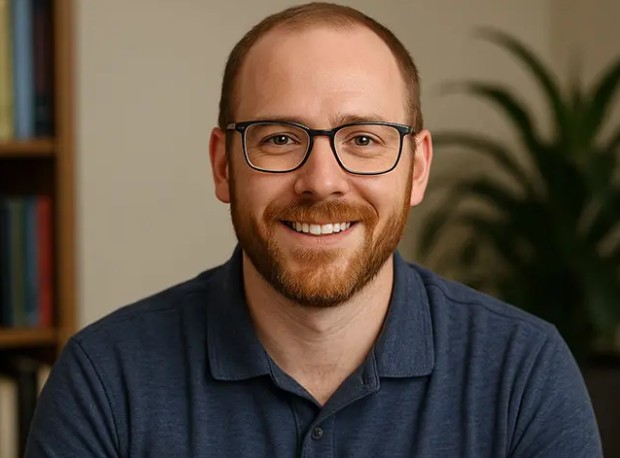
William T. Bridge didn’t grow up chasing fame or fortune. He grew up chasing meaning. Raised in a small town where hard work meant everything, William learned early that success isn’t handed to you — it’s built, day by day.
After college, William started his career at the bottom. He didn’t mind. Every job was a lesson. Every challenge shaped his vision. With a sharp mind and a steady hand, he worked his way up. People noticed. Not because he was loud, but because he delivered.
In his 30s, William launched his first company. It wasn’t flashy — just focused. He believed in solving real problems, serving people well, and staying grounded. That mindset took him far. The business grew, and so did his impact. He mentored others, gave back to his community, and never lost sight of what mattered most.
William’s story is still unfolding. These days, you’ll find him balancing strategy meetings with family dinners, community events, and quiet hikes in nature. He’s a believer in consistency, in staying curious, and in lifting others as you climb.
He doesn’t call himself a role model. But the truth is, a lot of people are watching — and learning.
What is your typical day, and how do you make it productive?
Most days start early. I’m usually up around 5:30 a.m. I don’t look at emails right away — I’ve learned that reaction-based mornings kill momentum. Instead, I stretch, make coffee, and either read a few pages from a nonfiction book or jot down thoughts in a notebook. Around 7, I’ll plan my top three priorities. I’ve learned that productivity isn’t doing more — it’s doing the right things, with intention.
Work kicks off around 8. I block off my mornings for deep work — strategy, writing, or team development — and keep calls or meetings in the afternoon. Evenings are for family, exercise, or walking the dog. I unplug at least two nights a week fully.
How do you bring ideas to life?
I usually start by scribbling—using an old-fashioned pen and paper. I’ll sketch out a loose framework, even if the idea feels half-baked. From there, I pressure test it — usually by talking through it with one or two trusted people. I’m not looking for praise, I’m looking for friction. If it survives that, I move to structure: timelines, resources, and impact.
What’s one trend that excites you?
I’m really interested in the return of craftsmanship — people craving fewer, better things. In business, that translates to specialization, depth over breadth, and the value of thoughtful design. It’s pushing people to be more intentional, not just in what they build, but how they build it.
What is one habit that helps you be productive?
I timebox religiously. I give tasks start and stop times — even small ones like answering email. Parkinson’s Law is real: the work expands to fill the time you give it. When I protect my time, I protect my focus.
What advice would you give your younger self?
Don’t confuse motion with progress. I spent a lot of my 20s chasing opportunities that looked impressive but didn’t actually align with my values. Slowing down to ask, why am I doing this? would’ve saved me time and energy.
Tell us something you believe almost nobody agrees with you on?
I don’t believe in “networking” as it’s traditionally defined. Most people approach it transactionally — what can I get from this person? I think relationships that matter come from shared values, not shared LinkedIn connections.
What is the one thing you repeatedly do and recommend everyone else do?
I block 60 minutes every Friday afternoon to look at the week I just had — wins, mistakes, conversations. No laptop, just a notebook. That time of reflection makes the following week better.
When you feel overwhelmed or unfocused, what do you do?
I walk. No headphones. I just move and let the problem breathe. I usually return with less tension and more clarity. Sometimes, the answer shows up halfway through the walk.
What is one strategy that has helped you grow your business or advance in your career?
I learned to say “I don’t know” early. There’s a strange power in admitting gaps. It opens doors for collaboration and earns more trust than pretending. People appreciate leaders who are curious, not just confident.
What is one failure in your career, how did you overcome it, and what lessons did you take away from it?
I once led a product rollout that tanked. I was so focused on the launch date that I ignored early signs from the user research. We pushed it out anyway, and the reception was brutal. I had to own it, publicly. But the real lesson was this: success doesn’t come from rushing the timeline; it comes from respecting the process.
What is one business idea you’re willing to give away to our readers?
A storytelling service for small-town newspapers that are short on staff. There’s a gap in authentic local journalism. A small team of freelancers could offer community-driven reporting as a subscription service to revive local trust and engagement.
What is one piece of software that helps you be productive? How do you use it?
Notion. I use it to build dashboards for everything — weekly goals, book notes, meeting summaries. It’s my second brain. I’ve also created templates my team can duplicate, which keeps everyone aligned.
Do you have a favorite book or podcast you’ve gotten a ton of value from and why?
The Obstacle Is the Way by Ryan Holiday. It helped me reframe setbacks. Not as detours, but as part of the path forward. I keep a copy on my desk and flip to random pages when I need perspective.
What’s a movie or series you recently enjoyed and why?
The Bear on Hulu. It’s about chaos, pressure, and perfectionism — but also about rebuilding culture from scratch. It’s messy, honest, and full of small leadership lessons if you watch closely.
Key learnings
- Timeboxing and reflective journaling are powerful tools for staying focused and improving week to week.
- Owning failure publicly and learning from it can strengthen leadership credibility and team trust.
- Prioritizing real conversation over transactional networking leads to deeper, lasting relationships.
- Craftsmanship and intentionality — doing fewer things better — is a rising trend with wide applications.
- Walking without stimulation (no phone, no music) is a simple and effective way to process overwhelm.