
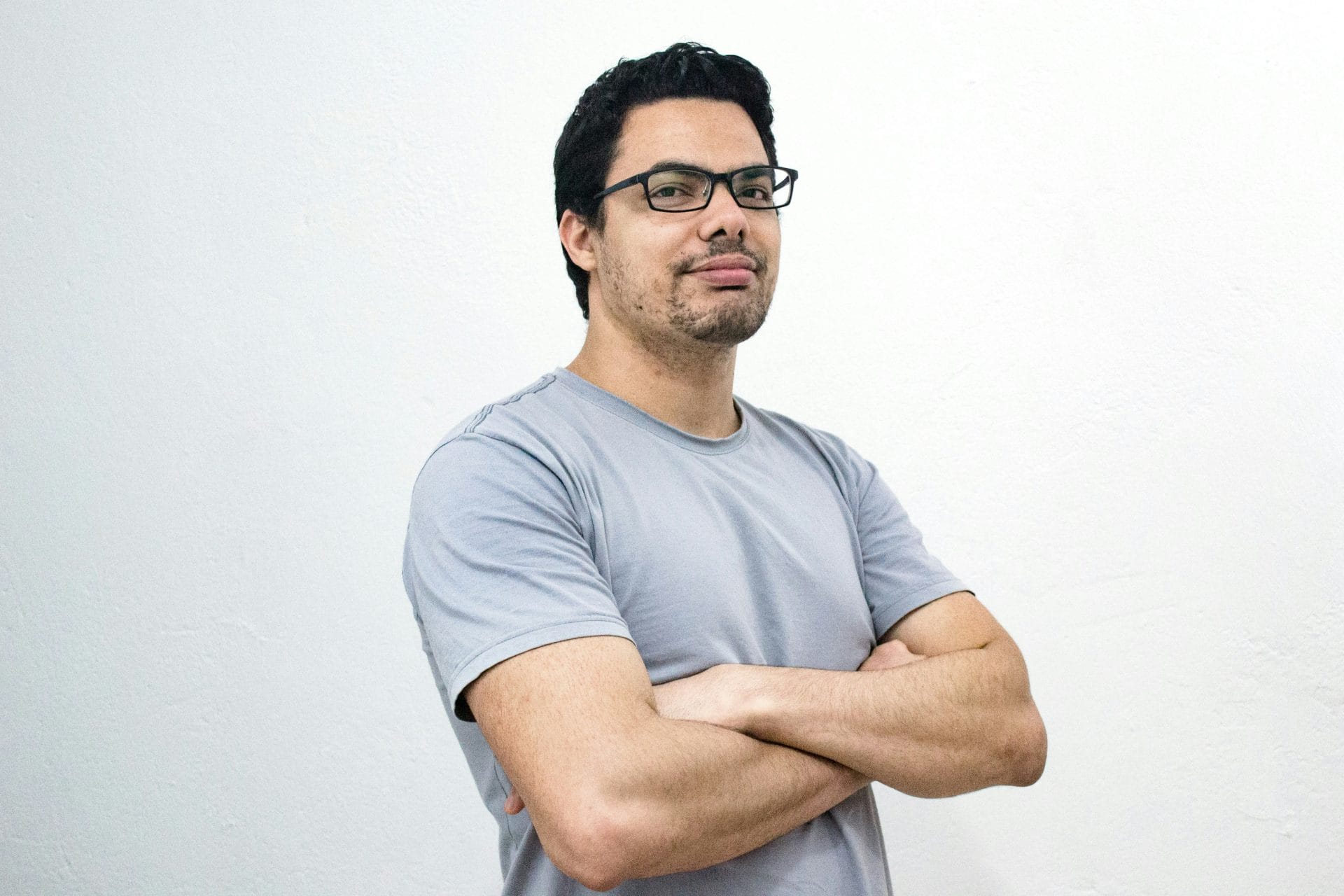
Zachary Feinsilver is a landscape architect based in Boca Raton, Florida, specializing in sustainable, functional, and aesthetically enriching outdoor spaces. With a deep-rooted passion for environmental stewardship, he designs landscapes that seamlessly blend artistry with ecology. Holding a Bachelor of Landscape Architecture from Florida Atlantic University and a Master’s in Urban Design and Sustainability from the University of Southern California, Zachary has worked on everything from residential gardens to large-scale urban developments. His expertise lies in creating green spaces that serve both people and the planet.
Beyond design, Zachary is deeply involved in community initiatives, advocating for sustainable landscaping practices and urban habitat restoration. Whether collaborating with developers, architects, or local organizations, his goal remains the same—to craft outdoor spaces that inspire connection, resilience, and long-term sustainability.
What is your typical day, and how do you make it productive?
Every day is different, which is what I love about my work. Mornings usually start with site visits or design reviews—seeing a project in person helps me fine-tune details that a blueprint can’t capture. Afternoons are a mix of client meetings, project planning, and creative design work. I carve out time each day for research and sketching; staying ahead of new sustainability trends is just as important as refining my designs.
What makes me productive is working with intention. I set clear priorities, focus on deep work when needed, and surround myself with a team that shares my passion for environmental design.
How do you bring ideas to life?
It starts with observation. Every site has its own character, and I spend a lot of time studying the land, climate, and surrounding ecosystem. I ask myself: What does this space need? How can it serve both people and nature?
From there, I move to sketches—quick, rough ideas that eventually evolve into detailed plans. Collaboration is key. I work with engineers, city planners, and horticulturists to refine the vision and ensure it’s functional, sustainable, and long-lasting.
What’s one trend that excites you?
Green infrastructure. The idea that landscapes can actively improve the environment—through stormwater management, urban cooling, or habitat restoration—is incredibly exciting. I’ve been incorporating more rain gardens, bioswales, and permeable surfaces into my designs, and I think the next decade will see a huge shift in how cities integrate nature into urban planning.
What is one habit that helps you be productive?
I take time outdoors every day. Whether it’s a short walk, working in my garden, or kayaking in the Everglades, stepping away from screens and immersing myself in nature clears my mind. Some of my best design ideas come when I’m not actively working on them.
What advice would you give your younger self?
Trust your instincts, but stay adaptable. When I started out, I thought good design was about perfect execution, but I’ve learned that flexibility is just as important. Nature is unpredictable, and no project goes exactly as planned. The best designers embrace that and work with it rather than against it.
Tell us something you believe almost nobody agrees with you on?
Not all green spaces are good spaces. Just because a park exists doesn’t mean it’s effective. I see a lot of developments that add “green space” as an afterthought—poorly planned, underused, and disconnected from the surrounding environment. A successful landscape isn’t just trees and benches—it’s a space that people genuinely want to use, and that works with the natural ecosystem rather than disrupting it.
What is the one thing you repeatedly do and recommend everyone else do?
Observe nature more. Whether it’s watching how water moves after it rains or noticing how plants adapt to their environment, nature is the best teacher. The more you understand natural systems, the better decisions you can make—whether you’re a landscape architect or just a homeowner trying to create a low-maintenance garden.
When you feel overwhelmed or unfocused, what do you do?
I reset by stepping outside. A change of scenery—especially one with fresh air and greenery—helps me shift perspective. If I’m completely stuck, I’ll do something hands-on like gardening or sketching. It gets me out of my head and into a flow state.
What is one strategy that has helped you grow your business or advance in your career?
Collaboration. I’ve always made an effort to work with people outside my immediate field—architects, engineers, community planners. It’s broadened my perspective and led to better, more holistic designs. It’s also helped me build a strong network, which is invaluable in this industry.
What is one failure in your career, how did you overcome it, and what lessons did you take away from it?
Early on, I designed a landscape that looked great on paper but didn’t fully consider long-term maintenance. The client struggled to keep up with it, and parts of the design failed. That was a hard but valuable lesson—good design isn’t just about aesthetics; it has to be functional and sustainable for the people maintaining it. Now, I always prioritize practicality alongside beauty.
What is one business idea you’re willing to give away to our readers?
A digital tool that helps homeowners plan sustainable gardens based on their local climate, soil type, and water needs. A lot of people want eco-friendly landscapes but don’t know where to start. A smart app that provides personalized plant recommendations and layout suggestions would be a game-changer.
What is one piece of software that helps you be productive? How do you use it?
I use AutoCAD daily for design work. It allows me to create precise landscape plans and make adjustments in real-time. I also integrate GIS mapping tools to analyze site conditions, which helps with sustainable planning.
Do you have a favorite book or podcast you’ve gotten a ton of value from and why?
I really enjoyed Nature’s Best Hope by Douglas Tallamy. It’s about how we can restore biodiversity in our own backyards by planting native species. It reinforced a lot of what I believe about responsible landscaping and gave me fresh perspectives on how small, local actions can make a big environmental impact.
What’s a movie or series you recently enjoyed and why?
I recently watched Fantastic Fungi, a documentary about the hidden world of mushrooms. It was fascinating—fungi play such a crucial role in ecosystems, from breaking down organic matter to creating underground networks that connect trees. It made me rethink how soil health connects to landscape design.
Key learnings
- Sustainable design goes beyond aesthetics—it must be practical, resilient, and beneficial to both people and the environment.
- Nature is the best teacher—observing it closely can improve everything from design choices to personal well-being.
- Collaboration is key—working across disciplines leads to better, more impactful projects.