
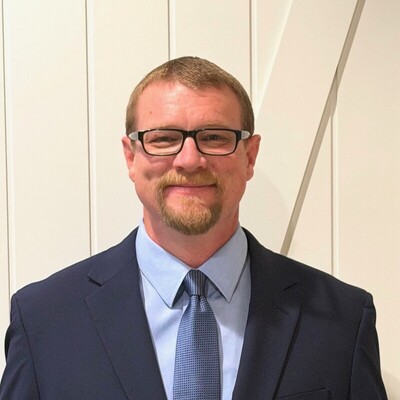
Zachary Grayum has built his career by believing that leadership starts with discipline and grows through service. Based in Fresno, California, he has spent years leading large teams, managing complex operations, and helping people perform at their best. His journey began long before his professional career, shaped by a family that valued education, accountability, and hard work.
Growing up with a father who was a high school teacher and a mother who worked as a substitute teacher, Grayum learned early that success comes from showing up prepared and following through on commitments. Those lessons carried into athletics, where he became a Prep Stars All-American football player, earned All-State Football honors in 1997, and reached the state finals in both the javelin and shot put. His achievements earned him a full football scholarship to Oregon State University, where he also entered the Honors College.
After college, Grayum built a diverse career that included 11 years as General Manager of West Coast Agricultural Construction Co., ownership of Pacific Goldendoodle LLC, and leadership roles managing large business operations and workforce development. Throughout each chapter, he focused on building strong teams, improving systems, and creating environments where people could succeed.
Outside of work, Grayum enjoys skiing, golf, fishing, and traveling. He believes the strongest leaders never stop learning and that steady improvement often produces the biggest results. His career reflects the value of consistency, adaptability, and treating every opportunity as a chance to grow while helping others do the same.
What is your typical day, and how do you make it productive?
I start early because I like having time to organize my priorities before the day gets busy. I review what absolutely needs to be done, what can wait, and who on my team may need support. I’ve learned that productivity isn’t about doing more things. It’s about doing the right things first. Throughout the day I spend a lot of time talking with people, solving problems, and making sure everyone has what they need to be successful.
How do you bring ideas to life?
I break them into small steps. Big ideas can feel overwhelming if you only focus on the finish line. Construction taught me that every project starts with a plan and then moves forward one task at a time. I use that same approach everywhere.
What’s one trend that excites you?
I’m encouraged by the growing appreciation for skilled trades and practical careers. More people are realizing that these professions offer meaningful opportunities to build great careers while solving real problems.
What is one habit that helps you be productive?
Writing things down. I carry a notebook and keep a running list of priorities. Crossing completed tasks off keeps me focused.
What advice would you give your younger self?
Be patient. You don’t have to prove yourself overnight. The people who stay consistent usually have the longest careers.
Tell us something you believe almost nobody agrees with you on?
I think we spend too much time celebrating big ideas and not enough time celebrating people who execute them well. Consistency isn’t flashy, but it’s what creates lasting success.
What is the one thing you repeatedly do and recommend everyone else do?
Ask questions before making assumptions. Whether you’re leading a team or learning something new, listening usually solves problems faster than talking.
When you feel overwhelmed or unfocused, what do you do?
I step away for a few minutes. Sometimes I’ll take a short walk outside or make a fresh list of priorities. I also enjoy fishing because it forces me to slow down and reset my thinking.
What is one strategy that has helped you grow your business or advance in your career?
I’ve always invested time in developing people. Strong businesses aren’t built by one person. They’re built by teams that trust each other. When employees grow, the business grows with them.
What is one failure in your career, how did you overcome it, and what lessons did you take away from it?
Earlier in my management career, I thought solving every problem myself made me a better leader. Instead, it created bottlenecks and limited my team’s growth. I learned to delegate more responsibility, trust people, and coach instead of control. That made both me and my teams stronger.
What is one business idea you’re willing to give away to our readers?
Create a simple mentorship program inside your organization. Pair experienced employees with newer team members for one hour each week. It costs very little, improves communication, and helps people learn faster.
What is one piece of software that helps you be productive? How do you use it?
Microsoft Excel is still one of the most useful tools I use. Whether I’m organizing schedules, tracking projects, or reviewing performance, it helps me keep information clear and easy to understand.
Do you have a favorite book or podcast you’ve gotten a ton of value from and why?
One book I’ve always appreciated is The 7 Habits of Highly Effective People by Stephen Covey. The ideas about personal responsibility, leadership, and putting first things first still apply no matter what industry you’re in.
What’s a movie or series you recently enjoyed and why?
I recently enjoyed Landman. I like stories about large operations, leadership, and solving practical problems under pressure. It reminds me that every industry depends on people working together to keep things moving.
Key learnings
- Break large goals into smaller actions that teams can execute consistently.
- Invest time in developing people because stronger teams create stronger organizations.
- Listen first and ask questions before making assumptions or decisions.
- Consistency, preparation, and accountability often matter more than raw talent.
- Practical leadership is built through service, trust, and steady improvement over time.