
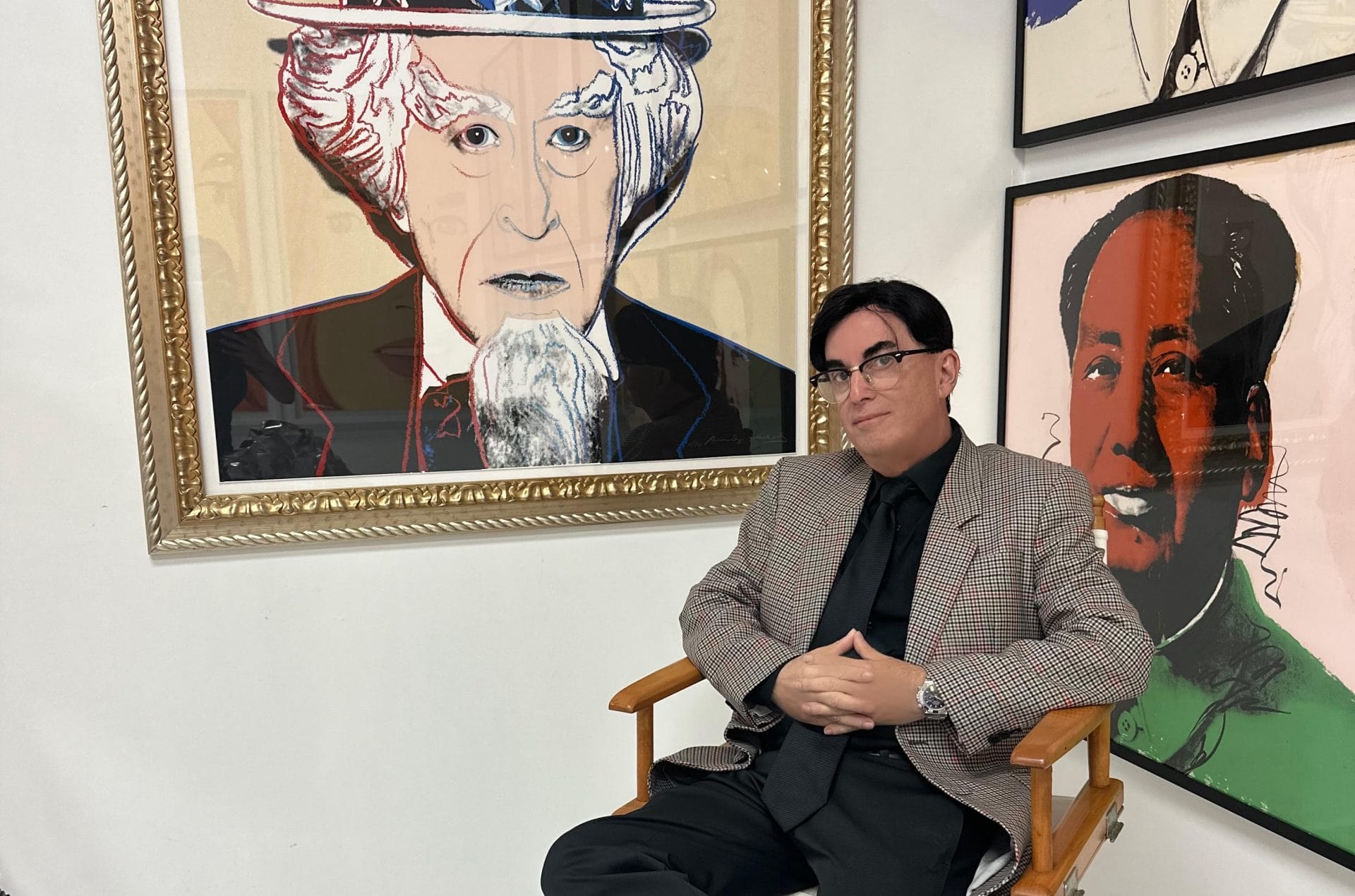
Les Roberts, the Director of Miami Fine Art Gallery, is a visionary leader in the art world. Based in the vibrant city of Miami, Florida, Les has been at the helm of the gallery since 2008, transforming it into a globally recognized destination for collectors and art enthusiasts alike. With a degree in Art History and Business from New York University and an internship at Sotheby’s, Les combines scholarly knowledge with practical expertise to curate collections that celebrate the rich history of classical art while embracing the bold creativity of contemporary works. Showcasing pieces from legends like Rembrandt, Picasso, Warhol, and Banksy, Les is deeply committed to connecting people with art that inspires and provokes. In this exclusive interview, Les shares insights into his daily life, professional journey, and the philosophies that guide his success.
What is your typical day, and how do you make it productive?
My day typically starts early. I like to begin with some quiet time in the gallery before it opens—just me and the art. It allows me to center myself and plan the day ahead. After that, it’s a whirlwind of client meetings, reviewing potential acquisitions, and working with my team to plan exhibitions. Productivity for me comes from being intentional with my time. I set clear priorities every morning, focusing on tasks that align with the gallery’s mission to inspire and connect.
How do you bring ideas to life?
Bringing ideas to life always starts with a spark of inspiration, often triggered by the art itself. Whether it’s curating a new exhibition or planning a client experience, I work collaboratively with my team to flesh out the details. For exhibitions, we dive deep into the narratives behind the pieces, ensuring that the show has a clear story to tell. For client interactions, it’s about understanding their preferences and crafting an experience that feels both personal and memorable. Execution is just as important as ideation—great ideas only matter if you can bring them to life with precision.
What’s one trend that excites you?
The intersection of art and technology excites me immensely. Digital tools are transforming how we experience and interact with art, from virtual exhibitions to augmented reality overlays that bring historical works to life. It’s a game-changer for accessibility and engagement. Seeing people connect with art in new, immersive ways keeps me inspired to innovate within the gallery.
What is one habit that helps you be productive?
I’m a firm believer in routine and consistency. Every morning, I carve out time for reflection and planning. I write down my top three priorities for the day and stick to them, no matter what. This helps me focus on what truly matters and ensures that I stay aligned with my long-term goals.
What advice would you give your younger self?
I’d tell my younger self to trust the process and not rush success. Early in my career, I was impatient, always looking for the next big milestone. Over time, I learned that growth—both personal and professional—takes time. It’s the small, consistent steps that build something meaningful.
Tell us something you believe almost nobody agrees with you on?
I believe that art is for everyone, not just the elite. While many in the industry still view fine art as exclusive, I’ve always pushed for inclusivity. Whether someone is buying a masterpiece or simply enjoying a gallery visit, art should be accessible and inspiring for all.
What is the one thing you repeatedly do and recommend everyone else do?
I recommend stepping back to reflect regularly. It’s easy to get caught up in the day-to-day hustle, but taking time to evaluate your progress and realign with your goals is essential. For me, this means a quiet moment in the gallery, letting the art remind me of why I do what I do.
When you feel overwhelmed or unfocused, what do you do?
I take a step back and immerse myself in art. Walking through the gallery and studying the pieces brings me a sense of calm and perspective. Art has this incredible ability to ground me and remind me of the bigger picture.
What is one strategy that has helped you grow your business or advance in your career?
Building genuine relationships has been instrumental. Whether it’s with collectors, artists, or my team, I prioritize trust and collaboration. People don’t just buy art—they buy the experience, the story, and the connection. By fostering strong relationships, I’ve been able to grow the gallery’s reputation and reach.
What is one failure in your career, how did you overcome it, and what lessons did you take away from it?
Early in my career, I misjudged the market for a particular exhibition and it didn’t resonate with our audience. It was humbling, but it taught me the importance of understanding your clients’ needs and preferences. I now make it a point to involve my team and consult clients early in the planning process.
What is one business idea you’re willing to give away to our readers?
I’d love to see more online platforms for emerging artists, connecting them directly with collectors. There’s so much untapped talent out there, and a well-curated platform could bridge the gap between creativity and opportunity.
What is one piece of software that helps you be productive? How do you use it?
I use Trello for project management. It helps me and my team stay organized, especially when planning exhibitions or tracking client relationships. The visual nature of the tool keeps everything clear and easy to manage.
Do you have a favorite book or podcast you’ve gotten a ton of value from and why?
“The Art Spirit” by Robert Henri has been a huge source of inspiration for me. It’s a timeless exploration of creativity, discipline, and the emotional connection we have with art. I revisit it often to remind myself why art matters.
What’s a movie or series you recently enjoyed and why?
I recently rewatched “Loving Vincent”, a stunning animated film about Van Gogh. The way it brings his paintings to life while exploring his story is absolutely breathtaking. It’s a reminder of how powerful and enduring art can be.
Key learnings
- Art is both personal and universal. Les Roberts believes art should inspire and connect people, regardless of their background.
- Relationships are the cornerstone of success. Building genuine connections with clients, artists, and colleagues has been essential to his growth.
- Innovation and reflection go hand in hand. Embracing technology and taking time for introspection are key to maintaining creativity and focus.