
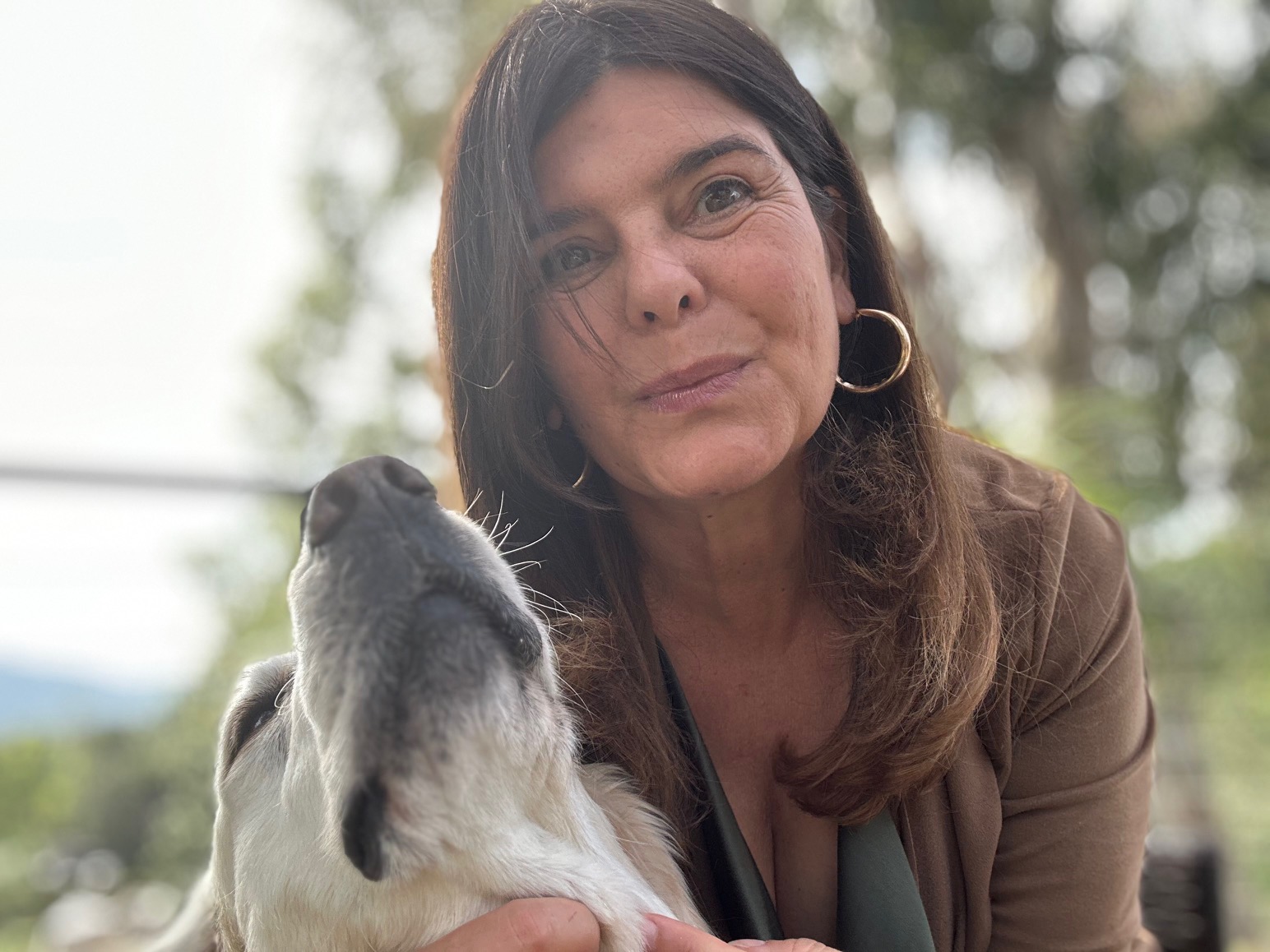
Dr Flavia Pichiorri is a Los Angeles–based cancer researcher and scientific writer whose work focuses on clinical and translational research in multiple myeloma and other blood cancers. Her career has been shaped by a steady commitment to turning complex scientific ideas into real therapies that can help patients.
She was born in Rome, Italy, and grew up in a family rooted in engineering, statistics, and organisational science. This early exposure to structured thinking influenced her approach to problem-solving. At the same time, she spent much of her childhood outdoors, riding horses along the historic Appia Antica. Years of show jumping taught her discipline and resilience, qualities that would later define her work in science.
She studied molecular biology and biochemistry at the University of Rome “Tor Vergata”, where she graduated with top honours. Her early research explored enzyme function and later shifted towards cancer biology, particularly multiple myeloma. After moving to the United States, she continued her research at Thomas Jefferson University and The Ohio State University, where she studied tumour biology and epigenetic mechanisms in cancer.
Over time, her work expanded into translational research, focusing on therapies targeting CD38 and CD84, as well as radiation-based approaches. She has contributed to early-phase clinical studies and the development of new treatment strategies.
Today, her work continues to connect laboratory research with clinical application. She remains focused on asking better questions, staying curious, and pushing scientific ideas forward one step at a time.
What is your typical day, and how do you make it productive?
My day usually starts early with reading. I go through recent scientific papers before anything else. It helps me stay grounded in what is actually happening in the field. I try to protect a few hours for deep work, either writing or analysing data. I avoid unnecessary meetings because they break focus. Productivity, for me, comes from doing fewer things with more attention.
How do you bring ideas to life?
I start with a clinical question. For example, why do certain patients not respond to therapy? Then I work backwards into the biology. I test ideas in the lab, refine them, and then think about whether they can move into clinical trials. It is a continuous loop between lab and clinic.
What’s one trend that excites you?
The integration of immune-based therapies with targeted approaches. Especially using things like CD38-directed strategies alongside other treatments. It feels like we are finally combining precision with adaptability.
What is one habit that helps you be productive?
I focus on one task at a time. Multitasking looks efficient, but it often slows real progress.
What advice would you give your younger self?
Do not rush results. Science takes time, and good ideas need space to develop.
Tell us something you believe almost nobody agrees with you on?
I think too much collaboration can sometimes dilute strong scientific thinking. Independent ideas are still very important.
What is the one thing you repeatedly do and recommend everyone else do?
Ask better questions. The quality of your question determines the quality of your work.
When you feel overwhelmed or unfocused, what do you do?
I step away and write. Writing helps me organise my thoughts and regain clarity.
What is one strategy that has helped you grow your business or advance in your career?
Working closely with clinicians. They see the real problems every day. That perspective keeps research relevant and focused.
What is one failure in your career, how did you overcome it, and what lessons did you take away from it?
There were projects that did not translate into clinical results. It was frustrating. But I learned to focus more on patient-driven questions rather than purely theoretical ones.
What is one business idea you’re willing to give away to our readers?
A platform that translates complex scientific papers into simple language for patients and families. There is a gap there.
What is one piece of software that helps you be productive? How do you use it?
Reference management tools like Zotero. It helps me organise papers and connect ideas across projects.
Do you have a favorite book or podcast you’ve gotten a ton of value from and why?
I often go back to classic scientific literature. Older papers sometimes ask better questions than newer ones.
What’s a movie or series you recently enjoyed and why?
I enjoy historical series. They show how ideas evolve over time, which is very similar to science.
Key learnings
- Focus on asking better questions rather than chasing faster answers.
- Real progress comes from connecting research to real-world problems.
- Deep focus and limiting distractions improve long-term output.
- Independent thinking remains critical, even in collaborative fields.
- Curiosity and patience are essential for meaningful scientific work.