
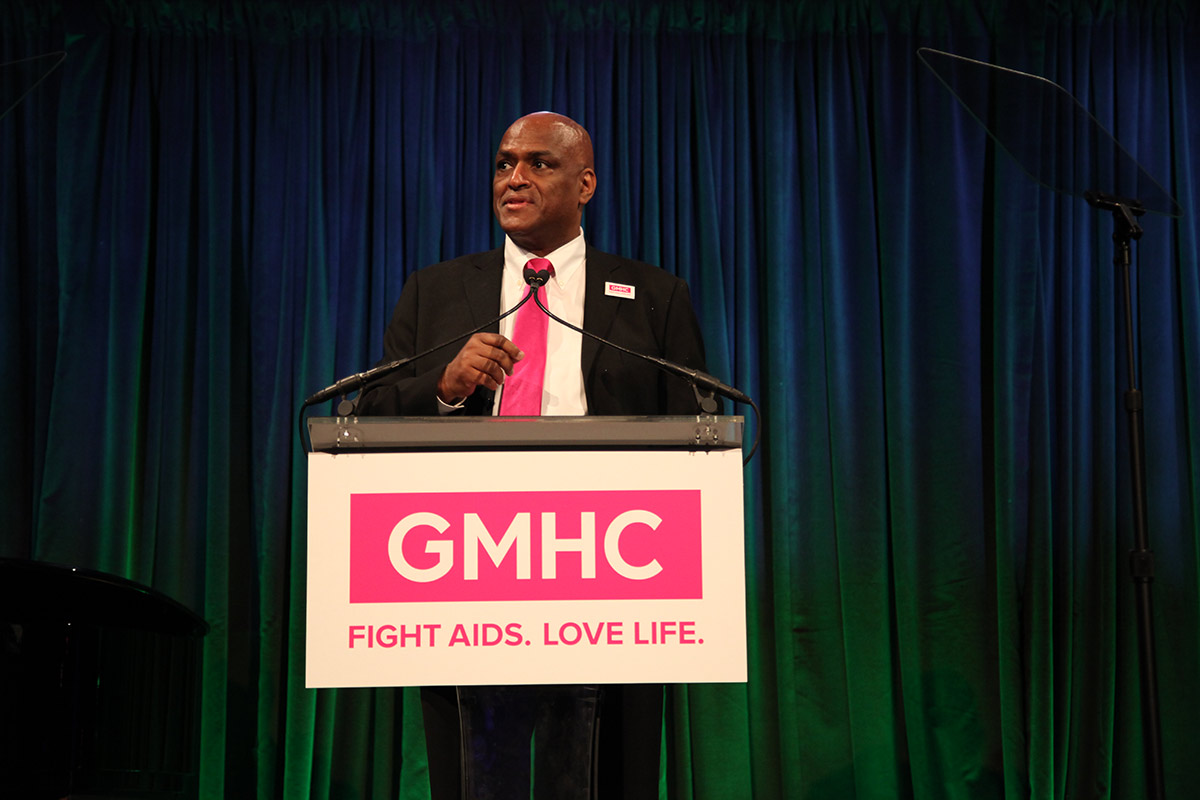
Manuel Rivera was born in 1958 and raised in a New York City public housing development, where he first learned the power of community. Growing up, he saw neighbors organize for better living conditions and fair treatment. Those early experiences shaped his lifelong commitment to social justice and advocacy.
He went on to attend SUNY Stony Brook, studying Political Science and Social Work. There, he gained a deeper understanding of how policy and people intersect. He learned that real change requires both knowledge and empathy. That balance would guide his career.
Manuel dedicated his professional life to addressing homelessness and expanding access to affordable housing in New York City. He worked to create housing opportunities for individuals experiencing homelessness and advocated for policies that strengthened low-income communities. For him, housing was never just about buildings. It was about stability, dignity, and opportunity.
He also became a respected leader within the LGBTQ community. As Chairperson of the NYC Black and Latino LGBTQ Coalition, he helped unite organizations across the city to promote equity and inclusion. Today, he continues his service as Chairperson of the Consumer Advisory Board and a member of the Board of Directors at GMHC (Gay Men’s Health Crisis), helping guide programs that respond to real community needs.
Now retired, Manuel spends his time enjoying Broadway productions and film. His life reflects steady dedication, thoughtful leadership, and a belief that strong communities are built when people choose to show up and serve.
What is your typical day, and how do you make it productive?
These days, retirement looks different from my earlier career, but structure still matters. I usually start my morning reading the news, especially anything related to housing policy, public health, or LGBTQ issues. I still serve as Chairperson of the Consumer Advisory Board and sit on the Board of Directors at GMHC, so I review materials and stay informed. When I was working full time in housing advocacy, my days were packed with meetings, site visits, and policy discussions. I learned to block time for preparation. If I walked into a meeting without knowing the data or the community perspective, I was not doing my job. Preparation made me productive.
How do you bring ideas to life?
Ideas start with listening. Growing up in public housing, I saw that the best solutions came from residents themselves. When working on housing initiatives, I would sit in tenant meetings and take notes before proposing anything. At GMHC, I follow the same approach. You gather feedback, identify patterns, and then build structure around what people are already saying they need. Good ideas are rarely invented in isolation.
What’s one trend that excites you?
I am encouraged by the growing recognition that housing and health are connected. Years ago, people treated them as separate issues. Now more policymakers understand that stable housing improves physical and mental health outcomes. That shift opens doors for smarter programs.
What is one habit that helps you be productive?
I write things down. Even now, I keep a notebook with me. In coalition meetings years ago, I would track who said what and where consensus formed. That habit kept discussions focused and prevented misunderstandings.
What advice would you give your younger self?
I would tell myself to be patient. Early in my career, I wanted change to happen quickly. Policy moves slowly. Community trust takes time. Progress is often measured in inches, not miles.
Tell us something you believe almost nobody agrees with you on?
I believe small community meetings are more powerful than large public rallies. Big events get attention. Small rooms build trust. Real change often begins around folding tables in community centers.
What is the one thing you repeatedly do and recommend everyone else do?
Listen first. Speak second. When I worked with individuals experiencing homelessness, I learned that assumptions can cause harm. Listening builds credibility.
When you feel overwhelmed or unfocused, what do you do?
I step away. Sometimes I take a walk. Sometimes I watch a film or attend a Broadway show. The arts remind me that storytelling shapes empathy. It clears my head.
What is one strategy that has helped you grow your business or advance in your career?
Coalition building. As Chairperson of the NYC Black and Latino LGBTQ Coalition, I learned that uniting organizations creates leverage. When groups present a shared message, policymakers respond differently.
What is one failure in your career, how did you overcome it, and what lessons did you take away from it?
Early on, I pushed for a housing proposal without fully engaging residents. The idea made sense on paper, but the community did not feel ownership. It stalled. I learned that inclusion must happen before policy drafting, not after.
What is one business idea you’re willing to give away to our readers?
Create neighborhood-based advisory panels that include residents, service providers, and local leaders. Meet quarterly. Keep agendas simple. It costs little but strengthens trust.
What is one piece of software that helps you be productive? How do you use it?
I use basic document tools and shared platforms to review board materials and policy drafts. I keep folders organized by issue area. Organization saves time.
Do you have a favorite book or podcast you’ve gotten a ton of value from and why?
I often return to books on urban history and civil rights. They ground me in perspective. Progress takes generations.
What’s a movie or series you recently enjoyed and why?
I enjoy dramas that explore complex characters. They show how personal stories intersect with systems, much like policy work.
Key learnings
- Lasting change begins with listening to the people most affected.
- Coalition building multiplies impact more than individual effort.
- Stable housing is foundational to health, dignity, and opportunity.
- Preparation and patience create sustainable progress.
- Small, consistent actions often produce greater long-term results than large, symbolic gestures.