
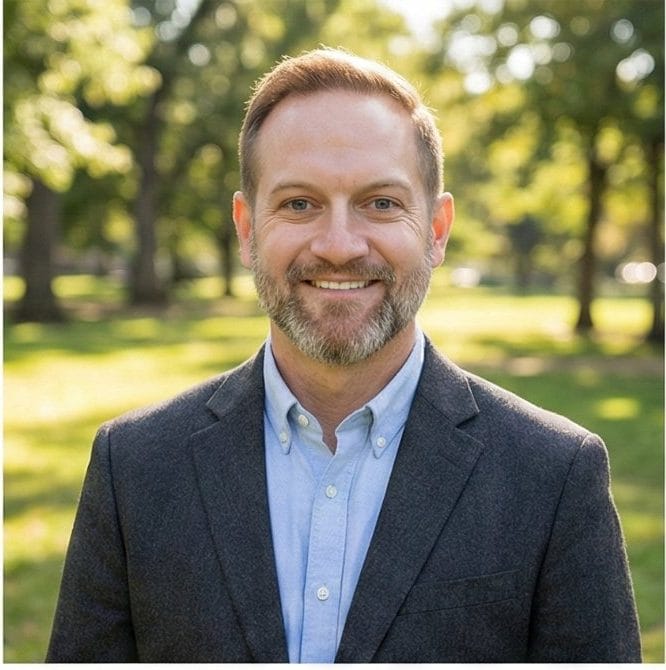
Charles Howenstine DDS is a dentist and practice owner based in Stevensville, Michigan, whose clinical philosophy centers on prevention and the early steps that help arrest dental disease before it progresses. In dentistry, the concept of “arrest” is critical. An arrested condition means that a disease process has stopped advancing. Dr. Howenstine focuses on identifying problems early and applying practical, well-documented methods that arrest decay, arrest gum inflammation, and keep minor issues arrested before they become complex problems.
What is your typical day, and how do you make it productive?
My days start early, usually before the office opens, so I can review the schedule and look over patient charts before anyone walks in. I like knowing what I’m walking into rather than reacting to it. Mornings tend to be reserved for exams and cleanings, and afternoons often involve more involved procedures. I try to build in real time between patients instead of overbooking, because rushed appointments lead to mistakes and missed details. I also block out a short window at the end of the day to catch up on documentation while it’s fresh. That habit alone keeps the practice organized and keeps me from carrying yesterday’s loose ends into tomorrow.
How do you bring ideas to life?
I tend to test ideas in small ways before committing to them fully. If I want to change how we approach a certain type of treatment or patient conversation, I’ll try it with a handful of patients first and pay attention to what actually works in practice, not just in theory. My background in finance taught me to evaluate things methodically rather than emotionally. Once something proves itself on a small scale, I build it into our regular systems and train the team around it. Ideas only matter if they hold up once they’re part of daily routine, so I focus on consistency over novelty.
What’s one trend that excites you?
I’m encouraged by the growing emphasis on early intervention and prevention in dentistry rather than waiting until problems require major repair. Patients are becoming more aware that conditions like early decay or gum inflammation can often be stopped, or arrested, before they turn into something that needs a crown, a root canal, or surgery. That shift in mindset changes the entire patient relationship. Instead of just fixing damage, we get to spend more time educating people and monitoring small changes over time. It makes dentistry feel more proactive and less reactive, which is exactly the direction I think the profession should be heading.
What is one habit that helps you be productive?
I document everything as I go rather than letting notes pile up. Coming from a finance background, I learned early that incomplete or delayed records create problems down the line, whether you’re tracking numbers or tracking a patient’s treatment history. So after every appointment, I take a few minutes to make sure the chart is accurate and complete before moving to the next patient. It feels small, but it prevents confusion later and makes follow up appointments much smoother. Clear documentation also helps the whole team stay aligned, since anyone can look at a chart and understand exactly where a patient stands.
What advice would you give your younger self?
I’d tell myself that an unconventional path isn’t a wasted one. I spent time in finance before going back to school for dentistry, and at certain points it felt like I was starting over. Looking back, that experience shaped how I run my practice today, from how I evaluate decisions to how I think about long term planning. I’d remind myself to be patient with the process and trust that different experiences add up to something useful, even when the connection isn’t obvious yet. Nothing was wasted time, it just took longer than expected to see how the pieces fit together.
Tell us something you believe that almost nobody agrees with you on?
I believe a lot of dental disease gets treated more aggressively than it needs to be. Early decay and early gum inflammation can often be stopped, or arrested, without jumping straight to drilling or surgery. Patients are conditioned to think a cavity always means a filling and that bleeding gums always mean a deep cleaning, but that’s not always true if the issue is caught early enough. Many dentists are trained to act the moment something shows up rather than monitor it responsibly first. I think more conditions deserve a watch and manage approach before moving to more invasive treatment.
What is the one thing you repeatedly do and recommend everyone else do?
I tell every patient the same thing: don’t skip your routine checkups, even when nothing feels wrong. Most serious dental problems start small and quiet, with no real pain or symptoms in the early stages. By the time something hurts, it’s usually progressed further than it needed to. Regular visits let us catch decay or gum inflammation while it can still be arrested with simple, conservative care. I follow this same principle in my own life with regular checkups of all kinds. Catching small problems early is almost always easier, cheaper, and less stressful than dealing with them after they’ve grown.
When you feel overwhelmed or unfocused, what do you do?
I step back and go through my notes and schedule to figure out what actually needs attention right now versus what can wait. Overwhelm usually comes from treating everything like it’s urgent at once. Once I separate the two, things feel manageable again. I also rely on exercise to clear my head, whether that’s a run or getting outside for some fresh air. Physical movement helps me reset in a way that sitting and stressing never does. By the time I’m back at the office, I usually have a clearer sense of priorities and can work through things one at a time.
What is one strategy that has helped you grow your business or advance in your career?
Building consistent systems has made the biggest difference in growing the practice. Early on, I focused on creating clear processes for documentation, scheduling, and patient communication instead of relying on memory or improvisation. That structure, which came naturally from my finance background, made it easier to maintain quality as the practice grew and as more staff joined the team. Patients also notice consistency. When every visit follows the same careful process, trust builds over time. That trust leads to referrals and long term relationships, which have been a bigger driver of growth than any marketing effort I’ve tried.
What is one failure in your career, how did you overcome it, and what lessons did you take away from it?
Early in practice ownership, I underestimated how much time effective patient communication actually takes. I focused heavily on clinical skill and assumed that would be enough, but I had patients who felt rushed or unheard, even when the treatment itself was sound. I had to slow down, build in more time for explanation, and train my team to prioritize communication just as much as procedure. It took deliberate effort to change that habit. The lesson stuck with me: technical skill matters, but patients remember how they were treated as much as what was treated.
What is one business idea you’re willing to give away to our readers?
A subscription style preventive care program for dental practices could work well in a lot of communities. Instead of patients paying per visit and skipping appointments when money is tight, a flat monthly or annual fee could cover routine cleanings, exams, and early intervention treatment. This keeps patients engaged in regular care, which catches problems before they become expensive emergencies. It also creates predictable revenue for the practice instead of relying on unpredictable visit volume. The model rewards prevention for both the patient and the provider, which fits naturally with where dentistry should be headed as a whole.
What is one piece of software that helps you be productive? How do you use it?
We rely heavily on our practice management software to keep scheduling, charting, and billing organized in one place. I use it daily to review the next day’s patients, check treatment history, and confirm nothing falls through the cracks between visits. Having everything centralized means I’m not digging through separate systems or paper files to get a full picture of a patient’s care. It also helps the front desk and clinical team stay coordinated, since everyone is working from the same information. Good software doesn’t replace good judgment, but it removes a lot of friction from daily operations.
Do you have a favorite book or podcast you’ve gotten a ton of value from and why?
I still find myself returning to books and resources from my finance background, particularly ones focused on risk assessment and decision making under uncertainty. That mindset translates directly into how I approach dentistry, especially when deciding whether a condition can be monitored and arrested or needs more immediate treatment. I also value continuing education resources within dentistry that focus on preventive strategies rather than just procedural technique. Combining those two perspectives, financial discipline and clinical knowledge, has shaped how I think about patient care more than any single book or podcast on its own.
What’s a movie or series you recently enjoyed and why?
I enjoy shows that focus on people working through technical or high stakes problems, since there’s something familiar about watching someone think carefully under pressure. It’s a nice change of pace after a day of patient care, and it scratches a similar itch to the analytical work I used to do in finance. I don’t get a huge amount of downtime with three kids and a busy practice, so when I do sit down to watch something, I appreciate stories that reward attention rather than just background noise. It’s a small way to unwind while still keeping my mind a little engaged.
Key learnings
- Preventive dentistry, including the early arrest of decay and gum inflammation, can reduce the need for more invasive treatment when issues are caught early.
- A background in finance can translate effectively into healthcare, particularly through disciplined documentation, systems thinking, and risk evaluation.
- Consistent routine checkups, even without symptoms, play a major role in catching dental problems before they escalate.
- Clear communication with patients is as important as clinical skill in building trust and long term relationships.
- Structured systems for scheduling, documentation, and patient education support both quality of care and sustainable practice growth.