
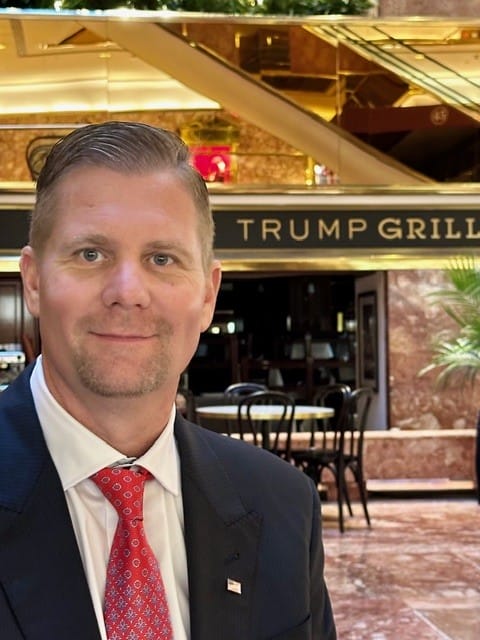
Jason Svonavec is a successful businessman, equipment expert, and community leader whose work reflects the strong work ethic and practical values often associated with Somerset County, Pennsylvania, where he is a native. Known for his hands-on leadership and deep understanding of heavy equipment, Jason currently serves as the Operations Manager of Fearless Leasing, where he focuses on delivering dependable equipment solutions for contractors and blue-collar businesses.
What is your typical day, and how do you make it productive?
My day starts early, usually before sunrise, because equipment problems don’t wait for business hours. I check in with our fleet status first thing, see what’s out on job sites, and identify anything that needs attention before it becomes a bigger issue. A lot of my morning is spent talking to contractors directly, understanding what they need and matching that with what we have available. I try to handle the most pressing logistics and maintenance decisions early when my head is clearest. Afternoons are usually for site visits or hands-on troubleshooting. I keep my schedule flexible because this industry demands it. Productivity for me means staying ahead of problems rather than reacting to them.
How do you bring ideas to life?
I test things in the field before I commit to them fully. If I have an idea about how to improve equipment turnaround or streamline a maintenance process, I try it on a small scale first and watch how it actually performs under real conditions. Heavy equipment work doesn’t leave much room for theory that hasn’t been proven. I also lean on the guys who are actually operating and maintaining the machines, because they see things I might miss from a management seat. Once an idea holds up in practice, I build the process around it and make sure everyone understands why it works, not just what to do.
What’s one trend that excites you?
I’m encouraged by the renewed interest in skilled trades and equipment operation as solid career paths. For years, there was a push toward four-year degrees that left a gap in people who actually know how to run and maintain heavy machinery. Now I’m seeing younger people take genuine interest in this field, and companies investing more in training and mentorship to bring them up to speed. That matters because this industry runs on hands-on knowledge that takes years to build. If we can keep attracting capable people into surface mining, hauling, and equipment maintenance, the whole industry gets stronger and more reliable for the contractors who depend on it.
What is one habit that helps you be productive?
I write things down immediately instead of trusting my memory, especially when I’m out on a site and something needs follow-up. Equipment work generates a constant stream of small details, a part that needs ordering, a contractor who needs a callback, a machine that’s due for service. If I don’t capture it right when it happens, it gets lost in the noise of the day. I keep a simple running list and review it every evening, crossing off what’s done and carrying forward what isn’t. It’s not complicated, but it keeps me from dropping things, and reliability is everything in this business.
What advice would you give your younger self?
I’d tell myself to slow down and really listen before jumping into a fix. Early in my hauling career, I was eager to prove myself and sometimes moved too fast on decisions that needed more patience. Heavy equipment and logistics work rewards people who take time to understand the full picture, the site conditions, the client’s actual needs, the equipment’s history, before acting. I’d also tell my younger self that relationships matter more than any single job. The contractors and crews you treat well early on will be the ones who call you back for years. Reputation in this industry is built slowly and lost quickly.
Tell us something you believe that almost nobody agrees with you on?
I believe that older, well-maintained equipment is often a smarter investment than brand new machinery for a lot of contractors, and that goes against the constant push toward buying new. A rebuilt machine with a documented service history can outperform newer equipment if it’s been cared for properly, and it costs significantly less. People get caught up in the appeal of new technology and warranties, but I’ve seen plenty of new equipment fail because of poor handling, while older machines kept running because someone understood how to maintain them. Knowing how to evaluate and rebuild equipment properly is worth more than most people give it credit for.
What is the one thing you repeatedly do and recommend everyone else do?
I inspect equipment myself rather than relying solely on reports from others. Walking around a machine, listening to how it runs, checking fluid levels and wear points firsthand tells you things that a checklist sometimes misses. I recommend this to anyone in the equipment business, no matter how experienced their team is. It’s not about distrust, it’s about staying connected to the actual condition of what you’re responsible for. That habit has saved us from costly breakdowns more than once, because I caught small issues before they became expensive ones. Stay close to the work, even when you’ve moved into management.
When you feel overwhelmed or unfocused, what do you do?
I step away from the desk and go look at equipment or talk to the crew. Getting hands-on or having a direct conversation usually resets my focus faster than sitting and trying to think my way through it. I also lean on my faith and family during stressful stretches, which helps me keep perspective on what actually matters. Work problems feel a lot more manageable once you’ve grounded yourself outside of them. I try not to make big decisions when I’m overwhelmed. Instead, I deal with the most urgent task in front of me, finish it, and let that small win build momentum for the rest.
What is one strategy that has helped you grow your business or advance in your career?
Building genuine relationships with contractors instead of treating every interaction as a transaction has made the biggest difference in my career. When I worked in heavy hauling, I made a point of understanding each client’s specific challenges rather than just moving equipment from point A to point B. That same approach carried into my role at Fearless Leasing. Contractors come back because they trust that we understand their job site demands and will give them straight answers, not just a sales pitch. That trust translates directly into repeat business and referrals, which matters more in this industry than any marketing campaign could.
What is one failure in your career, how did you overcome it, and what lessons did you take away from it?
Early in my hauling years, I underestimated the complexity of coordinating a large equipment move and it resulted in a costly delay for a client. I had planned the logistics but hadn’t accounted for site access issues that should have been confirmed beforehand. I overcame it by owning the mistake immediately, communicating honestly with the client, and reworking our process so every move included a pre-check of site conditions before scheduling. That failure taught me that experience doesn’t replace thoroughness. No matter how many times you’ve done something, skipping verification steps to save time almost always costs more time in the end.
What is one business idea you’re willing to give away to our readers?
A regional equipment inspection and certification service for smaller contractors would fill a real gap. Many small operators don’t have the resources for a full-time mechanic but still need reliable, documented inspections to keep their machines safe and their insurance and project bids in good standing. A mobile service that visits job sites, performs thorough inspections, and provides clear reports could serve dozens of contractors who currently rely on guesswork or infrequent checkups. It would require deep mechanical knowledge and a strong reputation for honesty, but the demand is there. Rural and small markets especially are underserved when it comes to this kind of dependable support.
What is one piece of software that helps you be productive? How do you use it?
I rely on basic fleet tracking and maintenance scheduling software to keep tabs on where our equipment is and when it’s due for service. It’s not flashy, but it gives me a clear picture across every machine we manage, which is critical when you’re coordinating multiple job sites at once. I use it daily to flag upcoming maintenance before it becomes urgent and to confirm equipment availability when a contractor calls with a need. Having that information organized and accessible saves me from relying on memory or scattered notes, and it keeps our team aligned on what’s happening across the whole fleet at any given time.
Do you have a favorite book or podcast you’ve gotten a ton of value from and why?
I’ve gotten a lot out of books focused on lean operations and practical leadership, the kind written by people who actually ran businesses rather than just studied them academically. What I value most is content grounded in real experience rather than abstract theory, because that’s how this industry actually works. I also listen to podcasts focused on the trucking and heavy equipment industry when I’m on the road, since they keep me current on regulations, market shifts, and what other operators are dealing with. Staying connected to people who understand the day-to-day realities of this work has been more valuable to me than general business advice.
What’s a movie or series you recently enjoyed and why?
I recently watched a documentary series about major infrastructure and construction projects, and I enjoyed it because it showed the scale and coordination behind work that most people never think twice about. Seeing how massive equipment moves, how logistics get planned, and how crews solve problems on enormous projects reminded me why I got into this industry in the first place. It’s easy to take for granted the machinery and planning that make modern construction and mining possible until you see it broken down step by step. I appreciate content that respects the skill and effort behind physical work rather than glossing over it.
Key learnings
- Hands-on experience and direct equipment inspection remain more valuable than relying solely on reports or secondhand information, even in leadership roles.
- Strong relationships built on trust and honest communication with contractors drive repeat business more effectively than sales-focused tactics.
- Investing in proper tools and well-maintained, rebuilt equipment can outperform newer machinery and offers significant cost advantages for contractors.
- Thoroughness and verification, even for routine tasks, prevent costly mistakes that experience alone cannot fully safeguard against.
- A renewed focus on skilled trades and equipment training represents a meaningful opportunity for strengthening the heavy equipment industry’s future workforce.