
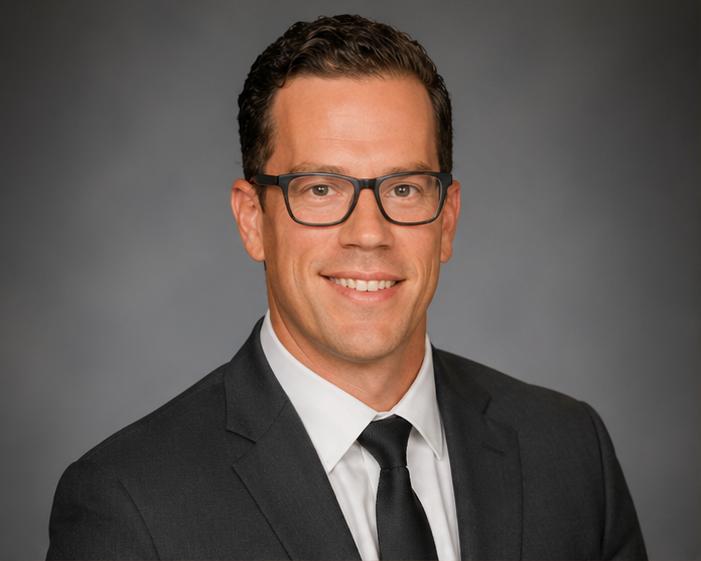
Working in college, club, and high school swimming, Andrew Parro has developed a career that combines coaching, instruction, and program oversight. Based on a background in exercise science, Andrew Parro applies sports performance training principles to athlete development while also handling the operational side of competitive swimming programs. He earned a bachelor of arts in liberal studies from Arizona State University and a master of science in exercise science from Concordia University Chicago, with a focus on sports performance training. His experience reflects steady involvement in recruiting, staff management, curriculum delivery, and long-term training planning.
Mr. Parro serves as associate head swimming coach at Colorado Mesa University. In this capacity, he is responsible for recruiting, coordinating training groups, and supporting team administration. He has also taught kinesiology courses there as an adjunct faculty member. Before that, Mr. Parro worked as aquatic director and head swim coach at Saddle and Cycle Club, head swimming coach at Illinois Institute of Technology, head swimming and diving coach at Whitney Young High School, and founder and head coach of Six Point Aquatics. Across those roles, his work has centered on building programs over time, using research-supported training methods, and helping athletes develop both performance habits and team awareness.
Outside his professional work, Mr. Parro’s interests include mountain biking, ultramarathon trail running, skiing, swimming, and hiking. He has three children.
What is your typical day, and how do you make it productive?
I wake up early since I typically begin work at 6 am for the first of two training sessions per day. I pack a few snacks and try to get to work 15 minutes before the training session begins to review my notes. Training runs until 8 am.
At 8 o’clock, I find some space to take notes and reflect on the training session while it’s fresh in mind and plan for the next session. During the day, I have several meetings with athletes and the other coaches, communicate with prospective student athletes in the recruiting process, and attend to the various administrative duties of running a college swim program.
Our second session of the day is 2:00-4:30 and is a more focused swim session. The training is important and requires a lot of focus and collaboration with the other coaches.
I typically take a recruiting call on the way home and spend time with family.
Exercise is important, and I try to find 30 to 60 minutes every day for my own training.
I make my day productive by staying organized and planning with a calendar that keeps me on task. I keep a notebook handy at all times that tracks tasks and notes throughout the day.
How do you bring ideas to life?
I begin by brainstorming and getting the bones of an idea in writing. From there, I will research expert opinions and rely on the input on my peers. With that knowledge, I will develop the details of an idea and make a plan to implement it.
What’s one trend that excites you?
My career as a swim coach is a large part of my identity. The sport (and most sports) are improving at a dramatic rate. More focused and specific training techniques that are data-driven and research-supported are driving the results in athletics. It’s fun to watch and be a part of.
What is one habit that helps you be productive?
The only way I can be productive is if I maintain my health. Exercise is the primary contributor to my productivity.
What advice would you give your younger self?
Ask more questions, rely on advice more often.
What is the one thing you repeatedly do and recommend everyone else do?
Exercise. Find a way to be healthy by moving your body.
When you feel overwhelmed or unfocused, what do you do?
I rely on my faith and pray regularly. My family is important; time with them can be fulfilling and rejuvenating.
What is one strategy that has helped you grow your business or advance in your career?
Consistency is key. I know what I need to do well and do it consistently. I’m always learning and exploring new things, but they can’t get in the way of the foundational habits that must be done consistently to be successful.
What is one failure in your career, how did you overcome it, and what lessons did you take away from it?
Our 2025 men’s team performance was awful. We overcame this by re-establishing our standards and holding athletes to them on a daily basis.
I learned that past performance is not an indicator of future potential. Hard work is required and there is no substitute for the discipline that’s required to be paired with hard work.
What is one piece of software that helps you be productive? How do you use it?
I use my calendar more than anything. If something doesn’t exist there, I’ll probably forget about it.
What is the best $100 you recently spent? What and why?
The last $100 I spent on travel. Travel is hard to commit to, difficult to plan, and inconvenient to find time for. It’s so worth it. Travel with family is something I must make sacrifices for.
Do you have a favorite book or podcast you’ve gotten a ton of value from and why?
I just finished “The Way of Excellence” and thought it was a wonderful summary and explanation for what striving for excellence looks like on a daily basis. I gained some insightful ways to explain ideas that I previously struggled to articulate. Sharing them with the athletes I coach has been helpful.
What’s a movie or series you recently enjoyed and why?
I enjoyed “Pluribus.” Enough sci-fi that viewers can suspend their disbelief and buy into the story as something that could actually happen. Not so much that it’s totally imaginary. It makes the viewer think about how the storyline could actually be real.
Key learnings
- Passion about your work is important; it drives success in every aspect of life.
- Health is key for the body to pursue excellence.
- Family over everything—they are the only ones who will be with you no matter what.