
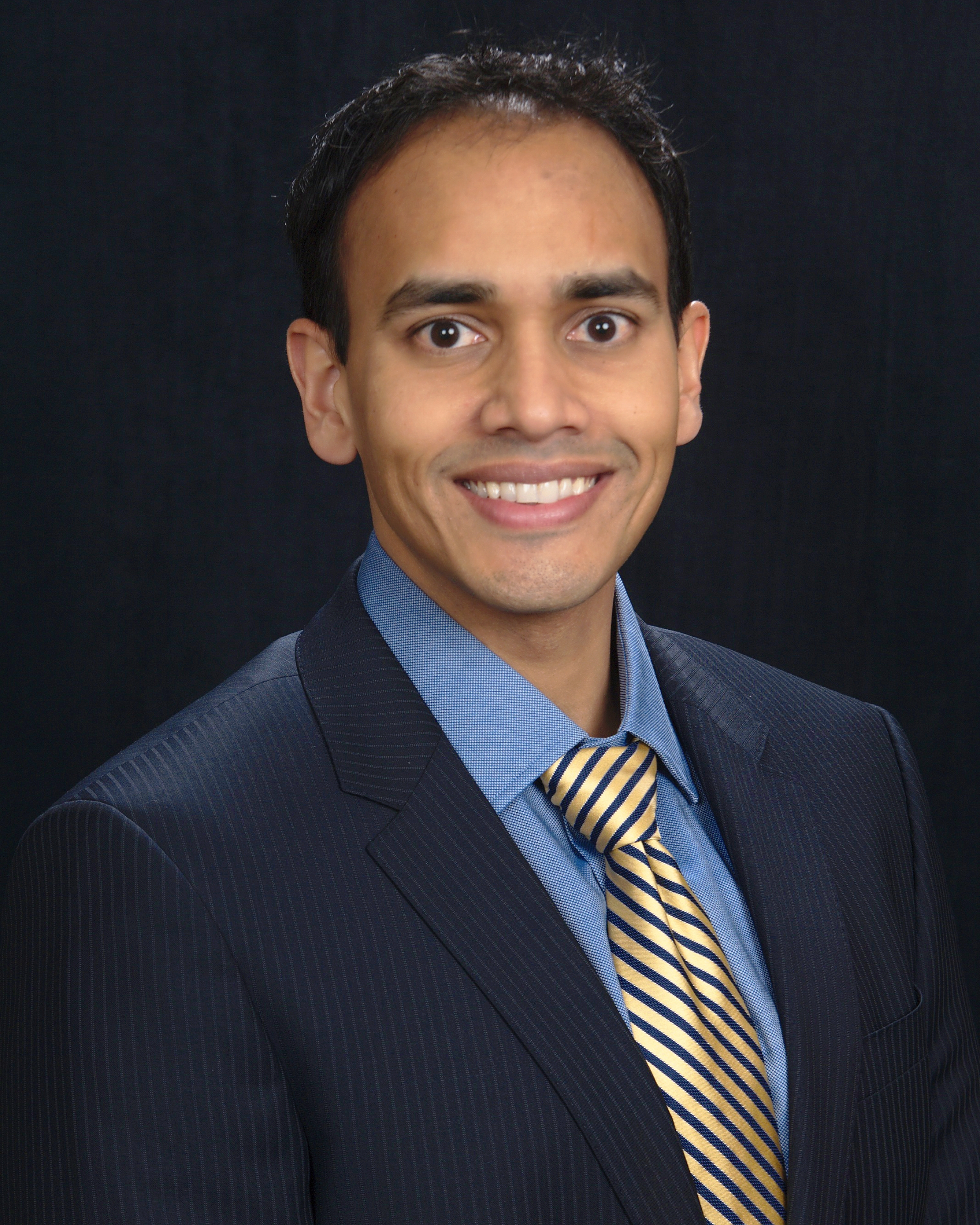
Dr. Nikesh Seth built his career at the intersection of precision and care. Born in Texas and raised in Arizona, he grew up watching his parents work hard to create opportunity. That early example shaped how he approaches both medicine and life.
He attended Horizon High School in Scottsdale before earning a biomedical engineering degree from Johns Hopkins University. There, he developed a mindset rooted in problem-solving and innovation. He also spent time conducting research at the National Institutes of Health, where he learned to rely on data, not assumptions.
Dr. Seth went on to complete his anesthesiology residency at the University of Texas Medical Center and a fellowship in pain management at Northwestern University. These experiences exposed him to complex cases and advanced techniques that would later define his work.
He later founded Integrated Pain Consultants, growing it into a multi-state practice with more than 15 providers and over 10 locations. After its successful sale, he chose to return to a more focused model.
Today, he is the founder and CEO of Global Pain Solutions, a Scottsdale-based practice centered on minimally invasive and regenerative treatments. The practice emphasizes individualized care and structured treatment plans designed to restore function and reduce long-term dependence on medication.
Outside of medicine, he values time with his wife and two children. Whether running, playing tennis, or teaching his son programming, he brings the same discipline to family life as he does to his work.
What is your typical day, and how do you make it productive?
My day starts early. I usually review patient charts before clinic. That gives me a clear plan before I walk into the room. Most of my day is spent seeing patients or performing procedures. I block time between cases to reset and review notes. That keeps things consistent. In the evening, I spend time with my family. Productivity for me is about structure and staying present in each part of the day.
How do you bring ideas to life?
I start by breaking ideas into systems. That comes from my engineering background. For example, when I built my first practice, I mapped out patient flow, staffing, and scheduling before expanding. Then I test small, adjust, and scale slowly. I don’t rush ideas into full execution.
What’s one trend that excites you?
The shift toward minimally invasive and regenerative treatments. Patients are looking for options that reduce downtime and avoid long-term medication. That aligns with where medicine is going.
What is one habit that helps you be productive?
Reviewing the next day before it starts. Even 15 minutes of preparation changes how the day flows.
What advice would you give your younger self?
Focus less on speed and more on structure. Growth without systems creates problems later.
Tell us something you believe almost nobody agrees with you on?
Not every patient needs more treatment. Sometimes doing less is the right decision. That can be hard in a system that rewards volume.
What is the one thing you repeatedly do and recommend everyone else do?
Ask better questions. Whether it’s in medicine or business, clarity comes from asking the right questions early.
When you feel overwhelmed or unfocused, what do you do?
I simplify. I step away and focus on one task at a time. I also lean on routines like exercise. Running helps clear my head.
What is one strategy that has helped you grow your business or advance in your career?
Standardization. When I scaled my previous practice, we created consistent processes for patient intake, procedures, and follow-up. That allowed us to grow without losing quality.
What is one failure in your career, how did you overcome it, and what lessons did you take away from it?
Early on, I expanded too quickly. We added locations before fully building the systems to support them. It created inefficiencies. I corrected that by tightening processes and slowing growth. The lesson was clear: structure first, scale second.
What is one business idea you’re willing to give away to our readers?
A structured follow-up system for chronic care patients. Many practices miss this. Consistent follow-up improves outcomes and retention.
What is one piece of software that helps you be productive? How do you use it?
Our electronic medical record system. I use it not just for documentation, but to track patterns in patient outcomes and refine treatment plans.
Do you have a favorite book or podcast you’ve gotten a ton of value from and why?
Atomic Habits by James Clear. It breaks down how small systems create long-term results. That applies to both medicine and business.
What’s a movie or series you recently enjoyed and why?
I enjoyed The Last Dance. It shows discipline, structure, and consistency over time. That mindset applies to any field.
Key learnings
- Strong systems and structure create sustainable growth and better outcomes.
- Asking better questions leads to clearer decisions and improved results.
- Growth without operational discipline often creates long-term inefficiencies.
- Consistency in small daily habits drives long-term success across fields.
- Innovation works best when combined with careful evaluation and restraint.