
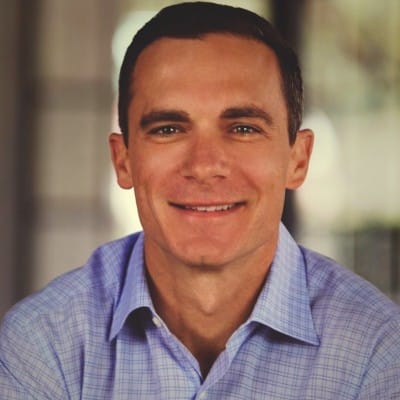
Anthony Siela is a business consultant, investor, and community leader who combines professional expertise with a passion for service, sports, and family. He is the founder of a consulting and investment firm that works with home builders, real estate developers, and home service companies across Texas, Florida, and Arizona. With years of experience in multiple markets, Anthony has guided clients through expansion, operational improvements, and strategic growth, building a reputation as a trusted advisor who blends vision with practical execution.
Anthony’s career reflects his entrepreneurial drive and deep understanding of the construction and home improvement industries. He has helped businesses identify new opportunities, strengthen operations, and create sustainable models for long-term success. His work underscores his commitment to adding value not only for businesses but also for the communities they serve.
Beyond his professional life, Anthony is actively involved in Austin’s community. He volunteers at Saint Ignatius Martyr Catholic Church and devotes time to coaching youth sports, particularly basketball, where he emphasizes discipline, teamwork, and character development. A passionate supporter of athletics and the arts, he takes pride in his children’s accomplishments by celebrating his son’s achievements as a member of the Westlake High School football team and supporting his daughters’ dedication to ballet, including his oldest who dances at the University of Oklahoma.
Whether in business, faith, or family, Anthony leads with dedication and vision, striving to create meaningful impact in every arena of his life.
What is your typical day, and how do you make it productive?
My day begins early with exercise and quiet reflection, which sets the tone for focus and balance. From there, I structure my time around three priorities: strategic client work, team development, and personal learning. I protect deep work hours for analysis and planning, while reserving afternoons for client meetings, coaching sessions, and collaboration. I also schedule time to check in with my team and family. Productivity, for me, is less about doing more and more about doing what matters and aligning tasks with long-term goals and makin sure that my energy is spent on high-impact activities.
How do you bring ideas to life?
I believe ideas gain value only when paired with action. When a new concept surfaces, I test it first against core questions: Does it solve a real problem? Does it align with values? Is it scalable? Once those boxes are checked, I bring stakeholders into the conversation, refining the idea collaboratively. From there, I design a roadmap with clear steps, measurable outcomes, and accountability. What makes ideas come alive isn’t perfection, but momentum—starting small, learning quickly, and adapting as needed. I’ve found that execution, not inspiration, separates ideas that stay on paper from those that change organizations.
What’s one trend that excites you?
I’m excited about the growing focus on human-centered leadership—the recognition that organizations thrive when people thrive. For too long, leadership was defined by command and control. Now, resilience, empathy, and adaptability are gaining traction as core competencies. This trend excites me because it validates what I’ve witnessed in consulting: companies perform best when they invest in culture, psychological safety, and people development. Technology and automation will continue to evolve, but people remain at the heart of success. Leaders who understand this shift will build workplaces that are not only productive but also sustainable and inspiring.
What is one habit that helps you be productive?
One of my most important habits is structured reflection. At the end of each day, I take 15 minutes to review what worked, what didn’t, and what requires follow-up tomorrow. This creates closure for the day and ensures I wake up with clarity and purpose. It prevents overwhelm from carrying over and allows me to continuously learn from my actions. Coupled with early-morning exercise and mindfulness, reflection keeps me grounded and ensures my energy is directed intentionally. Productivity isn’t about constant motion—it’s about consistent alignment between priorities and actions, and reflection provides that daily alignment.
What advice would you give your younger self?
I would tell my younger self: don’t confuse speed with progress. Early in my career, I thought moving fast meant moving forward. In reality, sustainable success comes from clarity, patience, and the discipline to do things right the first time. I’d also remind myself that relationships are just as valuable as results. The people you invest in today often become lifelong partners, mentors, or collaborators tomorrow. Finally, I’d tell myself to trust the journey as every setback teaches resilience, every win builds momentum, and every challenge strengthens character. It’s not about avoiding mistakes but about learning from them.
Tell us something you believe that almost nobody agrees with you on?
I believe that leadership is teachable, not innate. Many people think leaders are “born,” but I’ve seen firsthand that leadership can be learned, practiced, and improved with intention. Traits like empathy, vision, and resilience are muscles that grow through experience, feedback, and reflection. I’ve coached countless individuals who doubted their leadership capacity but, with the right systems and support, became highly effective leaders. The myth of “natural leadership” discourages people from developing their potential. I believe everyone has the capacity to lead in some context. It’s not about personality type, it’s about commitment to growth.
What is the one thing you repeatedly do and recommend everyone else do?
I consistently invest in lifelong learning. Every week, I dedicate time to reading, attending workshops, or studying emerging trends in leadership, psychology, and business. I recommend everyone adopt this habit because industries evolve rapidly, and the only way to stay relevant is to keep learning. This doesn’t have to mean formal education. It can be a book, a podcast, or conversations with mentors. Continuous learning expands perspective, sparks innovation, and helps you anticipate change instead of reacting to it. The most successful people I know never stop being students, no matter how accomplished they are.
When you feel overwhelmed or unfocused, what do you do?
When overwhelm hits, I pause. I step away from my desk, go for a walk, or practice mindfulness breathing to reset my energy. Then I break down the situation into manageable steps, asking: What’s the next best action? By focusing on one step instead of the entire mountain, momentum builds again. I also revisit my priorities, ensuring I’m not chasing tasks that don’t align with goals. At times, overwhelm signals I need to delegate or simply rest. Recognizing that rest is a strategy, not a weakness, has been key. Clarity always follows intentional pauses.
What is one strategy that has helped you grow your business or advance in your career?
One of the most effective strategies has been building relationships before I need them. Too often, professionals focus on networking only when they need clients or opportunities. I’ve made it a practice to invest in people continuously by listening, offering support, and adding value without expectation. Over time, this creates a strong network of trusted relationships that naturally leads to opportunities. This approach has not only grown my consulting practice but has also enriched my career with collaborations, mentorships, and partnerships I could never have predicted. Long-term trust will always outperform short-term transactions in business.
What is one failure in your career, how did you overcome it, and what lessons did you take away from it?
Early in my career, I took on a large project without clarifying expectations upfront. The scope kept expanding, deadlines slipped, and the client grew frustrated. It felt like a failure at the time. But it taught me a vital lesson: clarity is everything. I learned to set boundaries, define success metrics, and confirm alignment before beginning any engagement. Now, every project starts with detailed scoping and clear communication. That early stumble made me a stronger consultant and a better leader. Failures are not dead ends, they’re teachers disguised as obstacles, shaping us for future success.
What is one business idea you’re willing to give away to our readers?
I believe there’s an opportunity for a digital platform that matches small businesses with fractional executives. Many small companies can’t afford full-time leadership roles in finance, operations, or HR, but they desperately need that expertise. A well-designed platform could connect vetted fractional executives with businesses on a flexible, project-based model. This could democratize access to high-level expertise, helping smaller firms scale while creating new opportunities for experienced professionals. I see this as a win-win solution that addresses a growing market need for adaptable leadership in a fast-changing business environment.
What is one piece of software that helps you be productive? How do you use it?
The best $100 I spent recently was on a set of high-quality notebooks and pens. While digital tools are essential, I find that handwriting ideas sparks deeper thinking and creativity. There’s something about putting pen to paper that slows the mind, allows connections to surface, and brings clarity in a way screens don’t. I use these notebooks daily for journaling, brainstorming, and capturing insights from books or conversations. That small investment has paid enormous dividends in focus and creativity. It reminds me that sometimes the simplest tools are the most powerful.
Do you have a favorite book or podcast you’ve gotten a ton of value from and why?
One book that’s been profoundly impactful is “Leaders Eat Last” by Simon Sinek. It reinforced my belief that leadership is fundamentally about service and creating environments where people feel safe to perform at their best. The stories in the book highlighted how culture drives performance, and it has influenced how I guide organizations through transformation. I recommend it to every leader I coach. On the podcast side, I enjoy The Knowledge Project with Shane Parrish, which provides deep insights into decision-making, leadership, and human behavior—topics that directly inform my work.
What’s a movie or series you recently enjoyed and why?
I recently enjoyed The Bear, a series that follows the challenges of running a restaurant. Beyond the gripping storytelling, it resonated because it mirrored real business struggles: chaos, leadership under pressure, and the tension between vision and execution. The show brilliantly captured the human side of business: the emotions, conflicts, and resilience required to build something meaningful. It reminded me of the importance of empathy and adaptability in leadership. For anyone in business, it’s more than entertainment—it’s a lesson in perseverance and people management under high-stakes conditions.
Key learnings
- Clarity drives success—define goals, scope, and expectations upfront.
- Leadership is teachable—anyone can grow with the right mindset and systems.
- Relationships are assets—invest in people before you need them.
- Reflection builds productivity—taking time to pause ensures alignment.
- Results come from execution, not hype—momentum matters more than perfection.