
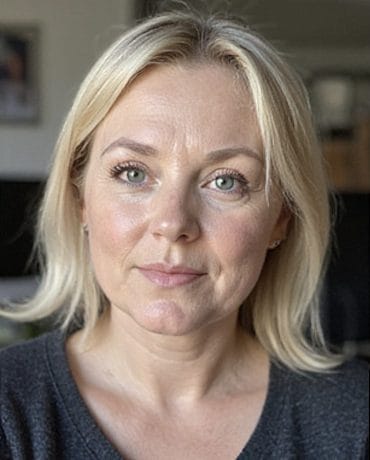
Yana Pacitti is a Miami-based marketing strategist with more than ten years of experience helping brands thrive in today’s digital-first marketplace. She has worked across industries including fashion, luxury, lifestyle, and technology, partnering with companies to discover their authentic voice and connect with audiences in meaningful ways. Known for her precision, creativity, and results-driven approach, Pacitti is a frequent speaker, published contributor, and mentor within the marketing community.
Growing up in Miami’s culturally rich and entrepreneurial environment shaped Yana’s perspective on marketing. She believes that successful branding requires the right mix of timeless storytelling and modern digital strategy. After completing her master’s degree in marketing and communication, she quickly built a reputation for turning complex consumer and market insights into clear, actionable solutions.
Her expertise spans industries such as fashion, luxury, lifestyle, and technology, where she has guided companies in discovering their authentic voice and building deeper connections with their audiences. Known for her precision and innovative thinking, Yana consistently ensures that every campaign is both engaging and results-driven.
Outside of her client work, Yana is active in the wider marketing community. She frequently speaks at conferences across the U.S., contributes articles to leading industry publications, and mentors young professionals entering the field. She is committed to fostering collaboration and believes knowledge-sharing is key to driving innovation.
Passionate and forward-focused, Yana Pacitti continues to shape how brands tell their stories and reach their audiences. Every project she undertakes reflects not only her expertise but also the vibrant energy of Miami that inspires her work.
Her philosophy is simple: marketing isn’t about noise—it’s about connection.
Website: https://yanapacitti.com/
Email: [email protected]
What is your typical day, and how do you make it productive?
My day starts early with coffee and a quick scan of analytics dashboards for clients, giving me a pulse on what is working and what needs attention. I carve out my mornings for strategic thinking and creative work because that is when I am sharpest. Afternoons are for team meetings, client calls, and brainstorming sessions. I stay productive by breaking big projects into smaller, manageable steps with clear deadlines. I also schedule time for reflection, which helps me adjust priorities and focus on what truly matters.
How do you bring ideas to life?
For me, every idea starts with deep listening to clients, to market data, and to cultural signals. Once I identify a concept, I map it against real consumer behavior to see if it resonates. Then I collaborate with designers, copywriters, and digital strategists to build the idea into a campaign. I believe the best ideas come alive when they are grounded in authenticity but executed with flair. I also test small before going big. Pilot versions allow feedback and refinement before scaling, ensuring ideas are actionable and impactful.
What’s one trend that excites you?
I am fascinated by the rise of AI powered personalization. We have moved past generic ads into a space where every consumer interaction can feel individually tailored. Whether it is product recommendations, personalized emails, or dynamic content, AI allows brands to create connections that feel intimate and meaningful. What excites me most is how this can be done without losing the human touch. Technology should never replace storytelling, it should amplify it. This trend pushes marketers to blend creativity with data science, and those who master both will lead the future.
What is one habit that helps you be productive?
I practice time boxing, where I assign specific blocks of time to tasks instead of keeping an open ended to do list. This prevents me from getting lost in perfectionism or multitasking. Knowing I have two focused hours for creative work and one hour for strategy review keeps me accountable. Another habit is journaling at the end of the day. I write down what went well, what could improve, and three top priorities for tomorrow. This clears mental clutter, helps me stay organized, and ensures each day begins with direction.
What advice would you give your younger self?
I would tell my younger self to trust the process and not be afraid of failure. Early in my career, I often second guessed my instincts and tried to do everything by the book. Over time, I learned that mistakes are not the opposite of progress, they are part of it. Each setback sharpened my resilience and taught me lessons no classroom could. I would also remind myself to speak up sooner. Confidence does not mean having all the answers, it means being willing to contribute, learn, and grow.
Tell us something you believe that almost nobody agrees with you on?
I firmly believe that brands should sometimes move slower, not faster. In a culture obsessed with speed, many marketers chase trends without asking if they align with their core identity. I think slowing down to refine messaging, understand customer needs, and build genuine connections creates stronger long term results. Not everyone agrees because fast often looks like progress. But I have seen rushed campaigns fizzle while thoughtful ones endure. In branding, patience is not weakness, it is strategy. Slowing down can accelerate trust and loyalty over time.
What is the one thing you repeatedly do and recommend everyone else do?
I make space every week for unstructured learning. It might be reading a new book, attending a webinar outside my field, or exploring a podcast about psychology or art. The goal is not immediate productivity but expanding perspective. Marketing thrives on fresh ideas, and inspiration rarely comes from spreadsheets alone. I encourage everyone to step outside their bubble regularly. You will be surprised how often a concept from another industry sparks a breakthrough in your own. Curiosity is the ultimate career tool, and feeding it consistently pays dividends.
When you feel overwhelmed or unfocused, what do you do?
When I hit overwhelm, I step away from my desk. Movement clears my mind whether it is a walk around the block, a quick yoga session, or even dancing in my living room. Physical activity resets my brain faster than forcing myself to push through. I also use the brain dump method. I write everything cluttering my head onto paper. Once it is out of my mind and visible, I can prioritize what matters. Reconnecting with my breath, body, and focus helps me return to work grounded and ready.
What is one strategy that has helped you grow your business or advance in your career?
Relationship building has been my strongest strategy. Marketing is often seen as transactional, but at its core, it is relational. I have invested in genuinely getting to know clients, colleagues, and collaborators, not just as business contacts but as people. This means following up, supporting their goals, and celebrating their wins even when it is not directly tied to my projects. Those relationships have created opportunities and referrals I could never have planned for. When you build trust and add value, growth happens naturally. Authentic connections outlast any sales tactic.
What is one failure in your career, how did you overcome it, and what lessons did you take away from it?
Early on, I launched a campaign that leaned too heavily on flashy creative without enough focus on audience insight. It looked beautiful but did not convert. At first, I felt defeated, but it pushed me to study consumer psychology more deeply. I realized that great design only works when paired with clear, data backed strategy. I overcame that failure by rebalancing creativity with analytics. The lesson was simple but lasting, never let style overshadow substance. Today, I use that experience to remind my team that storytelling and data must align.
What is one business idea you’re willing to give away to our readers?
I would encourage someone to build a platform that simplifies influencer partnerships for small businesses. Many startups want influencer marketing but cannot afford agencies or manage the complexity. A transparent, subscription based platform that matches vetted micro influencers with businesses by niche, geography, and budget could fill a huge gap. Influencer marketing should not be reserved for big brands. If someone creates a marketplace that makes it accessible, trackable, and affordable, it could democratize a powerful growth channel and help small businesses compete more effectively.
What is one piece of software that helps you be productive? How do you use it?
I recently spent just under 100 dollars on a beautifully designed journal and set of pens. It sounds simple, but having a tactile, elegant place to capture thoughts has transformed my daily routine. Writing by hand slows me down, helps me process ideas, and sparks creativity in a way typing cannot. That small investment has paid off in focus, clarity, and even better campaign ideas. Sometimes the best money you spend is not on software or tools but on something that reconnects you to your own creative process.
Do you have a favorite book or podcast you’ve gotten a ton of value from and why?
One book that has deeply influenced me is Made to Stick by Chip and Dan Heath. It breaks down why some ideas thrive while others fade, offering practical frameworks for making messages resonate. I apply those lessons every day in branding work. For podcasts, I enjoy Masters of Scale by Reid Hoffman. The interviews with entrepreneurs remind me that even the most successful journeys started with uncertainty, pivots, and persistence. Both resources reinforced my belief that the key to effective marketing is clarity, storytelling, and constant experimentation
What’s a movie or series you recently enjoyed and why?
I recently watched The Bear and was struck by how it captured the intersection of chaos, creativity, and teamwork. As someone in marketing, I related to the pressure of delivering under tight deadlines, the importance of collaboration, and the drive to elevate standards in an unpredictable environment. The show also highlights resilience, how setbacks can either break a team or bond them together. It reminded me of the energy behind creative projects, messy, demanding, but ultimately rewarding when you see everything come together. The storytelling was raw and authentic.
Key learnings
- Authentic connections and relationship building are the foundation of long term business growth.
- Creativity must always be balanced with data and consumer insights.
- Productivity comes from structure, reflection, and prioritization, not doing more.
- Failures are powerful teachers when used to rebalance strategy and vision.
- Curiosity fuels innovation and keeps ideas fresh.