
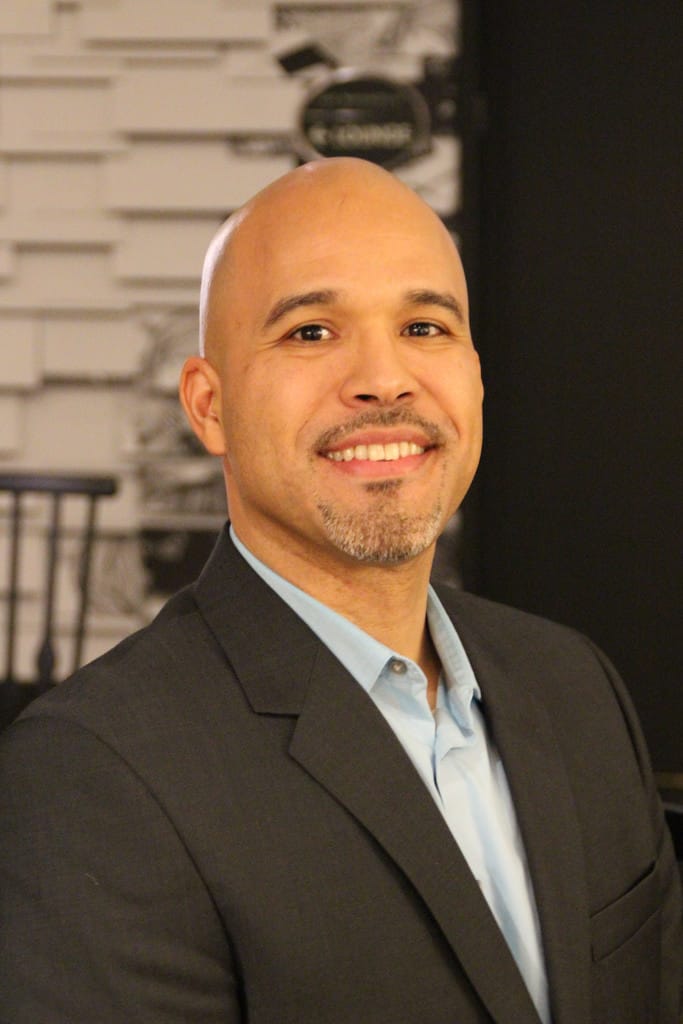
Art Serna is an executive leader, storyteller, and systems change strategist with more than two decades of experience driving transformative impact at the intersection of social good, economic mobility, and enterprise growth. His career has spanned government, nonprofit, and private sectors, where he has consistently designed scalable solutions that align mission with measurable outcomes. Art’s leadership has left a lasting mark on multiple institutions. As a non-profit executive in Milwaukee, he expanded access to medical, behavioral, and dental care for underserved communities while overseeing multi-million-dollar budgets. During his time with Teach For America, he secured $9.5 million in state investment, building a multiyear talent pipeline and alumni network that touched the lives of more than 14,000 students daily. Earlier in his career, he improved efficiency in state contracting at the Texas Department of Family & Protective Services and strengthened governance capacity for charter schools across Texas. Today, Art is the founder of Cosmos Renewed, a Milwaukee-based strategic innovation and systems design studio that helps leaders, philanthropists, and mission-driven institutions reimagine what is possible in an era of complexity and disruption. The firm focuses on community well-being, personalized learning, and regenerative health systems, offering services that blend executive coaching, AI-augmented foresight, and ecosystem design. A first-generation college graduate, AmeriCorps alum, and bilingual communicator, Art combines analytical rigor with creative vision. His work continues to inspire cross-sector partnerships, unlock investment, and guide leaders toward building systems aligned with the future.
What is your typical day, and how do you make it productive?
My days usually begin early with reflection and intentional planning. I carve out time to center myself, review priorities, and align with the bigger vision for the organizations and partners I serve. Productivity for me is not about doing more. It is about creating leverage, setting the right direction, and ensuring every meeting, call, or decision is anchored in long-term impact rather than short-term busyness.
How do you bring ideas to life?
I start by naming the unseen patterns in a system and identifying what is broken, possible, and emerging. Then I bring together diverse stakeholders across sectors to co-create solutions. Storytelling is a significant tool in this process. If people can imagine the future clearly, they are more likely to build toward it. I also rely on rapid prototyping and pilot projects to move ideas from theory to practice.
What’s one trend that excites you?
The rise of AI-augmented systems design excites me. AI can help leaders see hidden connections, simulate scenarios, and design more regenerative strategies when used ethically. Instead of automating outdated systems, we can use these tools to imagine and construct new ones.
What is one habit that helps you be productive?
I make it a habit to zoom out before I zoom in. Taking a wide systems view helps me avoid tunnel vision. Once I see how an initiative fits into the larger ecosystem, I can move into the details with clarity and confidence.
What advice would you give your younger self?
Do not confuse urgency with importance. Move with purpose, but do not let the fast pace of the world trick you into chasing noise instead of meaningful work.
Tell us something you believe that almost nobody agrees with you on?
I believe that incrementalism is often the enemy of progress. Instead of making small fixes to a broken system, I believe the most responsible path is to dismantle it and rebuild with integrity. This is the core of a lean, disruptive mindset that feels radical to many but is proven to win the race over time. It’s about building the future, not just patching the past.
What is the one thing you repeatedly do and recommend everyone else do?
I consistently invest time in bringing people together who normally would not sit at the same table. The breakthroughs that shape the future rarely come from echo chambers.
When you feel overwhelmed or unfocused, what do you do?
I step back into nature or into silence. Both practices remind me that I am part of a much larger story. That perspective helps me regain clarity.
What is one strategy that has helped you grow your business or advance in your career?
Strategic storytelling has been key. Throughout my career, whether it was securing millions in public investment or rallying cross-sector alliances, the turning point came when stakeholders connected to the story of what was possible. Facts and figures matter, but stories unlock commitment.
What is one failure in your career, how did you overcome it, and what lessons did you take away from it?
A key failure early in my career was underestimating how resistant systems are to change. I pushed an ambitious reform agenda without first building the relational trust required for stakeholder buy-in, and the initiative stalled. The experience taught me a critical lesson: genuine transformation requires patience, broad coalition-building, and intentional groundwork before any bold moves can succeed.
What is one business idea you’re willing to give away to our readers?
There is enormous opportunity in designing AI-driven scenario planning services for philanthropic foundations. These organizations face increasing complexity but often lack tools to anticipate long-term systemic shifts. Building ethical, human-centred AI foresight platforms could be transformative.
What is one piece of software that helps you be productive? How do you use it?
Miro has been a game-changer. I use it to map complex ecosystems, align stakeholders visually, and facilitate collaborative strategy sessions that go beyond traditional slide decks.
Do you have a favorite book or podcast you’ve gotten a ton of value from and why?
I’ve gotten immense value from David and Goliath by Malcolm Gladwell. Its central theme: that our struggles and limitations can become our greatest strengths. It iis a powerful mental model for innovation. It shapes how I approach systems change, reinforcing the belief that being lean and resourceful is a greater advantage than simply having the most resources. It’s the quintessential playbook for the underdog.
What’s a movie or series you recently enjoyed and why?
I recently enjoyed Extrapolations on Apple TV. It presents a vivid and at times unsettling view of possible climate futures. While fictional, it challenges us to consider the urgent need for systemic rethinking and regeneration.
Key learnings
- Real transformation requires dismantling broken systems instead of relying only on incremental reform.
- Storytelling is a powerful way to secure investment, build coalitions, and inspire commitment.
- Convening people from different backgrounds creates new insights and solutions that echo chambers cannot provide.
- Ethical use of AI can reshape philanthropy, foresight, and systems design.
- Effective leadership balances bold vision with patience and trust-building.