
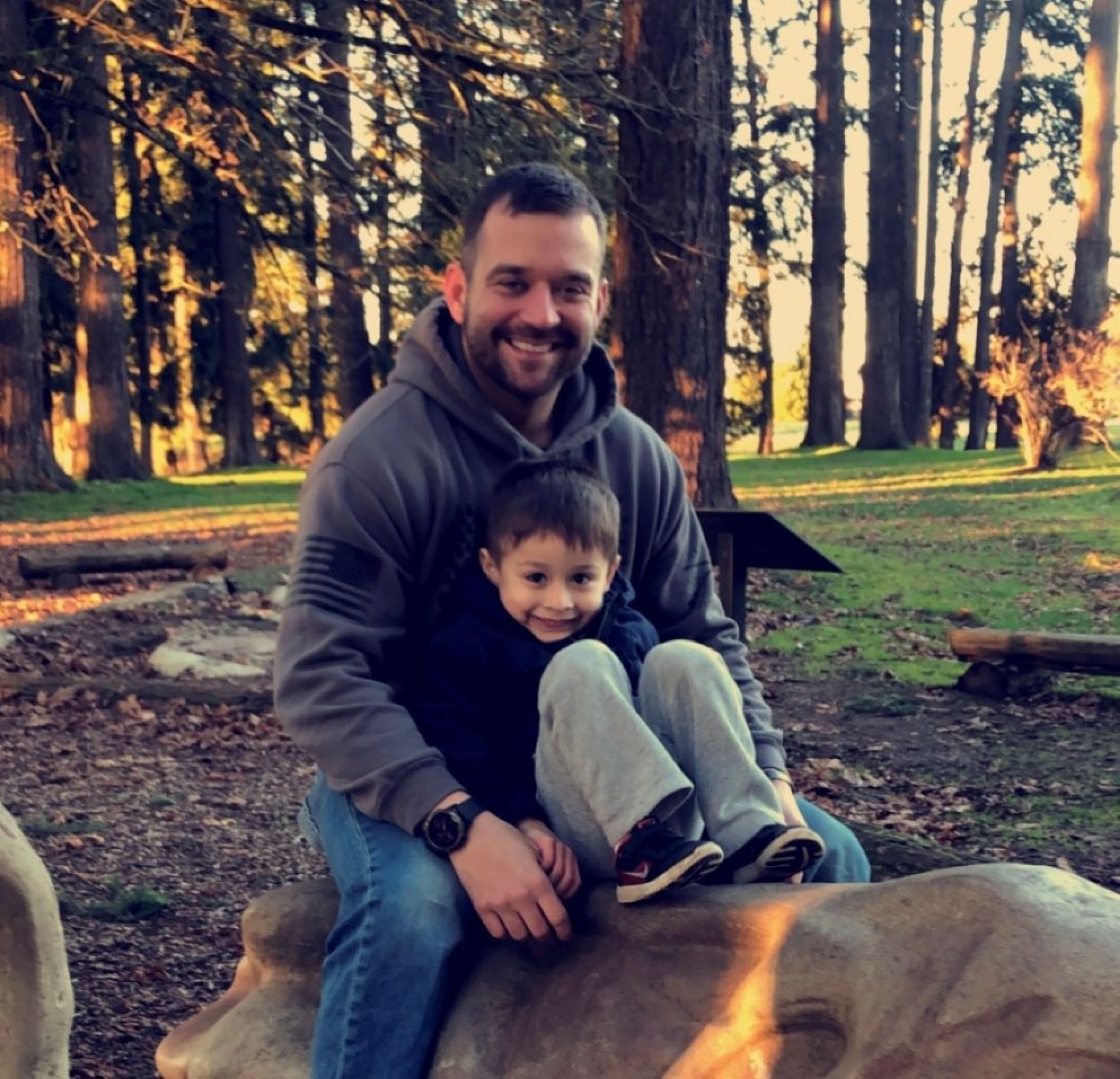
Based in Oregon, Brandon Kearns oversees the delivery of food across a four-state footprint. Performing inspections, he ensures compliant operations and guides safety and security functions for the delivery department. Brandon Kearns also manages labor hours and coordinates schedules for 170 drivers, while ensuring optimal route efficiency and ensuring budget thresholds are met.
From 2003 to 2014, Mr. Kearns served as a fire support sergeant with the US Army in Fort Bragg, North Carolina. Leading a battalion fire-support platoon, he trained soldiers and drafted tactical operations plans and orders. In addition to directing 52 personnel, he worked to ensure that $46 million in equipment was ready for deployment. An American Military University graduate with a degree in military history, he holds qualifications as emergency wilderness medical responder. He’s also rated as a rope- and swift water-rescue technician, and as a public safety diver.
Brandon Kearns maintains a lifetime membership in the 82nd Airborne Division, which takes part in missions worldwide. He has earned Global War on Terrorism (GWOT) expedition and service medals, as well as the Bronze Star, which reflects meritorious service in combat.
What is your typical day, and how do you make it productive?
MY typical day revolves around me getting up around 0530 and instantly making a cup of coffee. After this, I open my computer and check how the early morning work is going tO ensure tHAT issues are addressed and tHAT daily work has started. 0600 begins the morning brief of the situation and issues with what is taking place with all 11 of my supervising staff and operations centre. Additional tasks are delegated/directed to maintain business flow. After the morning meeting, I head into work and check the stats for the day prior and where additional attention and issues need to be corrected by the supporting staff. 1600 is a close out meeting to check all routes and see what is in danger of not being completed. A few routes might be delayed, but 95% of the time all routes are finished. Once work is completed it’s off to home and gym time for an hour of lifting followed by either cardio or 25 minutes in the sauna.
Routine follow-up and organization are what I feel keeps me productive. I ensure that their structure and cadence to the day-to-day operations keeps everyone on task, including myself. If I miss the gym or exercise, I feel sluggish and unmotivated the next day. Giving the staff targetable objectives and focus points of where to concentrate their time and energy helps to facilitate organization while providing support to newer staff who may need the coaching and guidance to become successful.
How do you bring ideas to life?
First, I identify the problem that needs to be addressed and discuss possible courses of action with the team to gather their input. Once we have a clear plan for addressing an issue, I give the staff direction on how to execute it. There should always be follow-up, whether through staff communication, task updates or spot-checking completed work. I live by the principle of “trust but verify.”
What’s one trend that excites you?
I’m not really into trends.
What is one habit that helps you be productive?
Physical exercise is one habit that makes me feel productive. If I start slipping in the area, my mind tends to slip with it. My focus becomes cloudy and my motivation transitions to laziness. Keep your body active and your mind focused.
What advice would you give your younger self?
A colonel one time told me when I was a young man on my way to my first deployment overseas, “If something doesn’t feel right, its probably not.” Instinct is what I would tell my younger self to ensure you pay the upmost attention to it. To this day, the times bad situations have a raised in my lift or disappoint have all stemmed from not listening to my instinct about something.
Tell us something you believe almost nobody agrees with you on?
That there is no such thing as work-life balance. If you want to be successful and strive to be better, it’s going to take work and hours put into it. Unless you grew up with a silver spoon in your mouth, you are the only one who can create the life you want, and that is going to take work and dedication. If you want work-life balance, then you want a normal, mediocre life.
What is the one thing you repeatedly do and recommend everyone else do?
Take care of themselves health-wise. Garbage in, garbage out. You must put the right food in your body and exercise if you want to remain focused and driven. Bad food equals bad results. Bad exercise equals mental fatigue. There’s a military slogan I heard for many years during my service, “You have to keep the body tight If you want the mind right.”
When you feel overwhelmed or unfocused, what do you do?
This occurs when I have bad direction from leadership or if I’m not given the appropriate tools and equipment to be successful. It’s always been a philosophy of mine. If I want results, I need to give you the tools to be successful to do it. When these situations arise, there’s three courses of actions I take. One is to talk to my direct leader on the materials I need in order to make it happen. If that fails, you go to the next echelon of leadership for guidance. The goal is to take care of the troop and business needs. It is not about stepping on toes, but to ensure success. If both options fail, get creative. Can you consolidate equipment, scrap unnecessary parts, and adjust operations to use less equipment on certain days? As a leader, you have to figure it out and “I don’t know” is an unacceptable answer.
What is one strategy that has helped you grow your business or advance in your career?
Be direct and honest with your employees. Most people just want you to be honest and truthful. Telling them what they want to hear or being vague not only tarnishes your leadership and trust, but it also shows a lack of managerial courage. Difficult conversations come with difficult positions, and sometimes you must make decisions not everyone is going to like. However, you also can’t be afraid to be in the trenches with your staff. When it’s all hands-on deck, you better be there, too, showing that you have a vested interest in your employees and you’re there by their side. This has been a strategy that has helped me more often than not. They respect you as a leader, understand your expectations, and know you will have their back during desperate times.
What is one failure in your career, how did you overcome it, and what lessons did you take away from it?
I would say that one area that is and always will be a work in progress is the ability to become more sympathetic and empathetic. Being a combat veteran, it’s sometimes overwhelming for me to identify mY feelings in that manner. I understand that not everyone’s life is the same and that people experience hardship differently. However, I sometimes find it hard to relate to challenges others find overwhelming because my instinct is to work through difficulties and treat them as opportunities to move forward.
What is one business idea you’re willing to give away to our readers?
More of a 501(c) idea. I want to open, hopefully one day, a reactional theory treatment center for struggling veterans. This would be like a multi-day whitewater rafting trip teaching swift water rescue techniques and rope skills for veterans. The evening would consist of therapy sessions with mental health professional to assist veterans and those with disabilities for a different type of therapy. It would be a month-long program with three weeks of training with a week on the water to put those skills to work.
What is one piece of software that helps you be productive? How do you use it?
Artificial intelligence is one technology I have been leaning on more and more, especially with writer’s block or responding to emails to be more tactful and constructive. Using AI to build language and structure has been a great tool. Recently used it for piecing a resume together for my daughter and had her use it for building a resume and how quickly you can get task done to pivot focus on other priorities.
What is the best $100 you recently spent? What and why?
Personally, it wasn’t even $100. It was $9.99. It was an app called Dollarwise that allows me to track my personal finances to keep a better eye on my spending habits on whether it’s a need or a want.
Do you have a favorite book or podcast you’ve gotten a ton of value from and why?
The podcast I enjoy most is Drinking Bros, which was founded by veterans and an actor. The hosts have conversations about politics while also having fun. I particularly enjoy the legal perspective one host brings as a J.D. He talks about the reasons why he feels a certain way and why particular situations were handled in certain ways.
What’s a movie or series you recently enjoyed and why?
A favorite of mine is the Band of Brother series. Just to see the experience and hardships that World War II veterans went through and the different types of leadership you saw. From Captain Sobel to Major Winters. The fact that you might see a leader who looks good on paper may not actual be a good leader. The quiet and candid guy who leads by example can get results.
Key learnings
- Physical activity is important.
- Trust your personal instincts.
- Managerial courage is important.
- Find ways to be resourceful.