
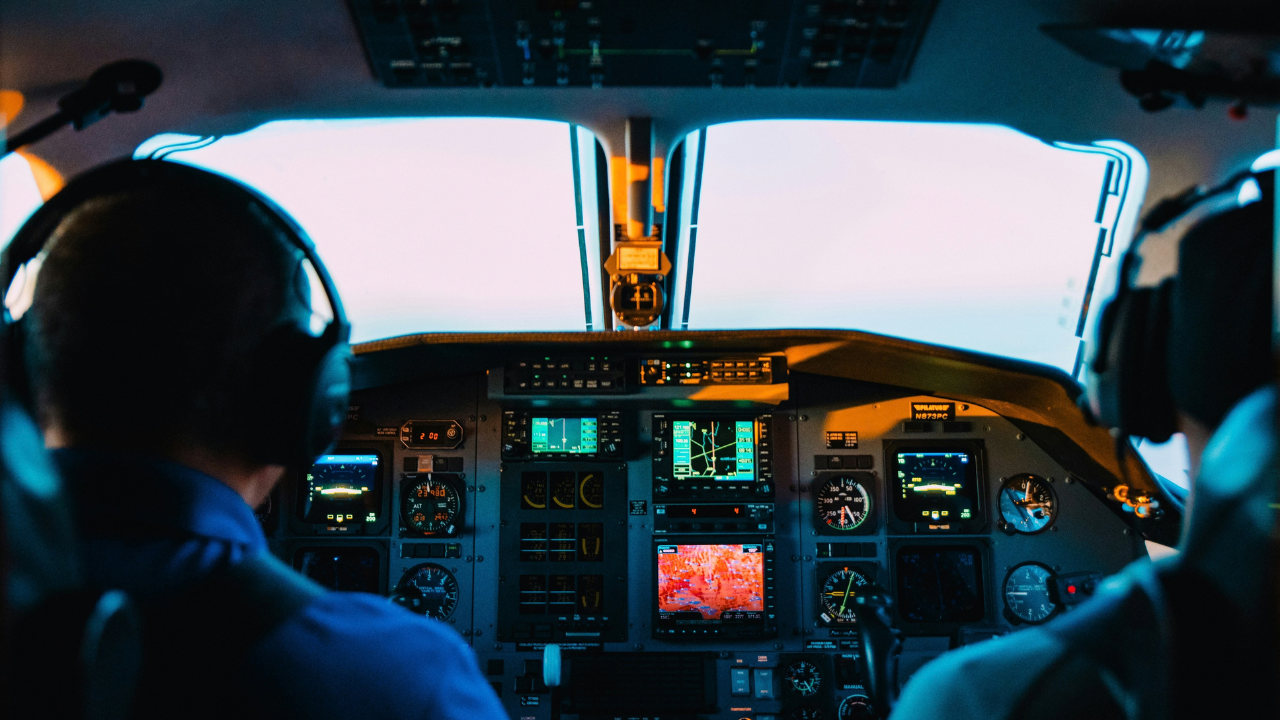
John Phillip Rovenstine is a Dallas-based pilot whose career has been shaped by preparation, discipline, and a long-term commitment to aviation. Growing up in Dallas, he spent much of his younger years playing basketball and football. Sports gave him an early appreciation for teamwork, communication, and the value of being prepared before the pressure starts.
Rovenstine later turned his attention toward aviation and built experience across several types of aircraft. He has logged more than 2,669 total flight hours, including over 880 hours of turbine time. His experience includes flying Cirrus, Cessna, and Diamond aircraft across both single-engine and twin-engine platforms.
A major step in his career came when he served as a First Officer for a regional airline flying the Embraer ERJ-145. The role placed him in a structured commercial aviation environment where cockpit coordination, communication, safety standards, and consistency were part of every flight.
His experience has also extended beyond traditional airline operations. Rovenstine contributed to flight operations with Humanitarian Airlift, allowing him to apply his aviation skills in a mission-driven setting where reliability and teamwork carried additional importance.
Today, Rovenstine holds an ATP licence, maintains a current First Class Medical Certificate, and remains current with his flying hours. He is focused on continuing his career in aviation while bringing a disciplined, collaborative, and safety-focused approach to each opportunity. Away from flying, he enjoys movies, television, sports, and exploring restaurants around Dallas.
What is your typical day, and how do you make it productive?
My days can look different depending on whether I’m flying, preparing for an assignment, or handling things on the ground. When flying is involved, preparation starts well before getting into the aircraft. I want to understand the schedule, weather, aircraft, route, and anything else that could affect the day.
Even when I’m not flying, I like having structure. I’ll take care of anything related to staying current, review aviation material, exercise, and handle personal responsibilities early. I’ve learned that productivity is easier when you deal with the important things before they start piling up.
How do you bring ideas to life?
I usually start by making the idea practical. Aviation trains you to think in steps. You can have a destination in mind, but you still need to work through everything required to get there safely.
I use the same thinking outside the cockpit. I break something down into smaller actions, figure out what can realistically be done first, and adjust as I go. I don’t think every idea needs to be perfect before you start.
What’s one trend that excites you?
I’m interested in how aviation technology continues to improve situational awareness and give pilots better information. Aircraft systems, weather information, navigation tools, and cockpit technology have come a long way.
What interests me most is when technology supports good decision-making rather than replacing it. Pilots still need judgement, communication, and a strong understanding of what is happening around them.
What is one habit that helps you be productive?
Preparing the night before helps me a lot. It can be something simple like checking what I need for the next day, getting my bag organised, or looking over my schedule.
That habit probably comes from flying. When you know what is coming, you spend less time reacting to small things and have more attention available for what actually matters.
What advice would you give your younger self?
I would tell myself not to treat one difficult period as if it defines the entire career. Aviation can be unpredictable. Airlines change, opportunities change, and careers rarely follow a perfectly straight line.
I’d also tell myself to keep building hours, relationships, and experience even when the next step is not obvious. Progress sometimes looks slower than it actually is.
Tell us something you believe almost nobody agrees with you on?
I think being dependable is often more valuable than being impressive. People naturally notice big accomplishments, but in aviation, you build trust by doing the basics correctly over and over again.
Showing up prepared, communicating clearly, being easy to work with, and staying calm are not exciting qualities to talk about, but they matter.
What is the one thing you repeatedly do and recommend everyone else do?
Double-check your own work. That applies to aviation, but it applies almost everywhere else too.
It’s easy to assume you remembered something correctly or completed a task because you have done it many times before. Taking an extra minute to verify something can prevent a much bigger problem later.
When you feel overwhelmed or unfocused, what do you do?
I narrow my attention to the next thing that actually needs to happen. Trying to solve five problems at once usually makes all five feel worse.
Flying teaches you to prioritise. You identify what matters now, handle it, and then move to the next item. I try to use that same approach when things outside aviation feel busy.
What is one strategy that has helped you grow your business or advance in your career?
Staying current and continuing to build useful experience has been important. I have more than 2,669 total flight hours, including over 880 turbine hours, and I’ve worked across airline, humanitarian, and general aviation environments.
Different aircraft and operating environments have taught me different things. Flying an Embraer ERJ-145 as a First Officer was different from flying smaller Cirrus, Cessna, or Diamond aircraft. That range has made adaptability an important part of my career.
What is one failure in your career, how did you overcome it, and what lessons did you take away from it?
There have been periods when my aviation career did not move as quickly or directly as I expected. I think one mistake I made earlier was assuming that if you worked hard and followed the normal path, the next opportunity would automatically appear.
I learned that aviation requires patience as well as skill. I focused on staying current, maintaining my First Class Medical Certificate and ATP licence, and keeping myself prepared for the next opportunity instead of becoming stuck on what had not worked out.
What is one business idea you’re willing to give away to our readers?
I think there is room for a better service connecting experienced pilots with smaller organisations that need short-term aviation support. It could combine pilot availability, aircraft qualifications, currency, and scheduling in one place.
Contract aviation involves a lot of moving parts, and anything that makes matching the right qualified pilot with the right assignment easier could be useful.
What is one piece of software that helps you be productive? How do you use it?
I use ForeFlight because it brings a lot of useful aviation information into one place. I can look at weather, airport information, charts, routes, and other details that help with planning.
What I like about it is that it reduces the amount of time spent searching across different sources while still keeping the pilot responsible for understanding the information.
Do you have a favorite book or podcast you’ve gotten a ton of value from and why?
I like aviation accident analysis and safety podcasts because they look at how a series of small decisions can lead to a larger outcome. The value is not in focusing on the accident itself. It is understanding the decision-making, communication, and human factors behind it.
Those lessons apply beyond aviation because small problems usually become serious when people stop communicating or assume someone else has handled them.
What’s a movie or series you recently enjoyed and why?
I recently enjoyed Top Gun: Maverick. Obviously, it is entertainment rather than a realistic picture of everyday professional flying, but I liked the aviation sequences and the focus on preparation, teamwork, and experience.
I’ve always enjoyed movies and television, so I don’t need everything I watch to connect back to flying. That one just happened to make the connection pretty easily.
Key learnings
- Preparation reduces unnecessary pressure and leaves more attention available for important decisions.
- Career progress does not always follow a straight path, making continued learning and readiness especially valuable.
- Reliability is built through consistent habits such as clear communication, teamwork, and checking your own work.
- When several problems compete for attention, prioritising the next necessary action can make difficult situations more manageable.
- Technology is most useful when it improves access to information while leaving judgement and responsibility with the person using it.