
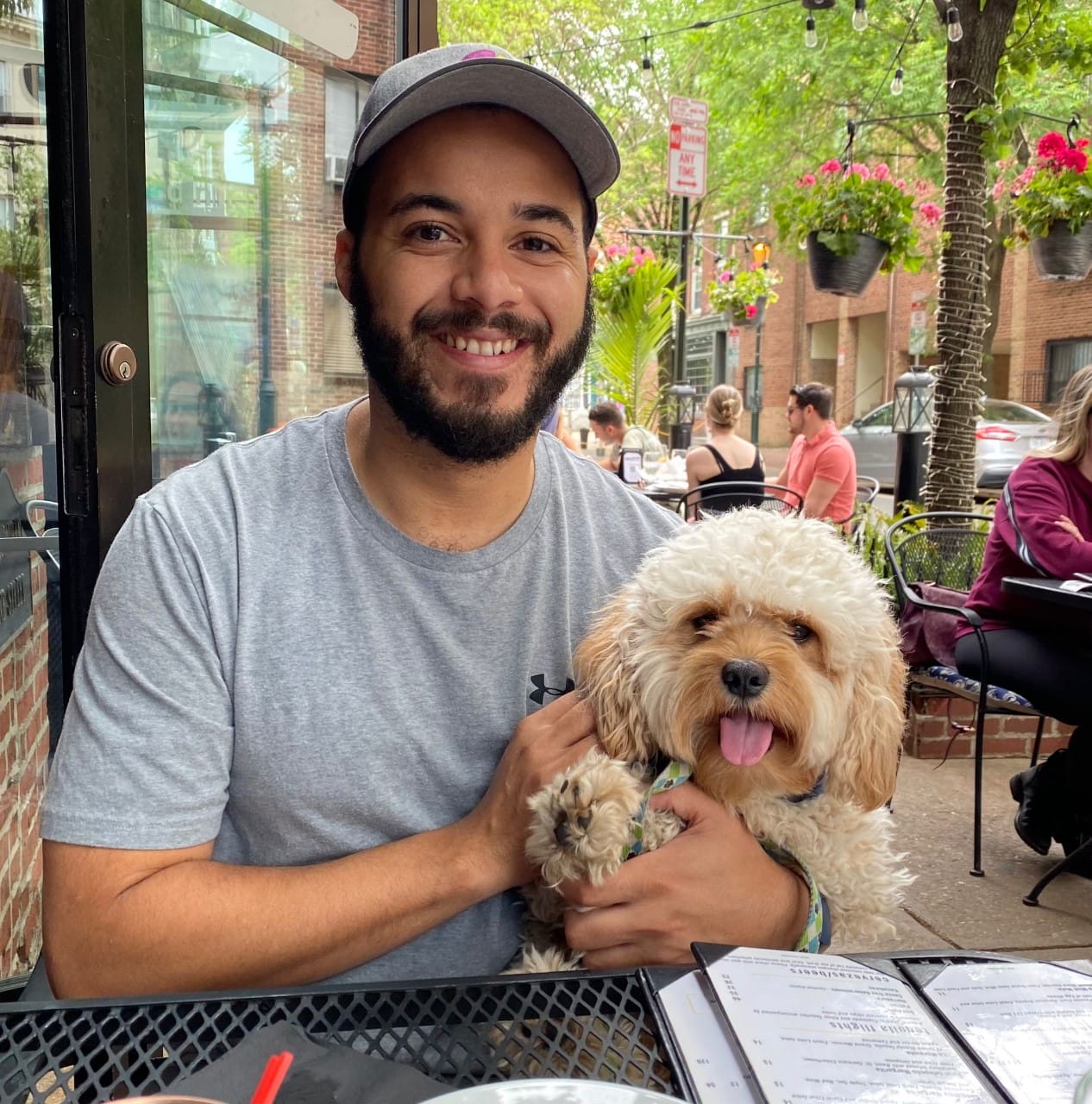
Bruno Fermino is a Pharmaceutical Market Access leader with extensive experience across Patient & Access Services, Trade, Distribution and Channel Operations, Specialty Pharmacy Operations, and Patient/HCP Customer Experience. He holds a Bachelor of Science in Healthcare Administration from Peirce College and an Associate in Applied Science in Computer Technology Support and Administration from Century College – a combination that positions him uniquely at the intersection of healthcare systems, digital platforms, and operational execution. This blend enables him to connect strategic vision with technical implementation and deliver meaningful, scalable solutions across complex healthcare environments.
Bruno has advanced through diverse operational and leadership roles spanning IT support & administration, Contracting and 340B/PHS Compliance, Trade Relations, Channel Operations, and Patient & Access Services. He leads digital experience strategy for healthcare providers, oversees platform enhancements, and drives cross functional alignment across technology, operations, and field teams.
In his current role, Bruno is responsible for HCP and Patient Digital Experience, steering multiple tech forward programs and initiatives that elevate the experience of both providers and patients. His portfolio includes specialty pharmacy program oversight, HUB operations, Hematology & Oncology specialty distribution, HCP and Patient Experience, analytics, vendor and contract oversight, contract negotiation, EPCS (Electronic Prescribing of Controlled Substances) integration, Authorized Generics launches, REMS, DSCSA/serialization, drug sample program management, Annual Verification Season, RFPs, supply forecasting, GTN, drug shortages, patient mentorship programs, and enterprise cross functional project management and leadership.
He received the Jazz Master Award in 2021 – the highest honor at Jazz Pharmaceutical, recognizing individuals who exemplify the organization’s core values and advance its mission to improve patients’ lives. Hundreds of individuals each year are nominated by their peers for the Award, resulting in a selection of a few distinct Award winners.
Outside of work, Bruno is energized by experiences that broaden his perspective and deepen his understanding of people and culture.
What is your typical day, and how do you make it productive?
First, I need to make my bed before I start anything. Take a shower, make coffee, try to read something for 20 minutes, then start studying for my project management certificate that I am taking for about an hour before I start working at 8:00 am. I follow my calendar throughout the day and try to get as much accomplished at work as I can. On the weekend, my days off, I like taking my dog to the local dog park and going to brunch with my partner, Kevin, and friends. It’s important to me that we accomplish something around the house too, usually cleaning. We also like going on walks around the city of Philadelphia and trying new restaurants.
How do you bring ideas to life?
I bring ideas to life by aligning people around a shared purpose. I start by articulating the “why” behind the idea so others can see the value and feel invested. Then I build momentum by identifying champions, clarifying roles, and removing barriers. I believe execution is a team sport, so I focus on communication, accountability, and celebrating progress. When people feel ownership, ideas move from concept to reality much faster.
What’s one trend that excites you?
I’d say the rise of purpose-driven leadership, AI, and human productivity. A trend that energizes me is the growing expectation that leaders operate with purpose, transparency, and values. People want to work for organizations that stand for something real. Another trend that excites me is the shift toward AI augmented work. We’re moving from automation that replaces tasks to tools that enhance human creativity, decision making, and problem solving. What excites me is the potential to free people from repetitive work so they can focus on strategy, innovation, and relationship building.
What is one habit that helps you be productive?
Making my bed every morning. I can’t start the day without making my bed. Beyond that, I rely on a few other habits that keep me grounded and effective. I take a few minutes each morning to review my priorities so I’m clear on what truly matters. I also block time on my calendar for deep work, which helps me avoid distractions and stay present with whatever I’m doing. And at the end of the day, I do a quick reset—clearing my workspace, capturing loose tasks, and reflecting on what moved forward. These small, consistent habits create structure and help me show up at my best.
What advice would you give your younger self?
I would tell my younger self to slow down and appreciate the moment you’re in. You were always looking ahead to the next milestone, but some of the best parts of life happen in the in‑between spaces. Be present, be grateful, and enjoy the process.
Tell us something you believe that almost nobody agrees with you on.
I believe that most problems don’t need complex solutions. People often default to adding more processes, more tools, or more layers. I’m convinced that simplicity, clear goals, clean workflows, and straightforward communication solves more issues than we give it credit for. It’s not a popular belief because complexity can feel more “serious,” but simplicity is usually what drives real progress.
What is the one thing you repeatedly do and recommend everyone else do?
One thing I do regularly is block time for uninterrupted deep work. Even 45 minutes of focused effort can outperform hours of multitasking. I recommend it to everyone because it improves quality, reduces rework, and creates a sense of progress. Additionally, I take time most days to learn something new. Whether that’s by taking a course or watching a YouTube video. It could be a skill, an Excel formula, something about AI or a documentary about an ancient city.
When you feel overwhelmed or unfocused, what do you do?
If I’m unfocused, I give myself permission to step away for a moment for a short walk, a glass of water, or even just standing up and stretching. That small physical reset clears my head and helps me return with more energy and perspective. I also try to meditate something by doing guided meditations. There are some great ones on Spotify.
What is one strategy that has helped you grow your business or advance in your career?
One strategy that has helped me advance in my career is being proactive, anticipating people’s needs before they have to ask. I make it a point to look ahead, identify potential challenges or opportunities, and take action early. This not only keeps projects moving smoothly but also builds trust, because people know they can rely on me to stay a step ahead.
I pair that with clear, early communication. I check in with stakeholders upfront to align expectations, surface questions, and prevent misunderstandings. Keeping people informed, especially before issues arise, has consistently strengthened relationships and reduced friction. Together, these habits have positioned me as someone who brings clarity, stability, and momentum to any team or project.
What is one failure in your career, how did you overcome it, and what lessons did you take away from it?
Earlier in my career, I spent too much time perfecting plans before taking action. By the time I executed, the situation had shifted and the plan was less relevant.
I overcame it by adopting a “test and learn” mindset, starting small, gathering feedback, and iterating quickly. The lesson I took away is that progress beats perfection. Acting early, even with an imperfect plan, creates momentum and better outcomes. My mantra at work is “done is better than perfect.”
What is one business idea you’re willing to give away to our readers?
One business idea I’m willing to give away is a “micro‑reset” app designed for busy professionals. Instead of long meditations or productivity systems, it would offer 30- to 90-second resets throughout the day, breathing prompts, quick prioritization check‑ins, or simple grounding exercises. It’s a small idea, but it meets a real need: helping people stay centered and focused in the middle of fast‑paced work.
What is one piece of software that helps you be productive? How do you use it?
One tool that helps me stay productive is a simple digital task manager. I use it to capture everything on my mind, from big projects and small tasks to reminders so I’m not relying on memory. Having a clear list helps me stay focused, reduces stress, and gives me a sense of control over my day.
What is the best $100 you recently spent? What and why?
The best $100 I spent was on Apple AirPods (maybe it cost a little more than that). Great gadget that I use at work and to listen to podcasts while walking my dog or at the gym.
Do you have a favorite book or podcast you’ve gotten a ton of value from and why?
I listen to “The Daily” podcast and the Wall Street Journal podcasts every day. I also love “Acquired” and “Stuff You Should Know.”
A book I re-read multiple time is “The Alchemist.” Every time I read it, I learn something new.
What’s a movie or series you recently enjoyed and why?
Love “The Crown,” “Deal or No Deal Island” (I hope it comes back), and the entire “House Hunters” franchise (original, international etc.).
Key learnings
- Anticipating needs and staying one step ahead keeps projects moving smoothly and reduces friction for teams.
- Simplicity, clarity, and intentional focus often outperform complexity in both decision‑making and execution.
- Pairing proactivity with early, clear communication is important to prevent misalignment and build rapport.
- Continuous learning and cross‑functional collaboration accelerate career growth and strengthen relationships.
- Maintaining a curious mindset helps people anticipate needs, identify opportunities early, and navigate change with more confidence.