
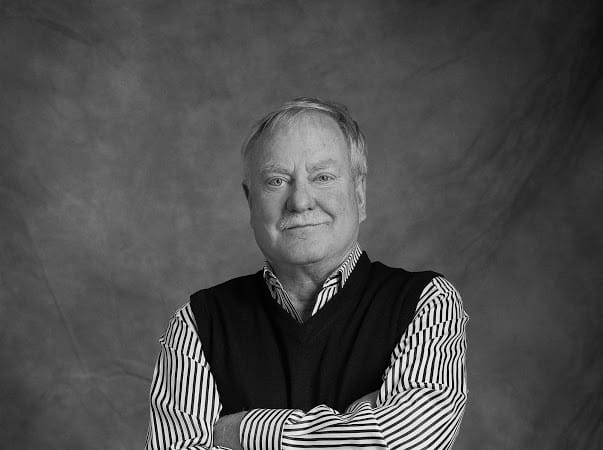
An experienced filmmaker, Carter Boehm is a native of Livingston, Montana. The son of a wildlife documentary filmmaker, he developed an interest in movies at a young age. His family later established the Twilight Drive-In, a drive-in cinema in Livingston. His early industry experience included working at the cinema and as an audio and visual technician for the White House. In 2020, Carter Boehm founded the Yellowstone Film Ranch.
As an executive producer, Carter Boehm has worked on multiple major film productions, including the thriller Broken Ghost, the historical epic Robert the Bruce, and the murder mystery Murder at Yellowstone City. The latter was the first film shot entirely at the Yellowstone Film Ranch, which Boehm owns and finances. His efforts at the production studio have helped strengthen Montana’s film industry. His future plans for the studio involve reinvigorating the Western film genre.
Carter Boehm studied film and television at Montana State University in Bozeman. Outside of his work in the film industry, he is an accomplished real estate professional and land developer.
What is your typical day, and how do you make it productive?
My days are usually split between creative and operational work. I spend time overseeing film development, reviewing scripts and production plans, and coordinating logistics at the Yellowstone Film Ranch. I also remain involved in real estate development projects, which keep me grounded in long-term planning and execution. Productivity comes from staying disciplined, prioritizing what moves projects forward, and remaining hands-on where it matters most.
How do you bring ideas to life?
Ideas become real through collaboration and persistence. Whether it’s a film or a development project, I start by building a solid foundation—finding the right people, location, and timing. From there, execution is everything. Film production taught me that ideas only succeed when paired with commitment and follow-through.
What’s one trend that excites you?
The growing shift toward filming outside of traditional studio hubs is incredibly exciting. Montana’s rise as a film destination shows how regional production can create authentic storytelling while strengthening local economies. Seeing productions embrace new locations and communities feels like the future of filmmaking.
What is one habit that helps you be productive?
Staying deeply involved in the work. I’ve never believed in being distant from projects I care about. Whether it’s walking a film set, reviewing technical details, or managing land development, staying engaged helps me spot opportunities and challenges early.
What advice would you give your younger self?
Trust the long path. Experiences that may not seem directly connected at the time—whether it’s technical work, real estate, or government service—often become the most valuable later. Every step builds skills you’ll use again.
Tell us something you believe that almost nobody agrees with you on.
I believe that owning and controlling infrastructure is just as important as creative vision in filmmaking. Studios, land, and physical production spaces can be just as powerful as scripts and talent when it comes to shaping long-term success.
What is the one thing you repeatedly do and recommend everyone else do?
Invest in places, not just projects. Building something lasting—whether it’s a studio, business, or community—creates opportunities far beyond a single production or deal.
When you feel overwhelmed or unfocused, what do you do?
I return to the fundamentals. I step back, simplify the problem, and focus on what needs to be done next. Years of film production have taught me that pressure is part of the process, and clarity usually comes from action.
What is one strategy that has helped you grow your business or advance in your career?
Diversification. Balancing film production with real estate development has allowed me to build stability while pursuing creative projects. Each discipline informs the other and creates resilience through changing markets.
What is one failure in your career, how did you overcome it, and what lessons did you take away from it?
Like most long careers, I’ve been involved in projects that didn’t reach their full potential. Each experience has reinforced the importance of preparation, adaptability, and surrounding yourself with the right team. Failure becomes valuable when you apply what it teaches you the next time.
What is one business idea you’re willing to give away to our readers?
Develop regional film ranches that combine studio infrastructure with tourism. A working film location that also functions as a visitor experience creates multiple revenue streams while promoting local culture and employment.
What is one piece of software that helps you be productive? How do you use it?
Project management and scheduling tools are essential in both film and development work. Keeping timelines, budgets, and collaborators aligned in one system reduces friction and keeps projects moving forward.
What is the best $100 you recently spent? What and why?
Spending money on tools or resources that improve efficiency is always worthwhile. Small investments that save time or improve workflows tend to quickly pay for themselves.
Do you have a favorite book or podcast you’ve gotten a ton of value from and why?
I’m drawn to stories and content that explore leadership, history, and the creative process. Learning how others navigate complex projects and industries is endlessly valuable.
What’s a movie or series you recently enjoyed and why?
I gravitate toward films that feel grounded and authentic—especially those that use landscape and setting as part of the storytelling. Strong atmosphere and character-driven narratives always resonate.
Key learnings
- Building long-term infrastructure can be just as impactful as producing individual projects.
- Regional film production creates economic and creative opportunities for local communities.
- Diverse professional experience strengthens leadership and decision-making.
- Hands-on involvement helps ideas move from concept to reality.
- Persistence and adaptability are critical in both creative and business ventures.