
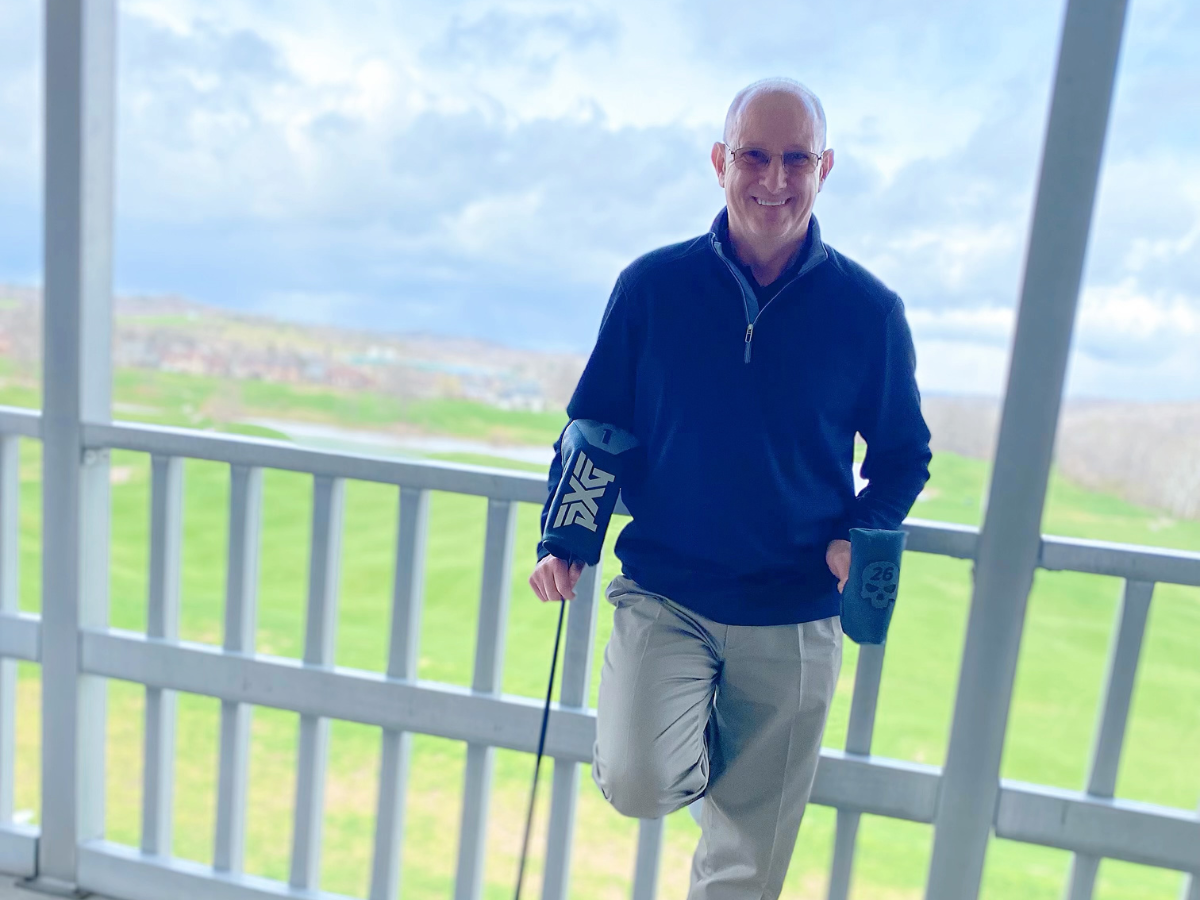
Don Carlos Lee Gibson Jr. didn’t set out to build a career across multiple industries. He simply developed a reputation for solving problems, leading people, and improving the organizations he joined.
A former Military Intelligence Analyst in the United States Army, Don has spent more than two decades in leadership roles spanning golf, hospitality, automotive management, and business operations. From overseeing golf resorts along the South Carolina coast to managing automotive and towing operations in Ohio, he has built his career on adaptability, accountability, and strong relationships.
After earning a degree in Business Management from Virginia College and completing specialized training through the Golf Academy of America, Don went on to lead teams, manage large-scale operations, and drive business growth across a variety of industries. His experience includes roles as a Head Golf Professional, Director of Golf Operations, Senior Director of Operations, and General Manager.
Outside of work, Don dedicates much of his time to serving others through Celebrate Recovery, prison ministry programs, the First Tee Golf Program, and faith-based outreach initiatives. Whether he’s helping a business improve its performance or helping someone rebuild their life, he believes leadership is ultimately about service.
His career path may not have been conventional, but the mission has remained the same: invest in people, solve problems, and leave every organization stronger than he found it.
What is your typical day, and how do you make it productive?
No two days are the same in my world. I usually start before sunrise with prayer, coffee, and a review of my priorities. I’ve learned that if you don’t control your day early, your day will control you. Once I arrive at work, I focus on whatever needs immediate attention, whether that’s reviewing financial reports, helping resolve customer concerns, managing personnel issues, or looking at operational performance.
My career has taken me from military intelligence to golf resorts to automotive and towing operations, and one thing I’ve learned is that productive leaders stay flexible. I focus on the most important issues first and make sure my team has the support they need to succeed.
How do you bring ideas to life?
I start by listening. Too many people become attached to an idea before understanding the actual problem they’re trying to solve. My military background taught me to gather information first and make decisions second.
Once I understand the situation, I build a plan, identify possible roadblocks, and test the idea on a small scale before expanding it. Some of the best improvements I’ve implemented over the years have come from conversations with employees closest to the day-to-day operations.
What’s one trend that excites you?
I’m excited about how technology is helping businesses make smarter decisions. When I started managing operations, lots of decisions were based on experience and instinct alone. Today, leaders can use data to understand customer needs, employee performance, and operational efficiency.
Technology isn’t a replacement for leadership, but it can make good leaders even better.
What is one habit that helps you be productive?
Writing down my priorities every day. Not a long list of everything I could do, but the handful of things I absolutely need to accomplish. That habit helps me stay focused when unexpected problems inevitably show up.
What advice would you give your younger self?
Don’t spend so much time worrying about having the perfect plan.
When I was younger, I thought successful people had every step mapped out. Looking back, many of the best opportunities in my life came from paths I never expected. Stay open to new experiences and focus on becoming valuable wherever you are.
Tell us something you believe almost nobody agrees with you on?
I think most organizations spend too much time trying to motivate people and not enough time removing obstacles.
Most employees want to do good work. If they’re struggling, it’s often because processes, communication, or leadership are getting in the way. Fix those problems, and performance usually improves.
What is the one thing you repeatedly do and recommend everyone else do?
Talk to someone outside your normal circle every day.
Whether it was soldiers in the Army, golfers at a resort, customers at a dealership, or people I’ve met through recovery and ministry programs, I’ve learned that some of the best lessons come from conversations with people whose experiences are completely different from my own.
When you feel overwhelmed or unfocused, what do you do?
I step away for a few minutes and reset. Sometimes that means prayer. Sometimes it’s a short walk. Sometimes it’s spending a little time on the golf course. Golf has taught me that forcing results rarely works. When things feel off, a short reset often provides the clarity needed to move forward.
What is one strategy that has helped you grow your business or advance in your career?
Building relationships before I need them. Throughout my career, opportunities have come through people who trusted me. Whether I was managing golf operations, negotiating contracts, or leading teams, strong relationships consistently opened doors. Trust takes time to build, but it pays dividends for years.
What is one failure in your career, how did you overcome it, and what lessons did you take away from it?
Earlier in my leadership career, I believed I needed to have all the answers. As a young golf operations manager, I tried to solve every problem myself and was involved in every decision. Instead of helping the team, I became a bottleneck. The operation suffered because people were waiting for me instead of taking ownership.
Eventually, I learned that leadership isn’t about being the smartest person in the room. It’s about building people you can trust. Once I started empowering managers and staff to make decisions, productivity improved, morale improved, and so did the business. The experience taught me that great leaders create other leaders.
What is one business idea you’re willing to give away to our readers?
I’d like to see more mentorship-based workforce programs.
There are thousands of retired professionals with decades of knowledge and experience, and young people are entering the workforce who need guidance. Connecting those groups through businesses, schools, and community organizations could have a tremendous impact on both careers and communities.
What is one piece of software that helps you be productive? How do you use it?
Microsoft Excel. It may not be exciting, but I’ve relied on it throughout my career to analyze budgets, identify trends, forecast growth, and make informed decisions. Good information, organized properly, can reveal opportunities that might otherwise go unnoticed.
Do you have a favorite book or podcast you’ve gotten a ton of value from and why?
One book I’ve returned to several times is The Purpose Driven Life by Rick Warren. What I appreciate about it is that it challenges you to think beyond career success and focus on why you’re here in the first place. Throughout my career, whether I was managing golf operations, leading a business, or mentoring someone through a recovery program, I’ve found that people perform their best when they have a sense of purpose. The book reinforced that idea for me.
What’s a movie or series you recently enjoyed and why?
I’ve enjoyed watching The Chosen. What resonates with me is its focus on redemption, growth, and second chances. Those themes connect closely with much of the volunteer work I do through recovery programs, prison ministry, and faith-based outreach. I believe everyone has a story, and sometimes all a person needs is an opportunity to write a better next chapter.
Key learnings
- Career growth often comes from embracing unexpected opportunities rather than following a rigid plan.
- Strong relationships built on trust create lasting opportunities in business and in life.
- Effective leaders focus on removing obstacles and empowering others to succeed.
- Listening to people with different experiences can provide valuable insights and fresh perspectives.
- Success is measured not only by professional achievements but also by the positive impact made on others.