
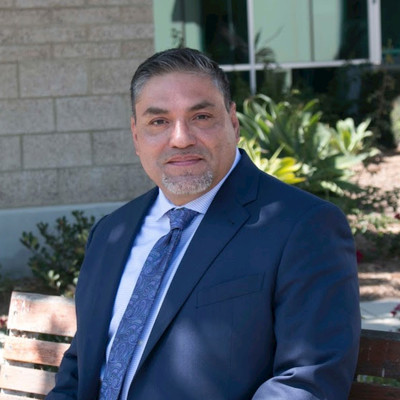
Throughout his more than two decades as a higher education executive, Marco Baeza, EdD has effectively stabilized human resources operations at numerous institutions, guiding schools, districts, and other public-sector organizations through major organizational transitions. A few of his career achievements include overseeing successful collective bargaining negotiations with California labor units, establishing beneficial labor-management partnerships, and modernizing HR administrative procedures and policies while maintaining compliance with the California Education Code, state labor laws, and district governance standards. Marco Baeza, EdD, has also optimized staffing practices, enabling school districts to attract qualified educators and school leaders more effectively.
As the vice president of Walla Walla Community College, Marco Baeza, PhD, functions as an executive partner to the college’s instructional leadership staff. He has strengthened the institution’s minimum qualifications and equivalency framework and guided Walla Walla through various staffing challenges. He previously spent six years as an executive leadership partner with Coast Community College District in Costa Mesa.
Marco Baeza received his doctor of educational leadership from the University of Southern California. In addition to earning a master of science in administration and education from California Baptist University and a government and political science degree from California State University, Sacramento, he completed a theatre arts and history degree from San Jacinto.
What is your typical day, and how do you make it productive?
No two days are exactly alike, which is one of the aspects I enjoy most about executive Human Resources leadership. A typical day begins by reviewing organizational priorities, emerging workforce issues, and key performance indicators to ensure my attention is focused on the highest-impact initiatives. Throughout the day, I meet with executive leadership, managers, labor representatives, and members of my HR team to address strategic workforce planning, employee and labor relations, organizational development, executive recruitment, policy, and operational challenges while ensuring alignment with the organization’s mission and priorities.
I make my day productive by focusing on work that creates long-term organizational value rather than simply reacting to daily issues. I prioritize strategic planning, executive coaching, workforce analytics, and cross-functional collaboration while empowering my leadership team to make sound decisions within their areas of responsibility. This approach allows me to remain accessible for complex employee relations matters, investigations, and executive advising while ensuring Human Resources operates as a proactive strategic partner that strengthens organizational effectiveness, develops leaders, and supports exceptional public service.
How do you bring ideas to life?
I bring ideas to life by first ensuring they are aligned with the organization’s mission, strategic priorities, and desired outcomes. I believe the best ideas are developed collaboratively, so I engage key stakeholders early, listen to diverse perspectives, evaluate risks and opportunities, and build shared ownership before moving into implementation. This collaborative approach creates trust, strengthens decision-making, and increases the likelihood of successful execution.
Once a direction is established, I focus on disciplined execution by developing clear implementation plans, defining measurable milestones, assigning accountability, and using data to monitor progress and adjust when needed. Whether leading a Workday ERP implementation, redesigning Human Resources processes, modernizing workforce policies, or guiding organizational transformation, I have found that successful ideas become sustainable results when leaders communicate consistently, empower their teams, and remain focused on delivering measurable value to the organization and the people it serves.
What’s one trend that excites you?
One trend that excites me most is the rapid advancement of artificial intelligence (AI) and its potential to transform Human Resources from a transactional function into a truly strategic business partner. AI is enabling organizations to make more informed, data-driven decisions by improving workforce planning, talent acquisition, predictive analytics, employee engagement, and succession planning. Used thoughtfully, AI can automate routine administrative tasks, allowing HR professionals to focus more on leadership development, organizational effectiveness, and building high-performing workplace cultures.
At the same time, I believe AI should enhance—not replace—human judgment. The most successful organizations will be those that combine the power of AI with ethical leadership, sound decision-making, and meaningful human relationships. As an HR executive, I see AI as a powerful tool for improving the employee experience, increasing organizational agility, and helping leaders anticipate workforce needs while ensuring transparency, fairness, and accountability remain at the center of every decision.
What is one habit that helps you be productive?
One habit that has consistently helped me be productive is starting each day by identifying the two or three strategic priorities that will have the greatest impact on the organization. As a Human Resources executive, it’s easy to become consumed by urgent issues, but I intentionally distinguish between what is urgent and what is most important. This discipline allows me to remain focused on long-term organizational goals while still being responsive to emerging challenges.
I also make it a priority to spend time each day engaging with employees, managers, and members of my leadership team. Staying connected to the people I serve helps me make better decisions, anticipate issues before they escalate, and ensure Human Resources remains a visible, trusted, and strategic partner across the organization.
What advice would you give your younger self?
I would tell my younger self to trust the journey and embrace every challenge as an opportunity to grow. Early in my career, I sometimes believed I needed to have all the answers before taking on new responsibilities. Over time, I learned that leadership is not about having every answer—it’s about asking the right questions, listening carefully, building strong relationships, and having the courage to make thoughtful decisions even when the path forward isn’t perfectly clear.
I would also remind myself to invest in people as much as in outcomes. The accomplishments I value most are not the policies I implemented or the negotiations I led, but the leaders I helped develop and the organizations I helped strengthen. When you lead with integrity, humility, and a genuine commitment to serving others, success follows naturally, and the impact extends far beyond your own career.
Tell us something you believe that almost nobody agrees with you on.
I believe Human Resources should not be viewed as a support function—it should be one of the primary drivers of organizational strategy. Many organizations still see HR as responsible for compliance, hiring, and employee relations. While those responsibilities are essential, I believe HR has a much broader role in shaping organizational culture, developing leadership, anticipating workforce challenges, and influencing strategic decisions before they become operational issues.
The organizations that perform at the highest level are those where HR has a seat at the executive table, using workforce data, organizational insight, and strong relationships to help leaders make better decisions. When Human Resources is fully integrated into strategy rather than simply executing it, organizations become more innovative, resilient, and better positioned to achieve their mission.
What is the one thing you repeatedly do and recommend everyone else do?
I consistently make time to listen before making decisions, and I encourage every leader to do the same. Whether working with employees, executive teams, or labor partners, I have found that taking the time to understand different perspectives leads to better decisions, stronger relationships, and more sustainable solutions. People are far more likely to support change when they know they have been heard and respected.
I also believe in asking one simple question: “How does this decision advance our mission?” That question helps keep priorities clear, reduces unnecessary complexity, and ensures decisions are guided by purpose rather than urgency. It has been one of the most valuable habits throughout my leadership career and is a practice I encourage every leader to adopt.
When you feel overwhelmed or unfocused, what do you do?
When I feel overwhelmed, I intentionally step back and reconnect with the organization’s mission and priorities. I ask myself, “What are the two or three decisions or actions that will have the greatest impact?” That helps me distinguish between what is urgent and what is truly important. By refocusing on strategic priorities, I can make thoughtful decisions rather than simply reacting to immediate demands.
I also believe in relying on the strength of my team. Effective leadership is not about carrying every responsibility alone—it is about empowering capable people, trusting their expertise, and fostering collaboration. Taking time to listen, delegate appropriately, and maintain perspective allows me to remain calm, focused, and effective, particularly during periods of significant organizational change or complex challenges.
What is one strategy that has helped you grow your business or advance in your career?
One strategy that has consistently advanced my career has been positioning Human Resources as a strategic business partner rather than an administrative function. Early in my career, I recognized that the greatest value HR brings is not simply managing personnel matters, but helping executive leaders solve organizational challenges through workforce strategy, leadership development, organizational effectiveness, and data-informed decision-making. By focusing on business outcomes instead of HR processes, I earned the trust of presidents, governing boards, and executive leadership teams and became a valued advisor on critical organizational decisions.
This approach has allowed me to lead enterprise transformations, modernize Human Resources through technology and workforce analytics, strengthen labor-management relationships, and guide organizations through periods of significant change. More importantly, it has reinforced my belief that when HR understands the business, aligns people strategies with organizational goals, and builds trusted relationships, it becomes a catalyst for long-term organizational success rather than simply a support function.
What is one failure in your career, how did you overcome it, and what lessons did you take away from it?
Early in my executive career, I believed that if a decision was well-researched, strategically sound, and in the organization’s best interest, implementation would naturally follow. I learned that even the best ideas can struggle if leaders do not invest enough time in building understanding, trust, and stakeholder support before implementing change. While the initiative ultimately succeeded, I realized I had underestimated the importance of engaging people early in the process and helping them understand not just what was changing, but why it mattered.
That experience fundamentally shaped my leadership approach. Today, I spend more time listening, building consensus, and communicating openly before major decisions are implemented. I have found that sustainable organizational change is built on trust, transparency, and shared ownership. The lesson I carry with me is that successful leadership is not measured simply by making the right decision—it is measured by bringing people with you through the process so they become partners in achieving the outcome.
What is one business idea you’re willing to give away to our readers?
One business idea I would gladly share is the creation of an AI-powered Organizational Health Dashboard for executive leadership. Most organizations measure financial performance in real time but rely on outdated or fragmented information to understand the health of their workforce. By integrating HR data, employee engagement, turnover trends, recruitment metrics, absenteeism, performance indicators, and workforce demographics into a single AI-enabled dashboard, leaders could identify emerging risks, predict staffing shortages, assess leadership effectiveness, and make proactive decisions before small issues become major organizational challenges.
I believe this approach will become the future of Human Resources. Organizations that use predictive workforce analytics alongside executive judgment will make better decisions, improve employee engagement, reduce turnover, and strengthen organizational performance. Rather than reacting to workforce issues after they occur, leaders can anticipate challenges and develop strategies that support both employees and the organization’s long-term success.
What is one piece of software that helps you be productive? How do you use it?
One of the most valuable tools I use is ChatGPT, which has become an extension of my strategic thinking and executive workflow. I use it to organize complex ideas, summarize research, refine executive communications, analyze policies, prepare presentations, and brainstorm solutions to organizational challenges. It helps me move from concept to execution more efficiently while ensuring my work is clear, thoughtful, and well-structured.
I don’t use AI to replace judgment or leadership—I use it to enhance both. By automating research, drafting, and data synthesis, I can spend more time on the aspects of leadership that matter most: building relationships, coaching leaders, solving complex organizational issues, and making informed strategic decisions. Used responsibly, AI has become one of the most powerful productivity tools available to today’s executives.
What is the best $100 you recently spent? What and why?
One of the best investments I’ve made recently was purchasing a subscription to ChatGPT. For far less than the cost of many professional development courses, it has significantly improved my productivity, creativity, and efficiency. I use it as a strategic thought partner to research emerging HR trends, refine executive communications, prepare presentations, analyze complex workforce issues, and explore innovative solutions to organizational challenges.
The value isn’t simply in saving time—it’s in improving the quality of my work. It allows me to spend less time on administrative tasks and more time focusing on leadership, strategic decision-making, and building relationships. As an executive, investing in tools that enhance critical thinking and organizational effectiveness has produced one of the highest returns on investment I’ve experienced.
Do you have a favorite book or podcast you’ve gotten a ton of value from and why?
One book that has had a lasting impact on my leadership philosophy is Good to Great by Jim Collins. Its emphasis on disciplined leadership, getting the right people in the right roles, and building organizations that sustain excellence aligns closely with how I approach Human Resources. It reinforced my belief that exceptional organizations are built by investing in people, developing strong leaders, and creating cultures of accountability and continuous improvement.
I also enjoy the HBR IdeaCast podcast from Harvard Business Review. It offers practical insights on leadership, organizational strategy, innovation, and the future of work from respected executives and thought leaders. The discussions help me stay informed about emerging trends—particularly in artificial intelligence, workforce transformation, and organizational effectiveness—and often provide ideas I can apply in my own leadership and decision-making.
What’s a movie or series you recently enjoyed and why?
One series I recently enjoyed was The Diplomat. Beyond the engaging storyline, I appreciated how it portrays leadership under pressure, strategic decision-making, negotiation, and relationship-building in complex environments. The series illustrates that successful leaders often navigate competing interests, manage ambiguity, and build consensus rather than relying solely on authority.
As someone who has spent my career leading organizations through change, labor negotiations, and complex organizational challenges, I found those leadership themes particularly compelling. It reinforced my belief that the most effective leaders combine strategic thinking with emotional intelligence, diplomacy, and the ability to build trust across diverse stakeholders.
Key learnings
- Human Resources creates the greatest organizational value when it operates as a strategic business partner rather than an administrative function.
- Successful organizational change depends on people as much as process.
- Strong workplace cultures are built through intentional leadership. .
- Artificial intelligence has the potential to transform Human Resources.
- Leadership is measured by the ability to develop others and strengthen organizations.