
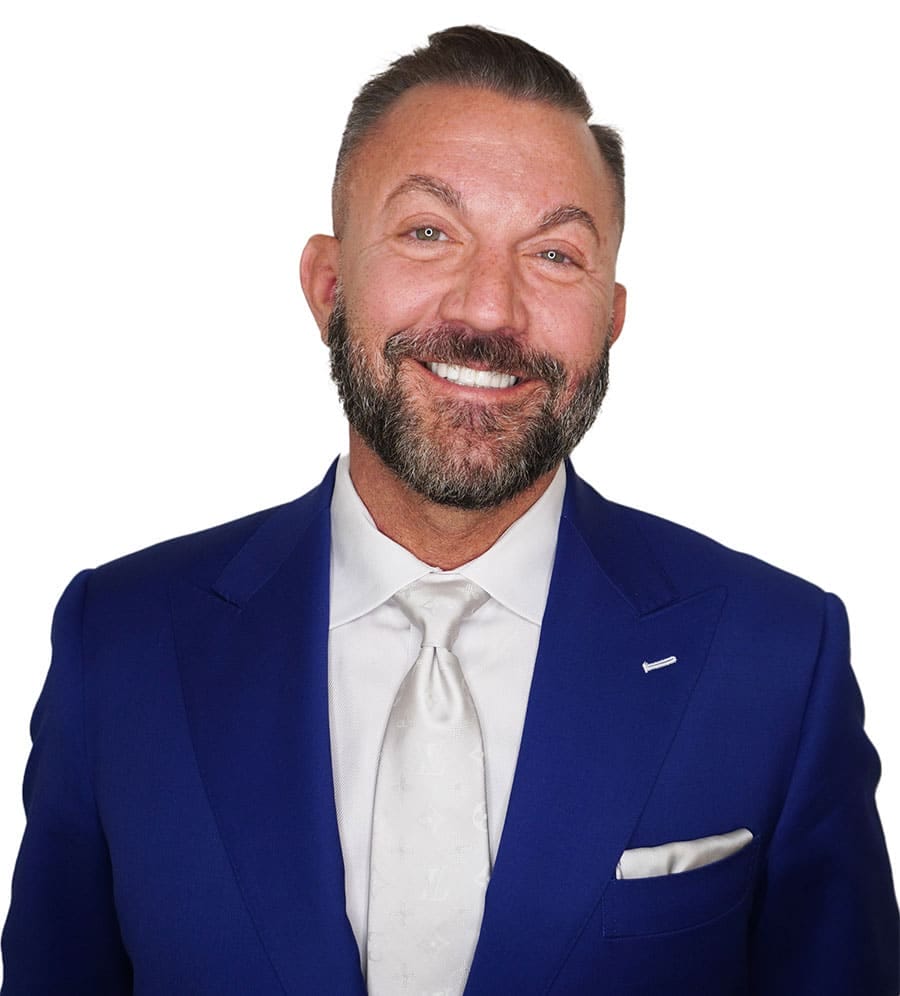
Dustin Stanley’s path to becoming one of the country’s most respected retirement advisors wasn’t straight. It began in Louisville, Kentucky, where he grew up in a tight-knit family that loved the outdoors. His father, his biggest mentor, taught him math, welding, and the importance of hard work. As a teenager, Dustin’s talent for math caught national attention, but he chose family over engineering school and worked at the family business, Hytec, for 24 years.
When Hytec closed, it felt like the end of a dream. But the loss pushed Dustin into a new field where he discovered his true calling. In 2013, he joined a retirement planning firm and quickly stood out. “I loved meeting with people and taking away their financial stress,” he recalls. Within two years, he was offered partnership. Over the next decade, he helped grow the firm from $20 million to nearly $3 billion under management. He also co-wrote a retirement workshop that spread to universities nationwide and became a familiar face on Sunday morning TV shows.
In 2025, Dustin launched Stanley Wealth and Retirement in Sarasota, Florida. His focus: client-first planning built on listening, understanding, and personal strategy. Beyond finance, Dustin is a father of two, husband to Kristin, and an outdoor enthusiast who enjoys boating, motorcycles, and racing cars. He also volunteers with Samaritan’s Purse. His guiding belief: “Success is never owned—it is only rented, and the rent is due every single week, month, and year.”
What is your typical day, and how do you make it productive?
My days start early. I wake up around 5:30 a.m., make coffee, and spend a few quiet minutes writing out my goals for the day. I’ve learned that if I don’t write things down, distractions win. I usually have a mix of client meetings, team strategy sessions, and time blocked for reviewing plans. Productivity for me is about rhythm. I keep meetings focused and leave space in the day to think deeply about problems instead of rushing from one task to another.
How do you bring ideas to life?
I sketch them out on paper first. Whether it’s a financial workshop or a business investment, I write, cross things out, and then talk it through with someone I trust—usually my wife Kristin or a colleague. I’ve found that conversation sharpens ideas faster than staring at a screen.
What’s one trend that excites you?
The shift toward blending technology with human connection in finance. People want clarity, not complexity. I love seeing how tools can simplify things, but only when combined with someone who listens.
What is one habit that helps you be productive?
Every December, I write my goals for the next year. Personal, professional, and spiritual. Then I break them into smaller pieces. This habit keeps me grounded.
What advice would you give your younger self?
Don’t fear change. When my family business closed, I thought it was the worst thing that could happen. It turned out to be the best.
Tell us something you believe almost nobody agrees with you on?
I don’t believe in work-life balance. If you love what you do, it should blend into life. Work should feel like an extension of who you are.
What is the one thing you repeatedly do and recommend everyone else do?
Write your goals down. Pen on paper. It makes them real.
When you feel overwhelmed or unfocused, what do you do?
I go outside. Fishing, boating, or even just a walk clears my head. Nature resets me.
What is one strategy that has helped you grow your business or advance in your career?
Listening. Most advisors push their own solutions. I’ve built my career by listening first. Families open up when they feel heard, and the right solutions come naturally from there.
What is one failure in your career, how did you overcome it, and what lessons did you take away from it?
Losing the family business. I thought my career ended. Instead, I found finance. The lesson: endings can be beginnings.
What is one business idea you’re willing to give away to our readers?
An education series for high schoolers about real-world money. Not theory—things like taxes, loans, and budgeting. The earlier you teach it, the stronger their foundation.
What is one piece of software that helps you be productive? How do you use it?
Evernote. I jot down client notes, random ideas, and reminders. It’s like carrying my notebook everywhere.
Do you have a favorite book or podcast you’ve gotten a ton of value from and why?
I return to Atomic Habits by James Clear. It’s a reminder that small things, done daily, add up to transformation.
What’s a movie or series you recently enjoyed and why?
Ford v Ferrari. I’ve always loved cars and racing. But the bigger lesson is about persistence and pushing limits, even when the odds are against you.
Key learnings
- Writing down goals creates clarity and keeps you accountable.
- Listening deeply to others is often the best business growth strategy.
- Endings, even painful ones, can lead to unexpected opportunities.
- Productivity is built on habits, not quick fixes.
- Blending technology with human connection creates real value.