
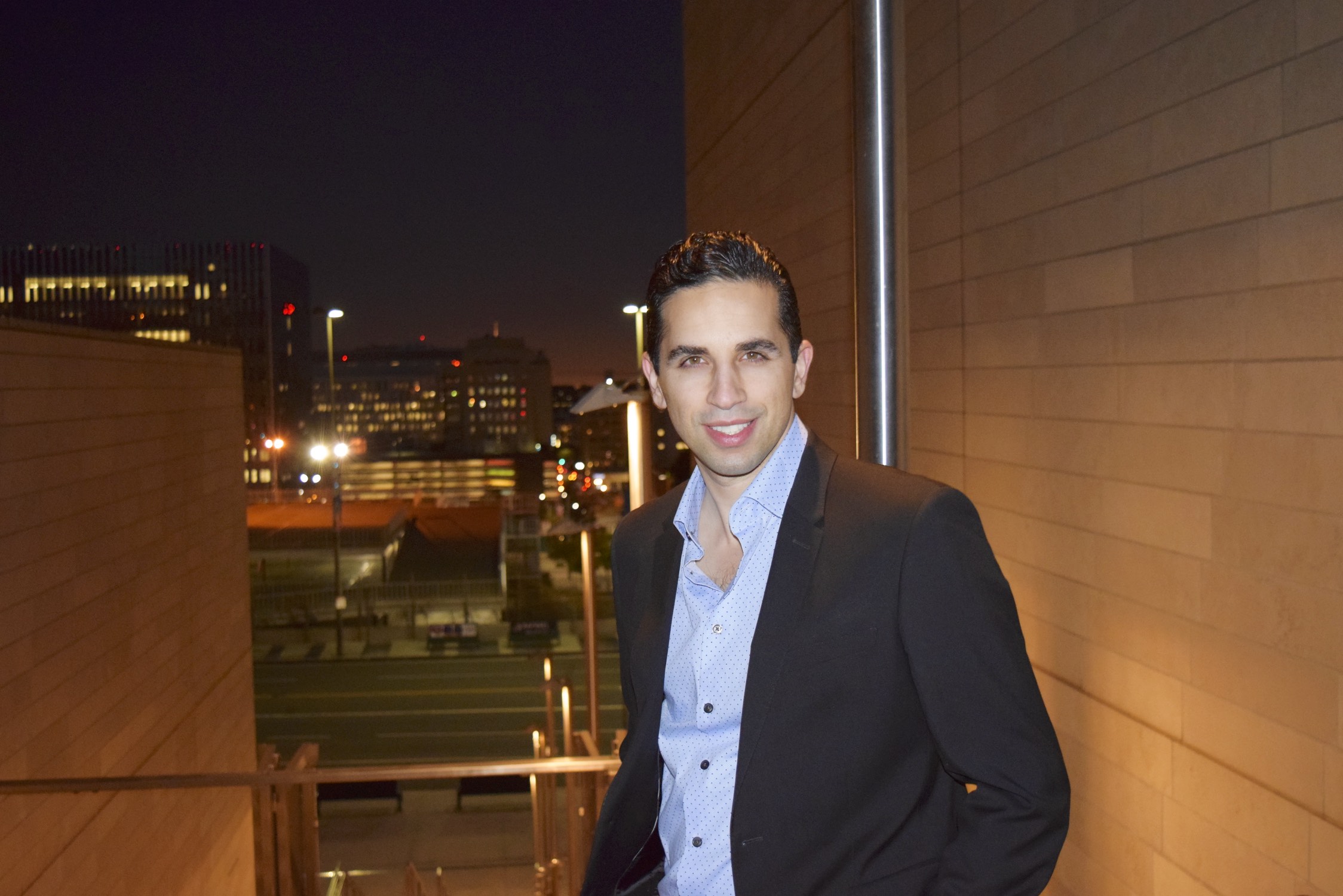
Dr. Emil Kohan is a board-certified plastic surgeon based in Beverly Hills, California, whose career has been shaped by a unique blend of science, artistry, and lifelong curiosity. Raised in Los Angeles, he developed an early interest in art, design, and entrepreneurship while also excelling in science. Rather than choosing one passion over another, he found a profession that allowed him to combine all of them.
He graduated summa cum laude from UCLA with dual Bachelor of Science degrees in Neuroscience and Psychobiology before earning his medical degree from the David Geffen School of Medicine at UCLA, where he received a prestigious four-year Dean’s Scholarship. He completed his Plastic and Reconstructive Surgery residency at the University of California, Irvine, building the technical foundation for a career dedicated to aesthetic and reconstructive surgery.
Today, Dr. Kohan specializes in body contouring, mommy makeover procedures, breast surgery, liposuction, Brazilian Butt Lift (BBL) procedures, and complex revision cases. His approach emphasizes natural-looking results that respect each patient’s unique features rather than following temporary trends.
Beyond caring for patients, Dr. Kohan remains committed to advancing his profession. He has authored peer-reviewed publications, contributed to textbook chapters, and lectures on advanced surgical techniques. In 2024, he presented on BBL surgical technique at the California Society of Plastic Surgeons meeting.
Outside of medicine, Dr. Kohan enjoys basketball, tennis, fitness, art, design, and entrepreneurship. These interests continue to influence the discipline, creativity, and attention to detail that define both his work and his outlook on life.
What is your typical day, and how do you make it productive?
Every day starts early. Before I check emails or messages, I like to spend a little time exercising or reviewing my schedule. That helps me begin the day with a clear mind.
Once I’m at the office, my focus shifts entirely to my patients. Some days involve surgery from morning into the afternoon. Other days are filled with consultations, follow-up appointments, or treatment planning. I enjoy both because they require different kinds of thinking.
I stay productive by preparing thoroughly. Every patient is different, so I review their history, anatomy, goals, and treatment plan before walking into the room. That preparation allows me to focus on the conversation instead of searching for information.
I also try to leave time every week for reading research papers or reviewing surgical videos. Medicine changes constantly, so learning has to remain part of the daily routine.
How do you bring ideas to life?
For me, ideas only become valuable once they’re tested.
Whether it’s a surgical technique or a workflow improvement, I start by studying it carefully. I read the research, talk with colleagues, and think about how it applies to real patients.
I’ve always believed science and creativity should work together. Surgery requires precision, but it also requires an artistic eye. The best ideas usually come from combining those perspectives rather than choosing one over the other.
What’s one trend that excites you?
I’m excited by the continued shift toward natural-looking results.
Patients today are asking for balance rather than dramatic change. They’re looking for results that fit their own anatomy and lifestyle.
I think that’s a healthy direction because it encourages thoughtful planning instead of chasing trends.
What is one habit that helps you be productive?
Preparation.
The more prepared I am before surgery or a consultation, the more present I can be with each patient.
What advice would you give your younger self?
Don’t rush your development.
It’s easy to compare yourself to people who seem further ahead, but every stage of training teaches something valuable. Focus on mastering today’s responsibilities instead of worrying about tomorrow’s achievements.
Tell us something you believe almost nobody agrees with you on?
I think limitations can actually improve creativity.
When everything is possible, it’s easy to lose focus. Working within realistic boundaries often leads to better decisions and more refined outcomes.
What is the one thing you repeatedly do and recommend everyone else do?
Stay curious.
Read outside your field. Learn from people with different backgrounds. Some of my best ideas have come from art, athletics, or design rather than medicine.
When you feel overwhelmed or unfocused, what do you do?
I step away for a short walk or a workout.
Physical activity helps clear my mind and usually gives me a fresh perspective when I return.
What is one strategy that has helped you grow your business or advance in your career?
I’ve focused on continuous improvement instead of quick growth.
Every publication, lecture, research project, and patient interaction became an opportunity to learn. Over time, those small improvements added up and helped build trust with both patients and colleagues.
What is one failure in your career, how did you overcome it, and what lessons did you take away from it?
Early in my training, I sometimes believed working harder always meant working longer.
Eventually I realized that fatigue can reduce performance. Better planning, better communication, and proper recovery make you a better surgeon than simply adding more hours.
That lesson changed how I approach both work and life.
What is one business idea you’re willing to give away to our readers?
I would love to see a free online library that explains cosmetic procedures using simple language, illustrations, and evidence-based information instead of marketing language.
Helping people become better informed benefits everyone.
What is one piece of software that helps you be productive? How do you use it?
Notion has become one of my favorite organizational tools.
I use it to organize research notes, lecture ideas, reading lists, and projects so information stays easy to find.
Do you have a favorite book or podcast you’ve gotten a ton of value from and why?
One book I’ve returned to several times is The Checklist Manifesto by Atul Gawande.
It reinforces something that’s important in surgery: preparation matters. Small, consistent systems help reduce mistakes and improve outcomes.
What’s a movie or series you recently enjoyed and why?
I recently watched The Playbook documentary series.
I enjoyed hearing successful coaches explain how discipline, preparation, and leadership translate into long-term success. Those lessons apply just as much in medicine as they do in sports.
Key learnings
- Combining science with creativity often leads to stronger long-term results than relying on either one alone.
- Continuous learning and careful preparation build trust and improve performance over time.
- Small daily improvements can create meaningful career growth without chasing shortcuts.
- Looking beyond your own industry can spark new ideas and better problem-solving.
- Long-term thinking and individualized decision-making often produce better outcomes than following trends.