
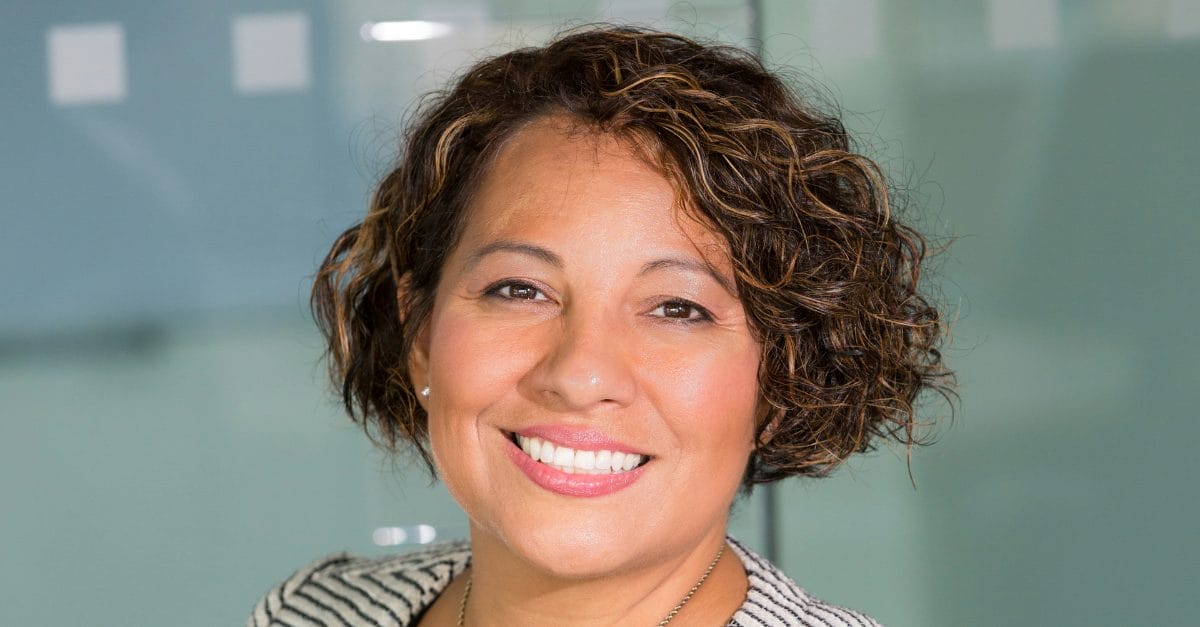
Dr. Esther Mi-Jung Park is a leading expert in historical linguistics and cultural anthropology. She has spent over two decades studying language evolution, deciphering ancient scripts, and working with indigenous communities to document and preserve endangered languages. Born in South Korea and educated in the United States, she earned her Ph.D. in Linguistic Anthropology from the University of California, Berkeley. Her fieldwork has taken her across Southeast Asia and the Pacific Islands, where she has worked to safeguard linguistic heritage. Today, she consults on language documentation, AI-driven linguistic analysis, and the impact of globalization on cultural identity.
What is your typical day, and how do you make it productive?
My day always starts with reading—whether it’s a new research paper, historical text, or linguistic dataset. I divide my time between independent research, consulting on language preservation projects, and mentoring students. Productivity for me comes from structured curiosity. I set specific goals for each task, but I also leave space for unexpected discoveries.
How do you bring ideas to life?
Ideas are like puzzles. I gather small pieces—oral histories, ancient scripts, phonetic patterns—and look for connections. Sometimes, a single word in an obscure dialect unlocks an entire historical link between cultures. Writing, discussing ideas with colleagues, and fieldwork are key to making discoveries tangible.
What’s one trend that excites you?
The intersection of AI and linguistic preservation. AI is becoming a powerful tool in analyzing endangered languages, predicting linguistic shifts, and even reconstructing lost languages. However, we must be careful not to rely too heavily on algorithms alone. Language is deeply human, and AI should support—not replace—our role as researchers and cultural stewards.
What is one habit that helps you be productive?
Daily note-taking. I document everything—ideas, translations, observations from conversations, and even questions I don’t yet have answers to. Over time, these notes become a reservoir of insights that fuel my work.
What advice would you give your younger self?
Don’t be afraid to challenge accepted theories. Some of the greatest discoveries come from questioning what everyone assumes to be true. Also, patience is key. Some of the most meaningful linguistic breakthroughs take years, sometimes decades.
Tell us something you believe almost nobody agrees with you on?
That written language is not the ultimate measure of linguistic value. Many believe that languages without a written form are somehow incomplete, but oral traditions carry just as much intellectual depth and cultural importance. Some of the most complex linguistic structures exist in unwritten languages.
What is the one thing you repeatedly do and recommend everyone else do?
Listen more. Whether you’re learning a language, studying a culture, or even just having a conversation, true understanding comes from deep listening.
When you feel overwhelmed or unfocused, what do you do?
I step away from my work and turn to something historical—reading an ancient text, visiting a museum, or even reviewing old research notes. It helps me regain perspective. Sometimes, the past has a way of revealing new solutions to present challenges.
What is one strategy that has helped you grow your business or advance in your career?
Building relationships with communities, not just institutions. Some of my most valuable linguistic research has come from deep, mutual trust with indigenous speakers and cultural historians. Academia often prioritizes publications, but real impact comes from long-term collaboration with the people whose languages and histories we study.
What is one failure in your career, how did you overcome it, and what lessons did you take away from it?
Early in my career, I miscalculated how open communities would be to linguistic documentation. I approached a remote community with research intentions, but I hadn’t built enough trust. They were hesitant, and I realized I had to step back, listen, and engage at their pace, not mine. It taught me that fieldwork isn’t just about data collection—it’s about relationships and respect.
What is one business idea you’re willing to give away to our readers?
A digital linguistic archive where native speakers can record their languages, oral histories, and cultural traditions in their own voices. Many language preservation projects are led by outsiders, but an accessible, community-driven platform would allow people to safeguard their linguistic heritage on their own terms.
What is one piece of software that helps you be productive? How do you use it?
I use Evernote extensively. It allows me to organize field notes, research papers, and linguistic data into structured notebooks that I can access anytime, anywhere. Having my research categorized and searchable is invaluable.
Do you have a favorite book or podcast you’ve gotten a ton of value from and why?
David Crystal’s The Stories of English. It’s a brilliant look at how English evolved and how dialects shape our understanding of language. It reinforces the idea that no language is static and that change is part of linguistic identity.
What’s a movie or series you recently enjoyed and why?
I recently rewatched Arrival. While it’s science fiction, the way it treats language as the key to understanding different perspectives deeply resonates with me. The idea that language shapes thought is something linguistic anthropologists have studied for decades.
Key learnings
- Listening is the foundation of learning.
- Technology should support, not replace, human expertise.
- The past holds the key to the future