
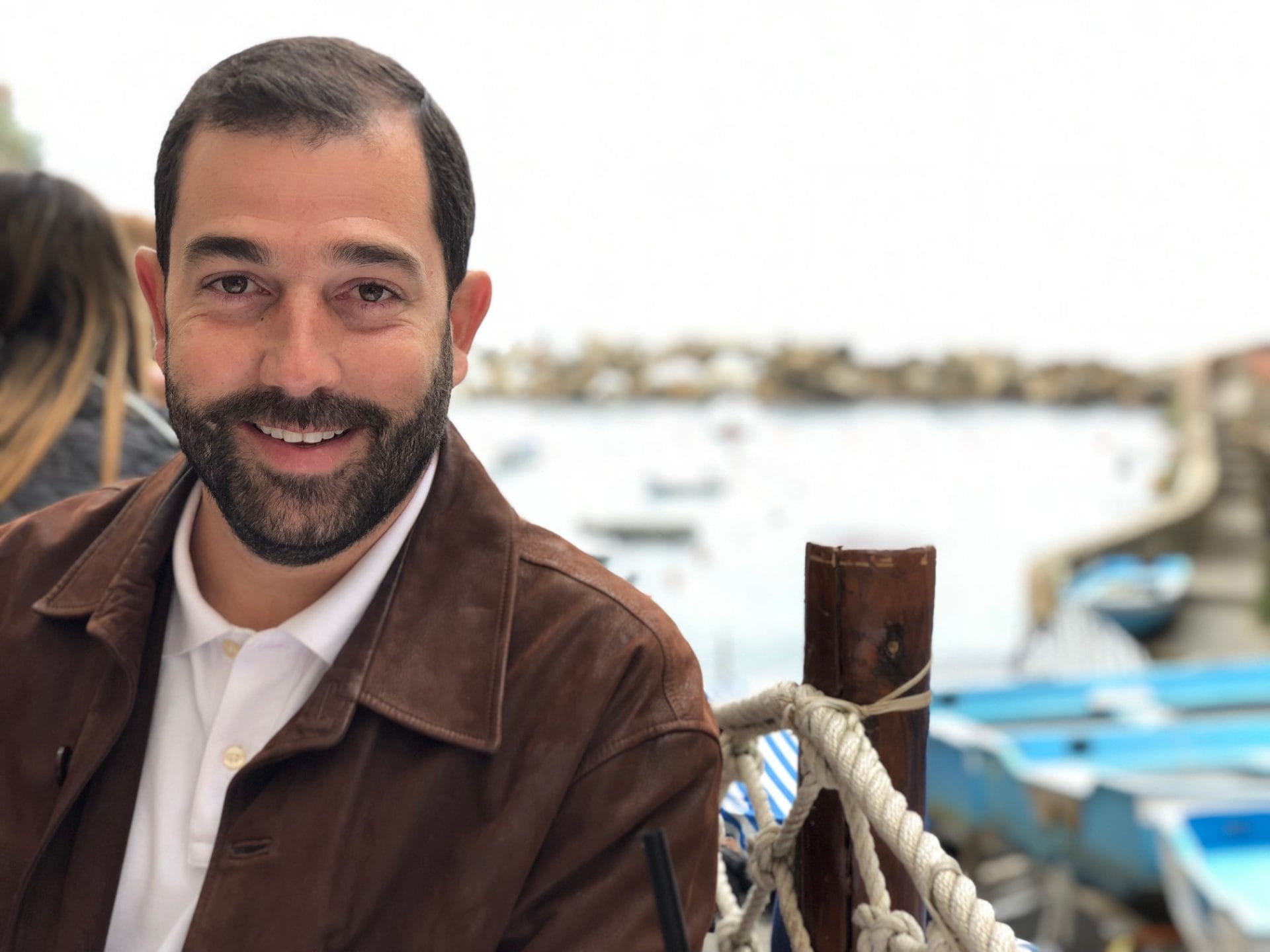
Francisco Faraco is a New York City financial executive, who delivers wealth management solutions. Active with the New York Society of Security Analysts (NYSSA), he passed the National Commodities Futures Examination (NFA Series 3) and the General Securities Representative Qualification Examination (FINRA Series 7) exams. Francisco Faraco attended graduate school at the University of Chicago and maintains a strong professional commitment to that institution. He provides career advice and mentorship services to graduate students in the Master of Science in Financial Mathematics under the Industry Professionals In-Residence (IPR) program. In this role, he delivers real world-informed guidance covering students’ professional development aspirations and concerns. Mr. Faraco is also active with the University of Chicago’s Physical Sciences Division’s Executive Advisory Council. He earned his undergraduate degree at Universidad Metropolitana in Caracas, Venezuela, where he authored his thesis on “Empirical Analysis between the Capital Asset Pricing Model (CAPM) and the Arbitrage Pricing Theory (APT) in the Caracas Stock Exchange during the years 1993 through 1998.” He also studied at the American University in Washington DC, earning his Master in Economics with concentration in Financial Economics and Economic Development Policies.
What is your typical day, and how do you make it productive?
A typical day starts early, juggling emails, market updates, and preparing the kids for school. The workday is packed with meetings, strategy sessions, and reading news, often squeezing in calls between school runs. Evenings are dedicated to family time, followed by catching up on tasks or planning for the next day once the kids are asleep.
How do you bring ideas to life?
I bring ideas to life by combining market insights with real-world problem solving, turning data into actionable strategies for both my business and clients. Staying agile and focused helps me test, refine, and execute ideas efficiently, even while managing a busy schedule.
What’s one trend that excites you?
Artificial intelligence. It is exciting because AI has the power to transform industries, automate complex tasks, and unlock new levels of efficiency and innovation. Its rapid evolution is opening doors to possibilities we once only imagined – from personalized healthcare to intelligent finance.
What is one habit that helps you be productive?
Wake up early and have a daily plan before things get hectic throughout the day.
What advice would you give your younger self?
Never assume anything.
Tell us something you believe almost nobody agrees with you on?
I had blonde and straight hair when I was little.
What is the one thing you repeatedly do and recommend everyone else do?
Daily meditation.
When you feel overwhelmed or unfocused, what do you do?
Leave the office and go for a walk or work out.
What is one strategy that has helped you grow your business or advance in your career?
Being persistent. Persistence in finance means staying focused and resilient through market fluctuations, setbacks, and uncertainty. Long-term success often comes from consistent effort, disciplined decision-making, and learning from every experience.
What is one failure in your career, how did you overcome it, and what lessons did you take away from it?
When I applied for my first master’s program, I underestimated how complex and time-consuming the application process would be. Between gathering documents, writing essays, and managing deadlines across different schools, I quickly found myself overwhelmed. As a result, I missed the opportunity to apply to several institutions I was genuinely excited about, simply because I hadn’t planned ahead. That experience taught me a valuable lesson: the importance of starting early, staying organized, and setting clear priorities. Since then, I’ve made it a habit to break big tasks into smaller steps, set internal deadlines ahead of official ones, and maintain a clear timeline – skills that have helped me not only in academics, but also in my professional and personal life.
What is one piece of software that helps you be productive? How do you use it?
Although Python is not a software but a programming language, to use Python, I needed to install Python software on my computer. I use Python for data and quantitative analysis, machine learning and AI, as well as scientific computing and research.
Do you have a favorite book or podcast you’ve gotten a ton of value from and why?
Market Wizards. The book offers a rare glimpse into the minds of some of the most successful traders in history, revealing their strategies, discipline, and mindset. The book is both insightful and inspiring, showing that there’s no single path to success – just a commitment to learning and adapting.
What’s a movie or series you recently enjoyed and why?
Free Solo – the documentary film follows Alex Honnold’s attempt to climb the 3,000-foot El Capitan in Yosemite National Park without a rope. It taught me the power of intense focus, preparation, and overcoming fear in pursuit of a seemingly impossible goal.
Key learnings
- Start the day with a plan and break big tasks into small steps.
- Executing an idea effectively matters more than the idea itself.
- Success relies on planning ahead, staying organized, and setting priorities.
- Personal and professional growth is rooted in persistence, adaptability, and learning from every experience.