
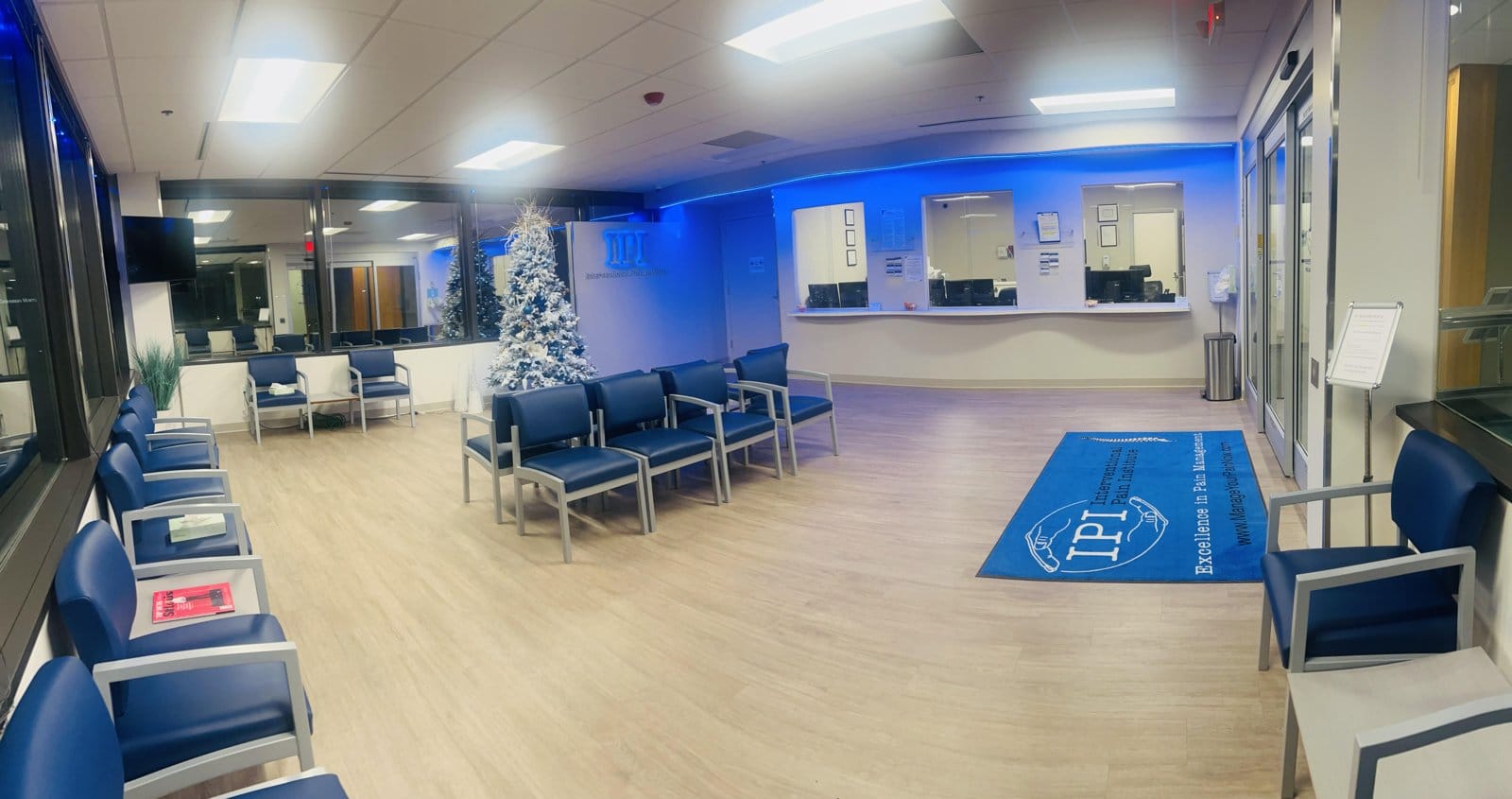
Interventional Pain Institute (IPI) is a pain management practice serving patients throughout the greater St. Louis region. Founded in 2007 by Ramis Gheith, MD, the practice brings together physicians, advanced practice providers, and support staff to evaluate and care for people living with chronic pain.
IPI treats back pain, neck pain, sciatica, and arthritis affecting the spine, knees, hips, and shoulders. The team also treats nerve pain, including painful diabetic neuropathy and complex regional pain syndrome (CRPS), as well as persistent pain after spine surgery.
As IPI has expanded its team, locations, and treatment capabilities, Gheith says its purpose has remained consistent: understand how pain affects each person’s life and help patients make informed decisions about their care.
In this Q&A, Gheith, IPI’s founder and medical director, discusses the practice’s beginnings, the people behind it, and the role of communication in patient care.
Why was Interventional Pain Institute founded, and how has the practice evolved?
I founded IPI in 2007 to offer hope to people whose lives had been disrupted by chronic pain. During my training and early career, I met patients who had tried multiple treatments and medications and were still struggling. I wanted to build a practice that took time to understand their experiences, evaluate possible sources of pain, and consider care options suited to each individual.
Over the years, we have expanded our physician team, clinical locations, and treatment capabilities. Our work includes minimally invasive spinal procedures and neuromodulation, including spinal cord stimulation, when appropriate for the patient.
The purpose behind that growth has remained the same. We want to understand what matters to the person seeking care. That might be working, sleeping more comfortably, or spending time with grandchildren. Those goals help give context to the medical evaluation and the conversations that follow.
Who are the physicians and key team members, and what backgrounds do they bring?
Our physician team includes me, Dr. Christian Oliver, and Dr. Bryan Whitlow. We bring training in anesthesiology and fellowship training in interventional pain management.
Our advanced practice providers include Mindy Wortmann, MSN, APRN; Kenneth Shackelford, DNP, APRN; and Briana Raterman, DNP, FNP-C. Their advanced nursing education and clinical experience support patient assessment, ongoing care, and education.
Our nurses, medical assistants, procedure staff, administrative personnel, and patient care coordinators are also essential to the practice. They help patients prepare for appointments, navigate scheduling and authorizations, and stay connected with the clinical team.
I believe great medical care is the collective work of a team united by a common purpose. Every interaction contributes to a patient’s experience.
Who leads the practice clinically, and how are responsibilities coordinated?
As founder and medical director, I provide overall clinical leadership and help guide our approach to patient care. I also believe that effective leadership requires giving professionals room to use their expertise within a culture of shared responsibility and accountability.
Our physicians lead specialized evaluations, diagnoses, and interventional treatment decisions. Our nurse practitioners help assess patients, manage ongoing care, explain recommendations, and monitor progress. Nursing and procedural staff support treatment coordination and continuity of care, while our administrative team helps patients navigate the practical steps.
When a patient’s needs call for additional expertise, we collaborate with referring physicians, surgeons, neurologists, physical therapists, and other healthcare professionals.
Communication connects those responsibilities. Patients may come to us feeling frightened, frustrated, or exhausted. We want everyone on the team to recognize that and respond with respect.
What does a patient’s experience typically involve, from the first inquiry through follow-up?
The experience begins when someone contacts the practice. Our staff helps with scheduling, necessary documentation, and preparation for the first appointment.
During the initial consultation, we focus on listening. We discuss symptoms, medical history, previous treatments, and the ways pain affects everyday activities. We also ask about the patient’s goals, perform a focused physical examination, and review relevant imaging or diagnostic studies.
Those findings help guide an individualized plan. Depending on the evaluation, the options discussed may include conservative therapies, medication management, diagnostic injections, or interventional procedures. We explain our recommendations and work with the patient to determine an appropriate course.
Follow-up gives us an opportunity to assess the response, discuss changes in function, and decide whether the plan needs adjustment. Some patients need additional evaluation or a series of carefully coordinated steps. Our goal is to remain involved as those needs evolve.
One patient came to us after years of pain that made it hard to walk, stand, or sleep, even after physical therapy and other treatments. We ultimately treated the patient with spinal cord stimulation. Over time, the patient told us she could sleep more comfortably and walk with less fear.
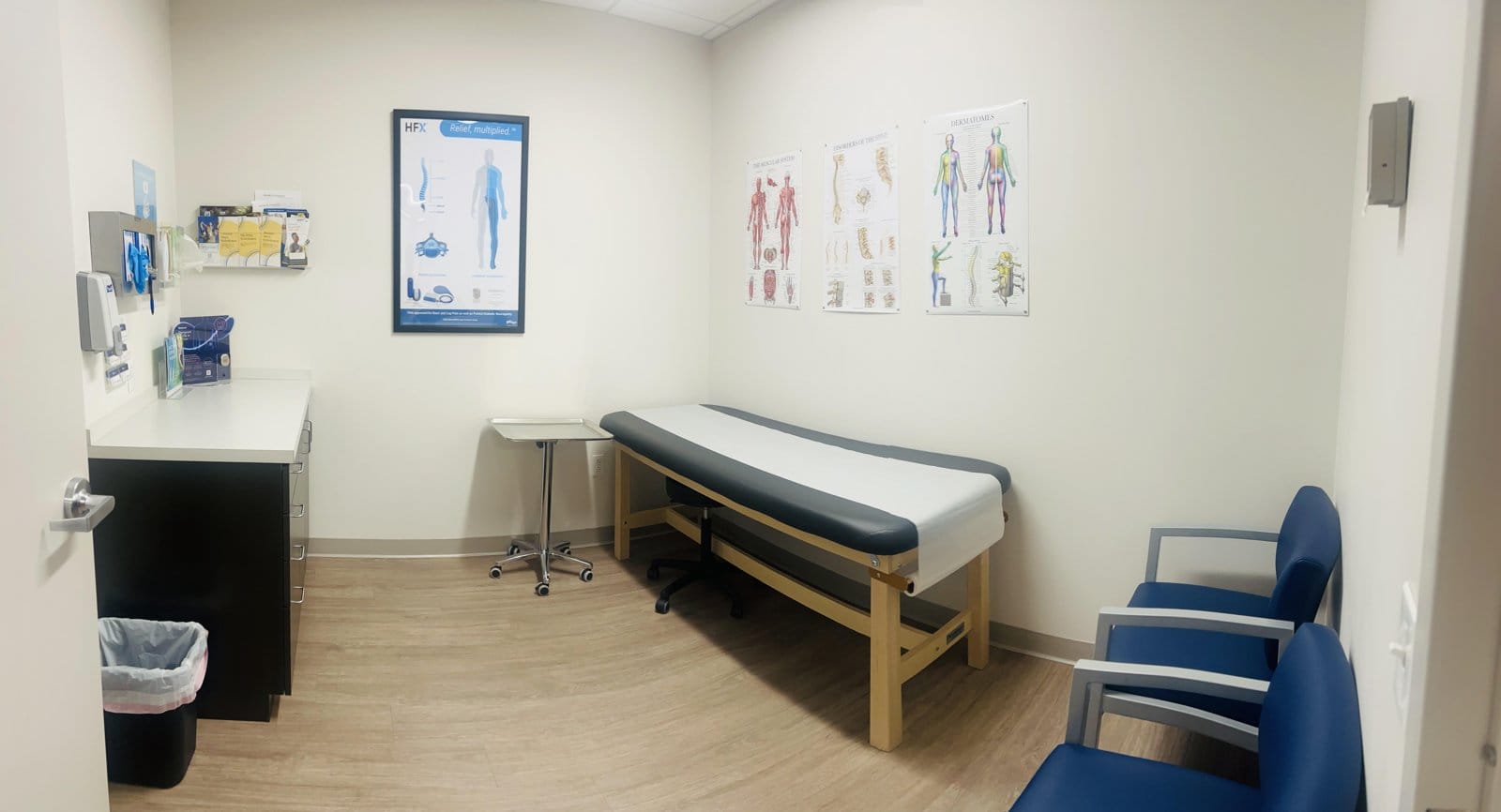
How does the team help patients understand their options, risks, and limitations?
We try to make complex medical information understandable without oversimplifying the condition. When appropriate, that includes reviewing imaging, explaining suspected sources of pain, and discussing why a particular option may or may not fit.
We address potential benefits, risks, alternatives, and limitations. Setting realistic expectations is an important part of that conversation. Not every treatment works for every patient, and some chronic conditions require ongoing management. If someone does not respond as expected, further evaluation may be needed.
We encourage patients to ask questions and tell us when something is unclear or concerning. Our responsibility is to help them make informed decisions about their health and quality of life.
Trust is built through honesty. That includes being open about what we know, what remains uncertain, and what a treatment can reasonably be expected to accomplish.
What role do continuing education and physician teaching play at IPI?
Pain medicine continues to evolve, so keeping our knowledge current is an ongoing responsibility. Our physicians participate in professional organizations, educational conferences, and training to stay informed about clinical evidence, procedural techniques, and patient safety.
Throughout my career, I have also been involved in teaching medical students, anesthesiology residents, physicians, and colleagues in interventional pain management.
We approach emerging treatments with critical evaluation. Before considering a therapy, we look at the medical rationale, the available evidence, and whether it is appropriate for the individual patient. New technology still requires careful judgment.
Continuing education matters because it informs the decisions we make and the explanations we give patients. We want those conversations to reflect thoughtful, responsible clinical practice.
What should a new patient know or prepare before the first visit?
The first thing I want patients to know is that we are here to listen and take their concerns seriously. Many have already spent considerable time seeking answers.
We encourage patients to bring relevant medical records, prior imaging reports and available images, a current medication list, and information about treatments they have tried. It also helps to think about how pain affects daily life and which activities matter most to them.
Come prepared to ask questions. The first appointment begins a conversation, and we may need additional testing or evaluation before we can recommend an appropriate plan.
I often remind our team that patients may forget the medical terminology we use, but they will remember how we made them feel. We want them to leave knowing they were heard and that their concerns mattered. The principle that guided IPI at the beginning still guides us today: approach every patient with the care and respect we would want for our own family.
IPI sees patients in Chesterfield, Festus, St. Charles, and Troy.