
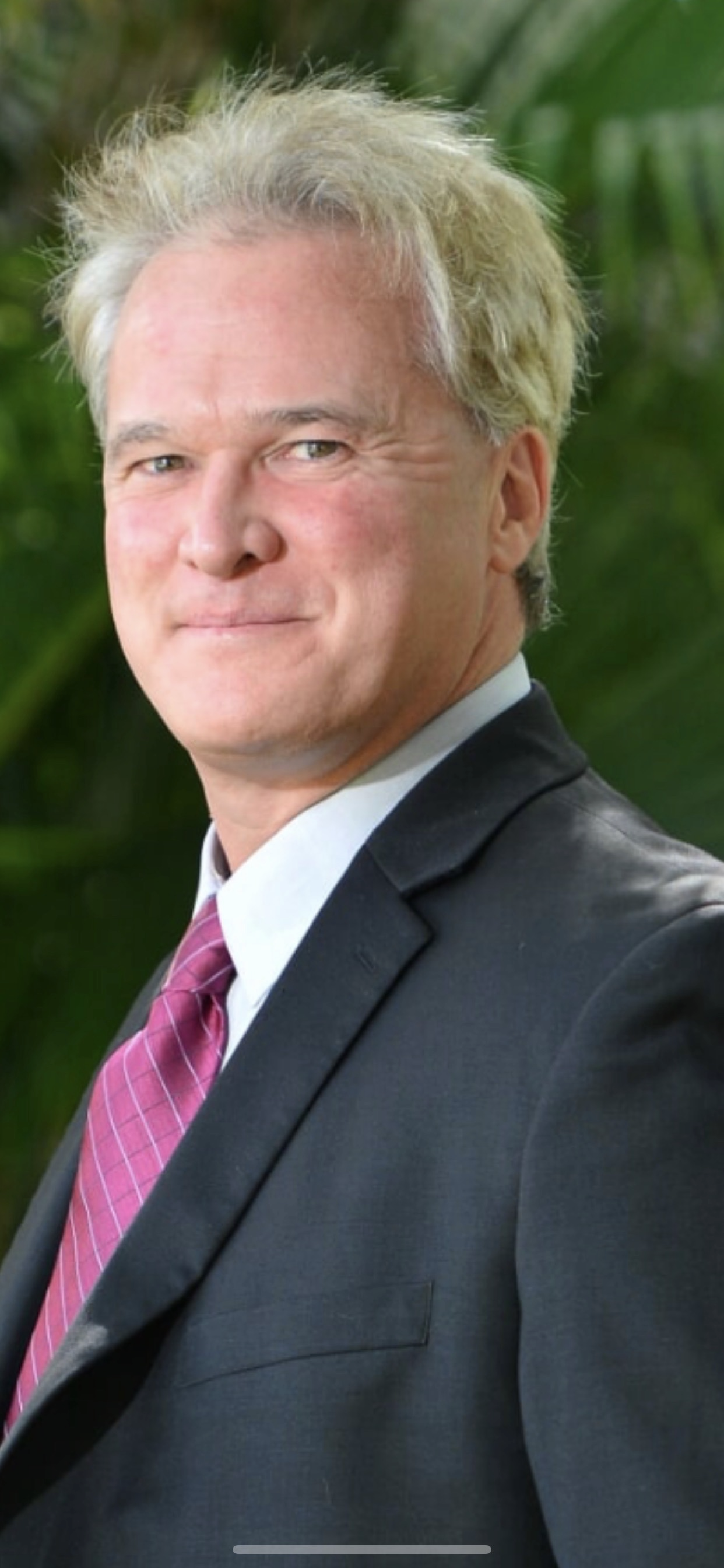
Retired emergency medicine physician and former physician for the U.S. boxing program, based in Richmond, Kentucky.
Long before Dr. James Blake spent his days in an emergency department, he was chasing a different kind of clock. As a young man he competed as an Olympic cyclist, learning early what it costs to push a body past what feels reasonable, and what it takes to recover and go again the next day. That grounding in discipline followed him into medicine, where he built a long career in emergency care, eventually serving as a physician for the U.S. boxing program alongside his hospital work. Born on February 8, 1967, Blake carried the same habits from the track and the ring into the emergency room: prepare for the worst hour of someone’s day, stay calm inside it, and treat the people around you as the team that gets you through it. Colleagues who worked with him over the years point to the bond he built with nurses, techs, and residents as much as to his clinical judgment. Faith shaped how he framed all of it. A Christian outlook runs through how he talks about setbacks, patients, and the quieter moments after a hard shift. These days, retired from full-time practice, Blake still trains, holding a black belt in martial arts and keeping the same routine of daily goal-setting that carried him through three decades of emergency medicine. He lives in Madison County, Kentucky, where he keeps writing and speaking about the parts of the job that never made it into a chart: the discipline, the faith, and the people who stood next to him when it mattered.
What is your typical day, and how do you make it productive?
I still start every morning the same way I did during my working years: I sit down and reevaluate my goals before I do anything else. Some days that takes ten minutes, other days longer. It sets the shape of everything that follows.
How do you bring ideas to life?
I break them into small tasks I can actually finish that day. An idea that stays abstract never goes anywhere. Once it has a first concrete step, it tends to move on its own.
What’s one trend that excites you?
I like seeing more emergency departments invest in team training that includes everyone on the floor, not just physicians. Medicine works best when the whole room is prepared, not just the person with the loudest title.
What is one habit that helps you be productive?
Daily reevaluation of goals. It sounds simple, but most people set a goal once and never look at it again. I check mine constantly and adjust.
What advice would you give your younger self?
Slow down on the certainty. I was sure of a lot of things as a young cyclist and a young doctor. Some of that certainty served me well. Some of it needed to be unlearned.
Tell us something you believe almost nobody agrees with you on?
I think willpower is overrated compared to routine. Most people wait to feel motivated before they act. I think you act first, on schedule, and the motivation follows.
What is the one thing you repeatedly do and recommend everyone else do?
Write your goals down every day, even the ones that repeat. Seeing them on paper again keeps you honest about whether you’re actually pursuing them.
When you feel overwhelmed or unfocused, what do you do?
I go back to the smallest task in front of me and finish it before thinking about anything else. Overwhelm usually comes from looking at everything at once.
What is one strategy that has helped you grow your business or advance in your career?
Treating every setback as information rather than judgment. In emergency medicine you fail constantly in small ways. The ones who last are the ones who redirect fast instead of dwelling.
What is one failure in your career, how did you overcome it, and what lessons did you take away from it?
Early on I misjudged how much I could carry alone during a hard stretch of shifts. I overcorrected by leaning too hard on staff without saying why. I learned to be direct about what I needed and let the team carry it with me, which is a lesson I carried for the rest of my career.
What is one business idea you’re willing to give away to our readers?
A simple daily accountability app built around one goal at a time, with a nightly check-in instead of a morning reminder. Most goal-tracking tools are backwards; they should ask what you did, not what you plan to do.
What is one piece of software that helps you be productive? How do you use it?
A basic notes app on my phone. I use it every morning to write down that day’s goals and every evening to mark what actually got done.
Do you have a favorite book or podcast you’ve gotten a ton of value from and why?
I keep coming back to the Bible, less as a single book and more as a daily reference point. It’s shaped how I think about discipline and purpose more than anything else I’ve read.
What’s a movie or series you recently enjoyed and why?
I enjoyed a documentary series on endurance athletes. It reminded me how much of performance, in sport or medicine, comes down to preparation nobody sees.
Key learnings
- Discipline built through athletics can carry directly into a demanding medical career.
- Daily reevaluation of goals, rather than a single fixed plan, supports long-term consistency.
- Strong team bonds matter as much as individual skill in high-pressure environments.
- Faith and routine can work together as steady sources of motivation.
- Treating failure as information, not judgment, makes it easier to redirect quickly.