
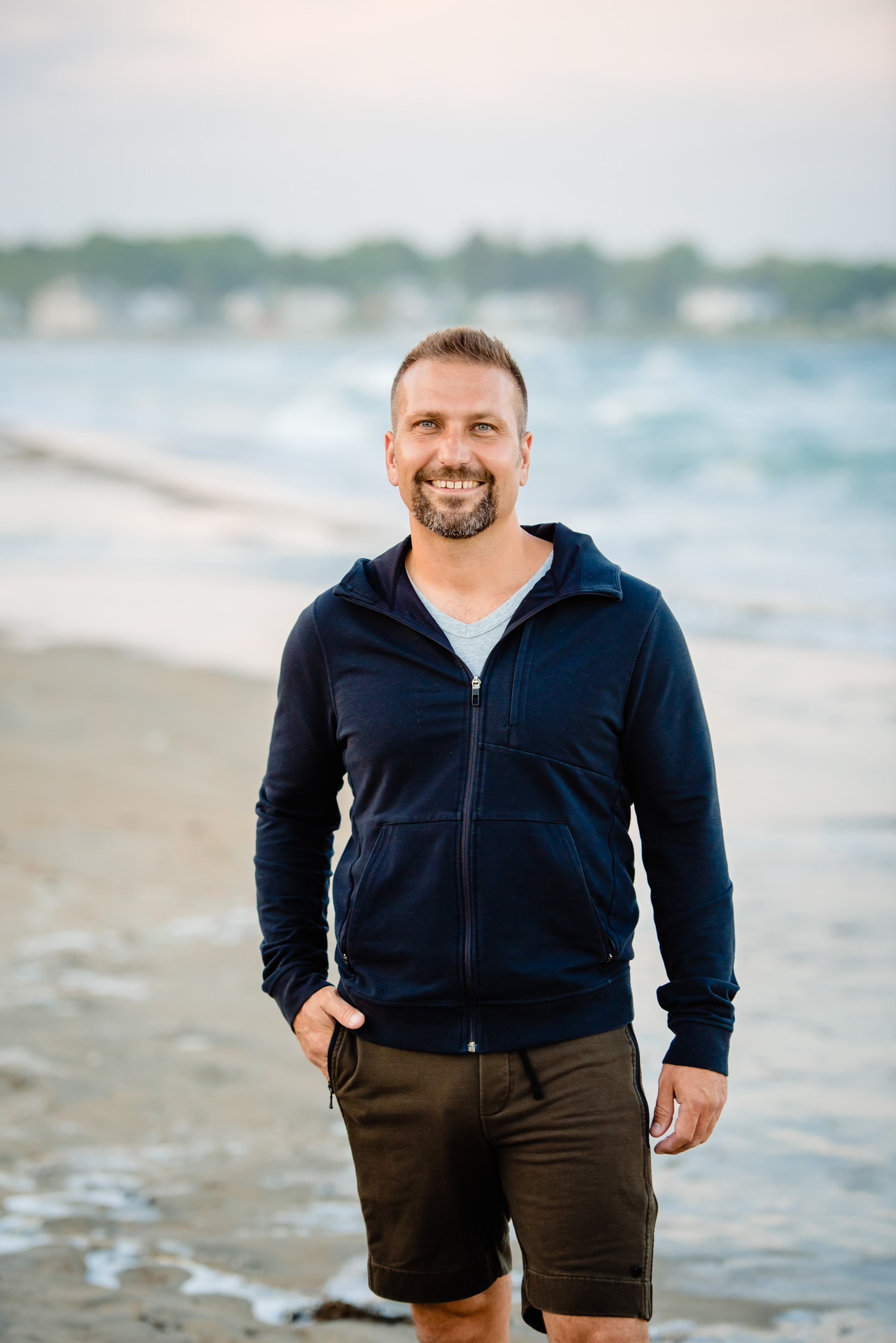
Jeff Herter of Rye, New Hampshire, has built his career by combining discipline, analytical thinking, and a long-term perspective. Growing up in Naperville, Illinois, he learned the value of hard work while playing football at Naperville Central High School. Those early lessons carried with him to Boston University’s Questrom School of Business, where he earned a degree in accounting and graduated cum laude.
After college, Jeff entered the fast-paced world of finance, co-founding a relative-value derivatives trading firm. Breaking into the industry required determination. He credits hard work, studying, and visualization with helping him establish himself in a demanding field. The experience taught him the importance of preparation, managing risk, and staying focused under pressure.
Jeff later expanded his career into entrepreneurship, founding multiple investment firms before turning his attention to multifamily real estate. Today, as Principal of Providence Real Properties, LLC, he focuses on identifying value-add multifamily and adaptive reuse opportunities across the United States. His approach is grounded in careful analysis, disciplined decision-making, and the creation of long-term value rather than chasing short-term results.
Outside of his professional work, Jeff volunteers as a SCORE mentor, helping small business owners navigate challenges and build stronger businesses. He also believes in the power of daily habits, including writing down goals, meditating, visualizing, and praying to maintain focus and clarity.
Whether in finance, real estate, or mentorship, Jeff’s career reflects a consistent commitment to thoughtful leadership, continuous learning, and building lasting success through discipline and purpose.
What is your typical day, and how do you make it productive?
I like to start my day with quiet time. I usually spend a few minutes in meditation and prayer before reviewing my goals. I write my goals down in a notebook because it keeps me focused on what actually matters. After that, I spend time reviewing markets, evaluating deals, and speaking with partners or team members. I try to structure my day around the highest-value decisions instead of constantly reacting to emails or headlines.
How do you bring ideas to life?
I start by asking whether the idea solves a real problem. Then I spend time researching it and looking at the numbers. My background in derivatives trading taught me to think through different scenarios before acting. Once I have confidence in the fundamentals, I create a plan and execute it step by step. Big ideas become achievable when you break them into smaller actions.
What’s one trend that excites you?
I think adaptive reuse and the continued evolution of multifamily housing are exciting. Communities and housing needs are changing, and there are opportunities to repurpose existing properties to better serve today’s market.
What is one habit that helps you be productive?
Writing down my goals every day. It sounds simple, but it keeps me accountable and prevents distractions from taking over.
What advice would you give your younger self?
Be patient. Early in my career, I wanted everything to happen quickly. Experience has taught me that consistent decisions made over time produce better results than chasing short-term success.
Tell us something you believe almost nobody agrees with you on?
I think many people overestimate the importance of constant activity. Sometimes the best decision is to do nothing until the right opportunity comes along. Patience is often undervalued in business.
What is the one thing you repeatedly do and recommend everyone else do?
Study continuously. Markets change, industries evolve, and there is always something new to learn. The more prepared you are, the better your decisions become.
When you feel overwhelmed or unfocused, what do you do?
I simplify everything. I step away for a few minutes, meditate, pray, and review my written goals. That helps me separate what is important from what is simply creating noise.
What is one strategy that has helped you grow your business or advance in your career?
Staying disciplined with risk management has probably had the biggest impact on my career. Whether I was trading derivatives or investing in multifamily real estate, I always focused on understanding the downside before getting excited about the upside. That approach has helped me avoid decisions driven by emotion.
What is one failure in your career, how did you overcome it, and what lessons did you take away from it?
Early in my trading career, I spent too much time trying to prove myself instead of trusting my process. I learned that confidence comes from preparation, not from taking unnecessary risks. That experience reinforced the importance of discipline and patience.
What is one business idea you’re willing to give away to our readers?
I think there is a tremendous opportunity in helping owners of aging commercial properties evaluate adaptive reuse opportunities. Many buildings no longer fit today’s market, and helping reposition those assets can benefit both owners and communities.
What is one piece of software that helps you be productive? How do you use it?
Microsoft Excel remains one of my most valuable tools. I use it to analyze investments, compare scenarios, organize assumptions, and evaluate potential risks before making decisions.
Do you have a favorite book or podcast you’ve gotten a ton of value from and why?
One book that has stayed with me is The Intelligent Investor by Benjamin Graham. Warren Buffett has been a major influence on my thinking, and Graham’s emphasis on discipline, value, and long-term decision-making remains relevant regardless of market conditions.
What’s a movie or series you recently enjoyed and why?
I recently rewatched The Big Short. While it tells a unique story about financial markets, what I appreciate most is how it highlights the importance of independent thinking, questioning assumptions, and understanding risk instead of simply following the crowd.
Key learnings
- Long-term success is built through discipline, patience, and consistent decision-making rather than chasing short-term opportunities.
- Strong risk management begins by understanding potential downside before focusing on potential returns.
- Daily habits such as writing down goals, continuous learning, and maintaining mental clarity support better decisions over time.
- Independent thinking and careful analysis often create better opportunities than following market trends.
- Building sustainable businesses requires strong fundamentals, thoughtful execution, and a willingness to keep learning.