
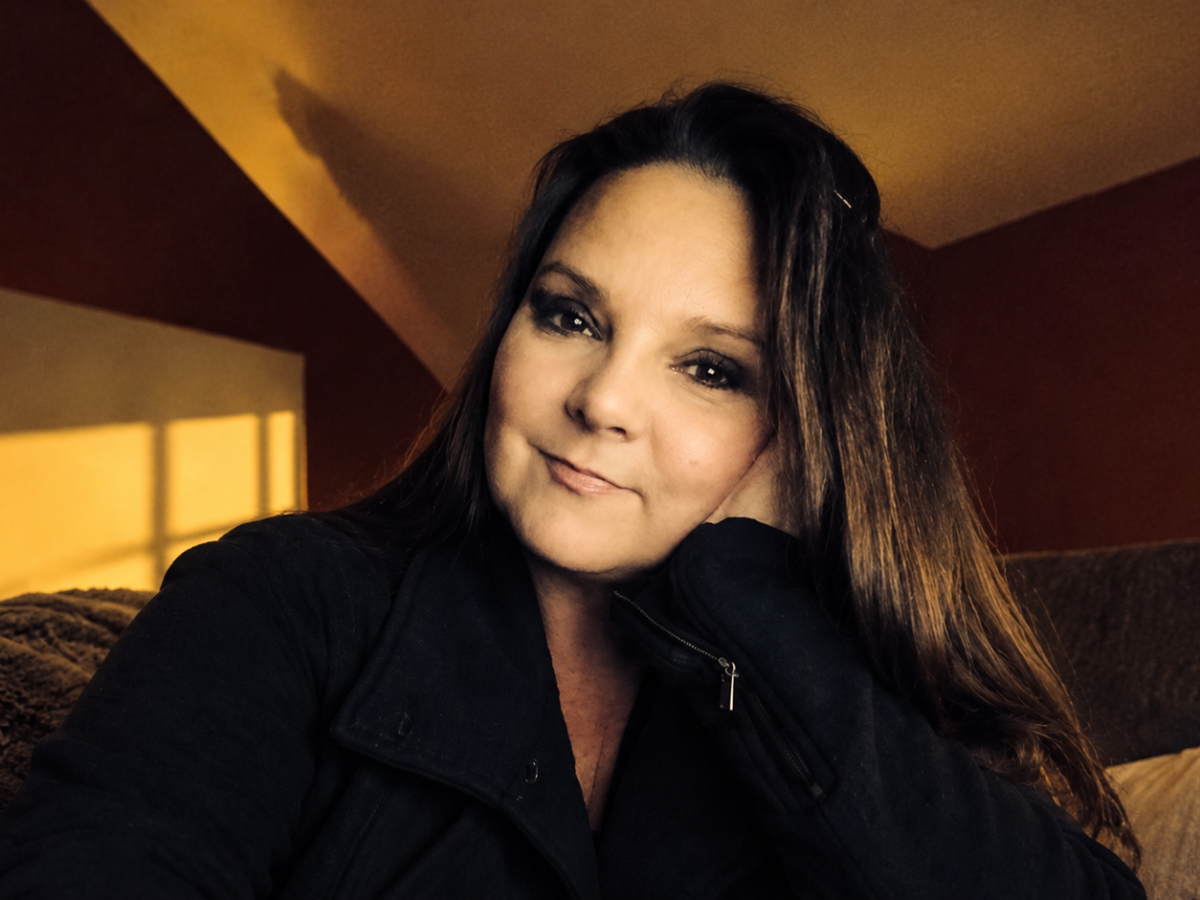
Jodie Kluver has built a career around education, public service, nonprofit leadership, and writing. For decades, she has been interested in how people and organizations respond to change, strengthen their communities, and find their voices.
Kluver has worked across higher education, government, and the nonprofit sector. She has taught at Bridgewater State University since 2006, covering subjects such as public and nonprofit management, American government, state and local government, and civic engagement. She also spent ten years directing the Massachusetts Certified Public Manager Program. Earlier roles included teaching at the University of Nebraska at Omaha and College of Saint Mary, managing grants for the City of Omaha, and working with nonprofit and community organizations.
Her nonprofit career has been equally varied. She served as Director of Development for the Chorus of Westerly and later as Executive Director of Opening Doors for Westerly’s Children. Across those roles, she worked with fundraising, organizational development, programming, strategic planning, and community engagement.
Research and writing have remained constant threads throughout her career. Her academic interests include nonprofit resilience, sustainability, citizen engagement, organizational behavior, and voice. Her work has appeared in publications including Public Administration Review, Administrative Theory & Praxis, Public Manager, The Bridgewater Review, and PA Times.
In 2024, Kluver started The Black Crow Publishing, expanding her work into independent publishing and creative writing. A year later, she published A Woman Remembers (everything) under the pen name J. Byrd. The move reflects a theme that has followed her throughout her career: growth often comes from being willing to change direction while carrying what you have learned with you.
What is your typical day, and how do you make it productive?
My days tend to move between teaching, writing, reading, research, and publishing work. I have learned not to expect every day to look the same. Some days are focused heavily on students and course preparation, while others give me more room to write or work on projects connected to The Black Crow Publishing. I make the day productive by deciding what truly needs my attention rather than trying to finish everything at once. I usually keep a short list of priorities and leave space for the unexpected.
How do you bring ideas to life?
I write them down before I judge them. I have spent years teaching, researching, developing programs, and working with organizations, and I have learned that ideas rarely arrive fully formed. I give them time. Sometimes that means researching an idea, sometimes discussing it with someone, and sometimes simply letting it sit in a notebook until I understand what it is trying to become. The Black Crow Publishing grew in much the same way. It came from wanting to create a place for independent work and voices that deserved room to develop.
What’s one trend that excites you?
I am interested in the growing willingness to cross boundaries between disciplines and forms of writing. For a long time, academic writing, professional writing, and creative writing were treated as very separate worlds. I think people are becoming more comfortable learning from all three. A researcher can be a storyteller. A creative writer can ask serious questions about organizations, communities, or human behavior.
What is one habit that helps you be productive?
Reading. I read across disciplines rather than staying in one narrow area. My interests have always included public administration, nonprofit management, organizational theory, education, creativity, and human development. Reading widely helps me make connections between ideas that may not seem related at first.
What advice would you give your younger self?
Stop expecting certainty before you move forward. There are very few periods in life when everything feels settled. Careers change, organizations change, relationships change, and your own interests change. I would tell my younger self to become comfortable with that much sooner.
Tell us something you believe almost nobody agrees with you on?
I think change gets an unfairly bad reputation. We tend to treat stability as the goal and change as the problem. I see it differently. Nothing is static, and trying to make life completely predictable can become its own limitation. Change can be uncomfortable, but it is also where a great deal of discovery happens. That idea has become increasingly important in both my writing and my life.
What is the one thing you repeatedly do and recommend everyone else do?
Pay attention. We are surrounded by useful information every day, but we are often too busy to notice it. Listen to how people explain their experiences. Notice what makes you curious. Pay attention to what keeps returning to your mind. Some of the best ideas begin as something very small that you almost dismiss.
When you feel overwhelmed or unfocused, what do you do?
I step away from the screen. Gardening, yoga, kayaking, or simply being outside helps me reset. I spend so much of my professional life working with words and ideas that sometimes the best thing I can do is stop adding more information. Physical space can create mental space.
What is one strategy that has helped you grow your business or advance in your career?
I have allowed different parts of my career to inform one another. Teaching made me a better communicator. Nonprofit work taught me about people, resources, and resilience. Research taught me to ask better questions. Editing taught me to pay attention to detail. None of those experiences existed in isolation, and I think my career advanced because I was willing to carry lessons from one setting into another.
What is one failure in your career, how did you overcome it, and what lessons did you take away from it?
There have been projects and ideas that I spent too much time trying to make work simply because I had already invested time in them. Eventually, I learned that persistence and stubbornness are not the same thing. Sometimes stopping, revising, or changing direction is the more responsible choice. The lesson was to evaluate an idea based on where it can go, not only on how much work has already gone into it.
What is one business idea you’re willing to give away to our readers?
Create a small publishing or storytelling service specifically for nonprofit organizations that want to preserve their institutional history. Many organizations have decades of photographs, volunteer stories, newsletters, and community memories sitting in boxes or old files. Turning those materials into short books or digital histories could preserve valuable stories while giving organizations something meaningful to share with future staff, donors, and communities.
What is one piece of software that helps you be productive? How do you use it?
I rely heavily on basic word-processing tools. That may not sound exciting, but I prefer tools that disappear into the background and let me concentrate on the ideas. I use documents to draft, reorganize sections, leave myself notes, and keep different versions of projects as they develop.
Do you have a favorite book or podcast you’ve gotten a ton of value from and why?
I do not have one permanent favorite because what I need from a book changes depending on where I am in my life or work. I tend to value books that make me reconsider something I thought I already understood. I read across political thought, nonprofit management, organizational theory, education, creativity, and human development because ideas become more interesting when disciplines begin speaking to one another.
What’s a movie or series you recently enjoyed and why?
I recently enjoyed a character-driven series where the story unfolded slowly rather than explaining everything immediately. I tend to like stories that trust the audience to notice small details and understand people gradually. That is probably connected to why I enjoy writing as well. People are complicated, and the most interesting stories usually leave room for that complexity.
Key learnings
- Treat ideas as works in progress. Writing them down before judging them creates room for stronger ideas to develop.
- Skills gained in one field can strengthen work in another. Teaching, research, nonprofit leadership, and writing can all inform one another.
- Change does not always need to be resisted. Learning to adapt can create opportunities that rigid plans may miss.
- Reading outside your own field helps uncover connections and perspectives that are easy to overlook.
- Stepping away from work can be productive. Activities such as gardening, movement, or time outdoors can restore focus.