
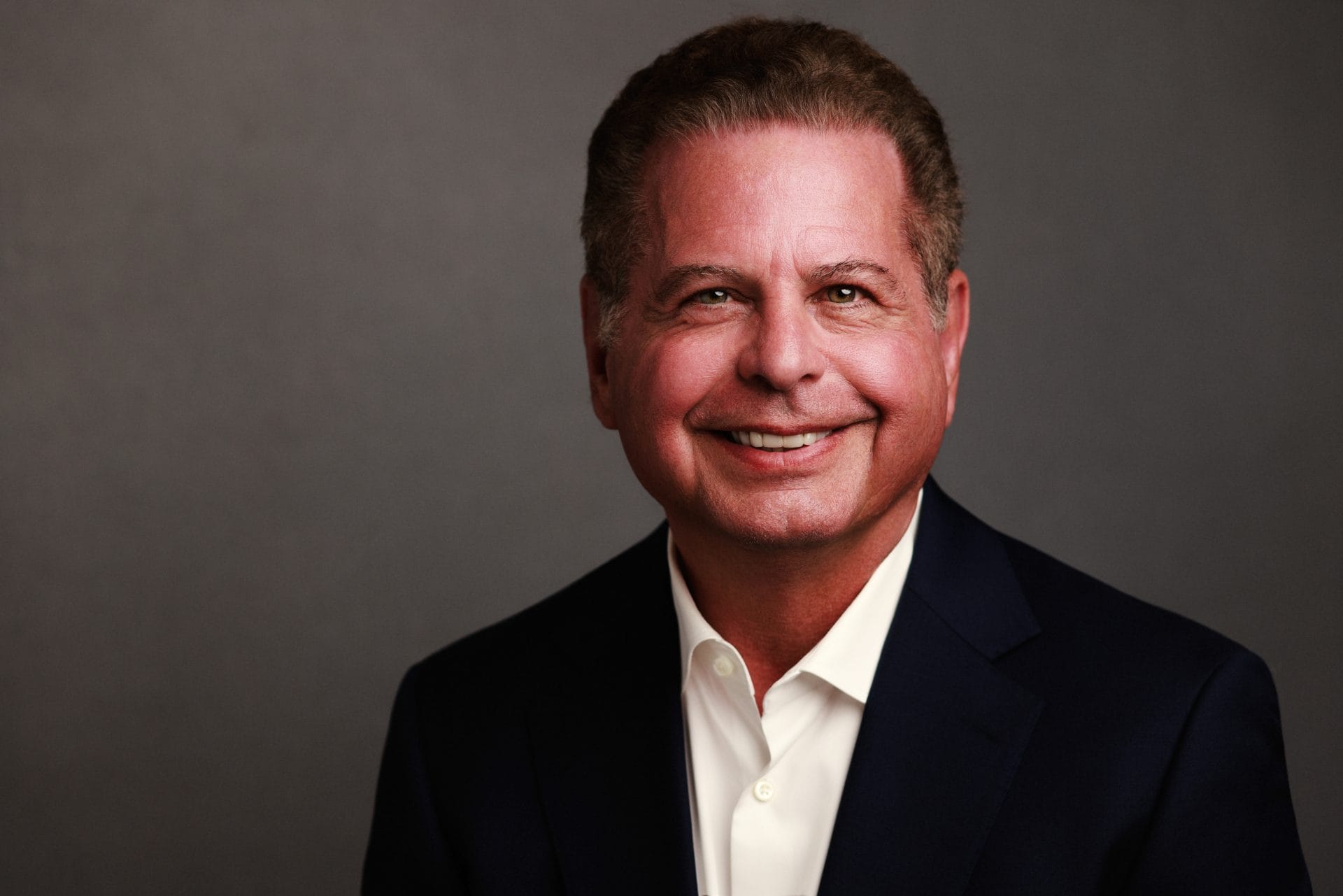
Kent Heckenlively is an attorney, science teacher, and two-time New York Times bestselling author known for his fearless critique of institutional corruption. He is best recognized for coauthoring the PLAGUE series (Plague, Plague of Corruption, and Ending Plague) with Dr. Judy Mikovits and Dr. Francis Ruscetti, gaining acclaim for exposing controversial topics. His Plague of Corruption reached #2 on the NYT Bestsellers list in June 2020, sold over 200,000 copies, and is being adapted into a Liam Neeson–narrated documentary.
He also coauthored four books alongside Project Veritas whistleblowers, including Google Leaks, Behind the Mask of Facebook, This Was CNN, and The Diversity Con, and remains active in journalistic activism through the O’Keefe Media Group. His work often challenges censorship, with several books delisted or banned, including Inoculated, which resulted in a speaking ban in Australia. Two of his titles were named in a 2024 report on books reportedly censored at the request of the Biden administration. With more than 750,000 books in print, translations in ten languages, and over 15,000 Amazon reviews averaging 4.7/5, Heckenlively is regarded as one of America’s strongest voices against corruption in our institutions.
What is your typical day, and how do you make it productive?
My productivity comes down to structure and habits. I get up at five o’clock in the morning and start writing. To me, writing is a math problem: a typical book is 70,000 to 80,000 words, and if I hit 1,000 words a day, then in two or three months I have a completed manuscript. By keeping that routine, I’m able to balance writing two or three books a year with my family and my regular job.
How do you bring ideas to life?
Most of my books start with other people’s stories. Sometimes publishers bring me fascinating people and ask if I want to write their stories, or I stumble across something so compelling that I have to dig deeper. Other times, the research inspires me to spin off into my own creative projects. For example, after studying CIA operations and Watergate, I wrote a novel called This Never Happened in Washington, D.C…—a fictionalized but historically inspired take on that era. My process is about helping others tell their truths while also exploring ideas that fire up my imagination.
What’s one trend that excites you?
After the tragic assassination of Charlie Kirk, I’ve been encouraged to see people returning to church and seeking deeper conversations. I think humanity has been on a very negative path, but I believe we’ve turned a corner. Seeing people strive to be healthier physically, spiritually, and morally gives me hope.
What is one habit that helps you be productive?
The most important habit for me is consistency. I sit down every single day to write, no matter what. That daily discipline means I don’t need to disappear to a cabin for two months to get work done. If I put in a couple of focused hours each morning, the rest of the day is wide open.
What advice would you give your younger self?
I’d tell my younger self to be more zealous in pursuing what I want. I see younger writers who only sit down once a week. Meanwhile, I’ll come to a weekend writing group with 5,000 or 6,000 words already done and a goal of hitting 7,000 by the end of the week. The lesson is simple: do the daily work, and success will come.
Tell us something you believe almost nobody agrees with you on?
In my upcoming book Catastrophic Disclosure on UFOs, most of the experts I interviewed believe aliens are benevolent. I look at the evidence and see something different. I think they may be here for reasons of their own, and higher intelligence often comes with deception. I believe in humanity—we can handle the truth. But I’m not convinced these beings are as friendly as some people assume.
What is the one thing you repeatedly do and recommend everyone else do?
I recommend developing a daily discipline. Whether it’s writing, training, or prayer, do something every single day that moves you toward your goals. For me, writing a thousand words a day is non-negotiable. That’s what allows me to produce multiple books a year without ever feeling overwhelmed.
When you feel overwhelmed or unfocused, what do you do?
I hit the gym. I do Muay Thai training with my coach Eddie “Silky Smooth” Abasolo. Punching and kicking it out clears my head. I also love movies and books—I live in my imagination. If I have a bad day, I rewrite it in my mind and create a more useful narrative for myself.
What is one strategy that has helped you grow your business or advance in your career?
My strategy is simple: be easy to work with. I make promises and keep them, I don’t flip out when things go wrong, and I always thank people for their efforts. Publishing is full of writers who are difficult, so being professional and kind makes me stand out. One publisher told me it was refreshing after being yelled at by another author who, ironically, landed on the New York Times bestseller list that same day.
What is one failure in your career, how did you overcome it, and what lessons did you take away from it?
In my thirties, I tried to become an independent film director. I sank $70,000 to $80,000 into a movie that wasn’t very good. At first, I felt awful about that failure. But looking back, it was one of the most important experiences of my life. It taught me that taking risks, even if you fail, is how you grow. Without that failure, I wouldn’t be the writer I am today with 20 books published and more than 750,000 copies sold.
What is one business idea you’re willing to give away to our readers?
Stories are everywhere. My writing teacher once told me, you can open the newspaper, find an article about a scam or a murder, and turn that into a book if you’re willing to reach out to the people involved. The key is curiosity. If you pursue stories around you, you’ll never run out of material.
What is one piece of software that helps you be productive? How do you use it?
I use Microsoft Word. It’s simple, but it does exactly what I need it to do. Every book I’ve ever written has been drafted in Word. Sometimes the best tool is the most straightforward one.
Do you have a favorite book or podcast you’ve gotten a ton of value from and why?
My favorite book is Foucault’s Pendulum by Umberto Eco. It’s a wild ride through conspiracy theories, and by the end you realize nobody really knows anything. But what a journey it is. That book resonates with me because it mirrors much of my own life’s work—chasing after complex stories, exposing hidden truths, and sometimes realizing that the mystery itself is the lesson.
What’s a movie or series you recently enjoyed and why?
I recently watched Ted Lasso, and my son told me the character reminded him of me. That made me so happy. Ted is upbeat, optimistic, and often underestimated, but he deeply understands human nature and achieves excellence by doing things the right way. That’s how I aspire to live my own life.
Key learnings
- Discipline fuels productivity: Heckenlively writes 1,000 words every morning, treating writing like a math problem. This consistency allows him to produce two to three books a year without burning out.
- Failure became fuel: His unsuccessful $80,000 attempt at filmmaking taught him resilience and risk-taking. That failure laid the foundation for his later success as a bestselling author with over 750,000 books sold.
- Ideas come from people and curiosity: He brings stories to life by collaborating with whistleblowers, diving into research, and transforming real-world events into compelling narratives. His philosophy: stories are everywhere if you’re curious enough to pursue them.
- Integrity and professionalism stand out: In an industry where many writers are difficult, his strategy of being reliable, kind, and easy to work with has helped him grow and maintain strong publishing relationships.
- Challenging assumptions: Whether questioning the benevolence of extraterrestrials or highlighting cultural shifts after Charlie Kirk’s assassination, he encourages looking beyond surface narratives and confronting uncomfortable truths.