
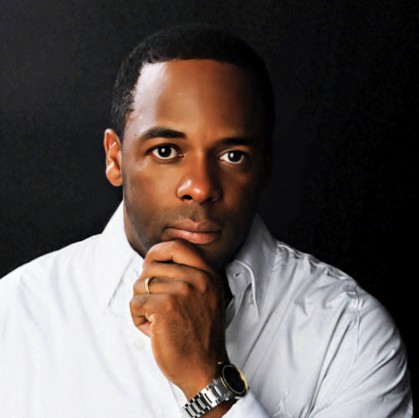
Michael Griffin grew up in Eastern North Carolina in a large family with 11 brothers and sisters. Life was busy, competitive, and structured. He learned early how to stay focused and do his part. Sports played a big role in his early years. He played baseball and football in high school and even tried out for professional baseball. Those experiences shaped how he thinks about discipline and teamwork.
After high school, he attended college but did not complete his degree. Instead, he moved into the workforce and started building experience. He spent years in customer service, learning how people think and what they respond to. That foundation became important later.
Michael entered the gaming industry from the ground up. He started as a player. Over time, he moved into operational roles and then leadership. He paid attention to patterns, customer behavior, and how systems worked in real life.
In March 2018, he became CEO of National Business Center, Inc., based in Knightdale, North Carolina. He now leads Vegas-Style Skill Games and Blue Bull Gaming. His focus is on building systems that are steady, measurable, and built to last.
He is known for creating structured rewards programs and helping guide the company through the COVID-19 disruption with a calm and steady approach.
Outside of work, he enjoys golf, basketball, baseball, drawing, and gaming.
What is your typical day, and how do you make it productive?
My day starts early. I check overnight activity first. I look at engagement numbers, logins, and anything that dropped or spiked. That tells me where to focus.
After that, I connect with my team. Short updates. No long meetings unless needed. I try to keep everything clear and direct.
Most of my day is spent reviewing systems and solving problems. If something is off, I want to understand why. Productivity for me is about removing friction, not adding more work.
How do you bring ideas to life?
I don’t launch big ideas all at once. I test them small.
When we built our rewards program, we didn’t roll it out everywhere. We tested it in a few locations. One version rewarded long sessions. Another rewarded frequent visits. The second one worked better.
From there, we adjusted and scaled. Ideas only matter if they work in real conditions.
What’s one trend that excites you?
Access is expanding fast. People can engage from anywhere now.
That changes everything. It forces businesses to be more structured. You can’t rely on location anymore. You have to rely on systems.
What is one habit that helps you be productive?
I review patterns daily.
Not just results. Patterns. If someone logs in less often or engagement shifts, I want to catch it early. That habit helps prevent bigger problems later.
What advice would you give your younger self?
Slow down and learn each step.
I moved quickly early on, but the real value came from understanding how things worked at every level. If you skip that, you miss important details.
Tell us something you believe almost nobody agrees with you on?
Growth is not always good.
A lot of people push for fast expansion. I think controlled growth is better. If your systems can’t support it, growth creates problems.
What is the one thing you repeatedly do and recommend everyone else do?
Track what is actually happening.
Not what you think is happening. Not what someone says is happening. Look at real data. That clears up most confusion.
When you feel overwhelmed or unfocused, what do you do?
I simplify everything.
I ask one question: what actually needs to get done today? Then I focus on that.
Sometimes I step away for a short time. I’ll go hit a few golf balls or just reset. That helps me come back clearer.
What is one strategy that has helped you grow your business or advance in your career?
Understanding the customer side first.
I started as a player. I saw how people actually interacted with games. Later, when we built systems, we didn’t guess. We used real behavior.
That made our decisions more accurate.
What is one failure in your career, how did you overcome it, and what lessons did you take away from it?
We rolled out a promotion too quickly once. The rules were not clear enough.
Customers misunderstood how it worked. We had to pull it back and fix everything.
The lesson was simple. Clarity matters more than speed. Now we test and explain everything before scaling.
What is one business idea you’re willing to give away to our readers?
A simple engagement tracker for small operators.
It doesn’t need to be complex. Track how often people return each week. Track how long they stay. Most businesses don’t even measure that consistently.
Start there and you’ll already be ahead.
What is one piece of software that helps you be productive? How do you use it?
We use internal dashboards to track engagement.
Every morning I check them. I look for changes in patterns. It helps guide decisions without guessing.
Do you have a favorite book or podcast you’ve gotten a ton of value from and why?
The Hard Thing About Hard Things by Ben Horowitz stands out. It talks about running a business when things are not going well. That applied during COVID.
I also like Good to Great by Jim Collins. It focuses on discipline and systems, not hype.
For podcasts, I listen to How I Built This with Guy Raz. It shows how companies actually grow step by step. I also listen to The Game with Alex Hormozi because it’s direct and focused on operations.
What’s a movie or series you recently enjoyed and why?
Moneyball is one I go back to. It shows how data and patterns can change decisions. That applies directly to how we look at engagement.
I also like The Founder. It shows how structure and systems scale a business.
For series, Formula 1: Drive to Survive stands out. It shows how teams operate under pressure and how small decisions affect performance.
Key learnings
- Strong businesses are built on systems, not quick wins or assumptions.
- Understanding real customer behavior leads to better decisions.
- Testing ideas in small steps reduces risk and improves outcomes.
- Clear communication prevents operational problems before they grow.
- Consistent pattern tracking helps leaders stay ahead of change.