
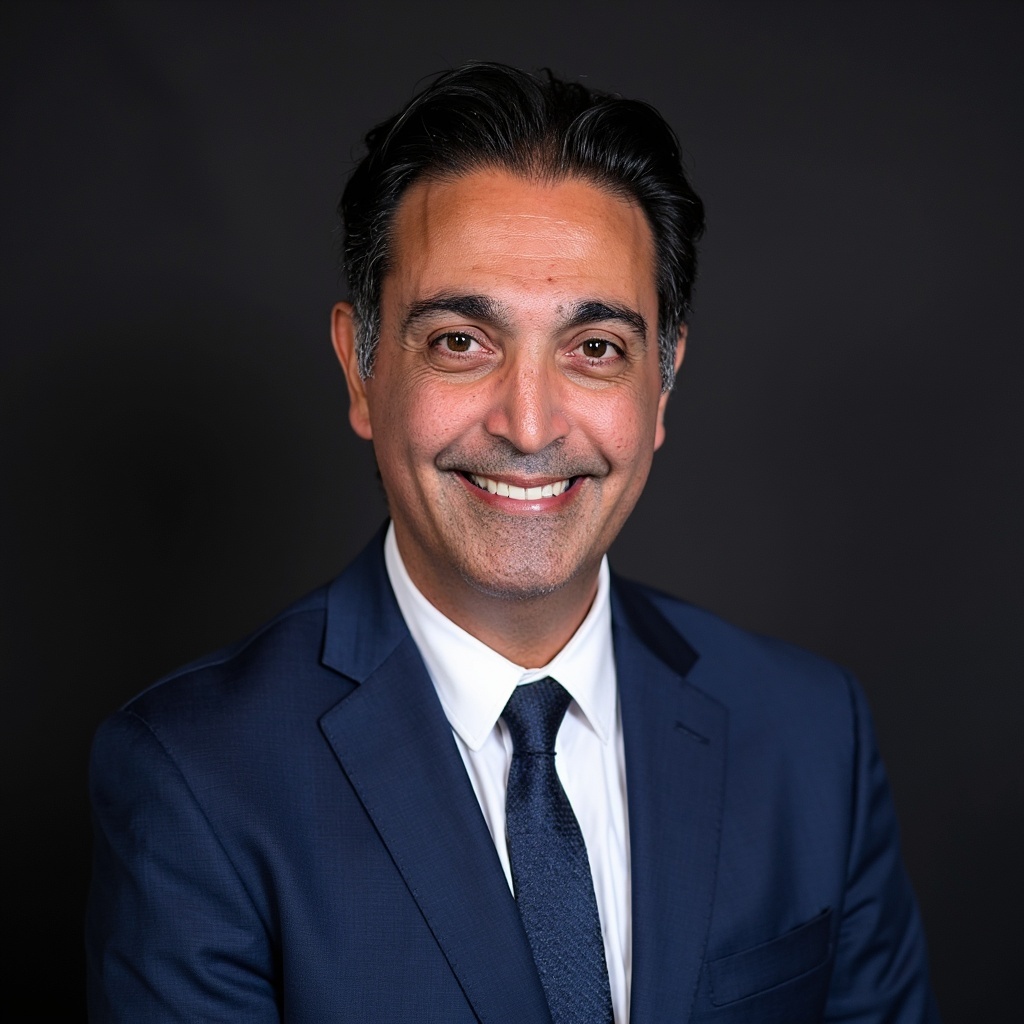
Ricky Sayegh, MD, meets the needs of Bergen County, New Jersey, patients as an interventional pain management physician. He applies modalities such as neck and back injections, as well as vein treatments. His personalized medical approach includes comprehensive evaluations and preventive health, as he addresses issues of the neck, joints, and lower back. Board certified in internal medicine and advanced trauma and life support, Dr. Ricky Sayegh takes an active role in ensuring patient wellness across the various stages of care and recovery.
In his previous position as chief medical officer with Con Edison, Dr. Sayegh met employee wellness needs and delivered inpatient admission assessments and outpatient exams. Committed to upholding the standards of organizations such as the American College of Physicians, he was recognized as a Top Doctor in New Jersey in 2025 for interventional pain management.
Ricky Sayegh, MD, has completed numerous missions with Doctors Without Borders, providing underserved rural Mexicans with essential primary care. He has also devoted volunteer time and effort to reentry organizations that help reintegrate ex-inmates into society in a meaningful way.
What is your typical day, and how do you make it productive?
A typical day involves patient consultations, reviewing medical records, and collaborating with colleagues to ensure each patient receives comprehensive and coordinated care. Throughout the day, I focus on listening carefully to patients, understanding their concerns, and developing personalized treatment plans that address both immediate needs and long-term health goals. I also dedicate time to staying current with medical advancements and best practices, which helps me provide the highest standard of care.
Staying organized is key to maintaining productivity, so I rely on a structured schedule and clear prioritization of tasks to manage my time effectively. This allows me to balance clinical responsibilities with administrative work while remaining fully present for each patient interaction. By combining organization, continuous learning, and a patient-centered approach, I’m able to maintain both efficiency and quality in my daily work.
How do you bring ideas to life?
I bring ideas to life by starting with a clear goal and collaborating with a strong team. In healthcare, it’s important to ensure ideas are practical and aligned with improving patient outcomes. I break each idea into actionable steps and set realistic milestones to keep things on track. Consistency and follow-through are key to turning ideas into meaningful results.
What’s one trend that excites you?
One trend that excites me is artificial intelligence and its growing role in healthcare. AI has the potential to improve diagnostics, streamline workflows, and support more personalized treatment plans. It can help physicians make more informed decisions while saving time on administrative tasks. When used thoughtfully, it enhances patient care without replacing the human connection that’s essential in medicine.
What is one habit that helps you be productive?
One habit that helps me stay productive is waking up very early. Starting the day early gives me uninterrupted time to prepare, review priorities, and set a clear focus before a busy schedule begins. It allows me to stay organized and approach the day with a sense of control. That early momentum carries through the rest of the day and helps me stay efficient and present for my patients.
What advice would you give your younger self?
I would tell my younger self to embrace flexibility and be open to unexpected opportunities. Not everything will go exactly as planned, and some of the best growth comes from adapting to change. Staying open-minded allows you to learn from different experiences and discover new paths. In the long run, that flexibility helps you build both resilience and a more well-rounded career.
Tell us something you believe that almost nobody agrees with you on.
One belief I hold that not everyone agrees with is that technology in healthcare should always be balanced with human interaction. While innovation like AI and digital tools can improve efficiency and outcomes, they should never replace the personal connection between a physician and patient. Empathy, trust, and communication are essential parts of effective care. Maintaining that balance ensures patients feel heard and supported, not just treated.
What is the one thing you repeatedly do and recommend everyone else do?
One thing I consistently practice and recommend to others is treating people the way you want to be treated. In healthcare, this means approaching every patient with respect, empathy, and genuine care. It helps build trust and creates a more positive experience for everyone involved. That mindset extends beyond medicine and is something that can improve both personal and professional relationships.
When you feel overwhelmed or unfocused, what do you do?
When I feel overwhelmed or unfocused, I take a deep breath and pause for a moment. That simple reset helps clear my mind and regain perspective, especially during a busy day. It allows me to refocus on what’s most important and approach the next task with more clarity. Even a brief pause can make a big difference in staying calm and effective.
What is one strategy that has helped you grow your business or advance in your career?
One strategy that has helped me grow my career is building a strong professional network. Developing relationships with colleagues, specialists, and other professionals creates opportunities for collaboration and shared learning. It also allows for better coordination of care and access to new ideas and approaches. Over time, those connections open doors and help support both personal growth and improved outcomes for patients.
What is one failure in your career, how did you overcome it, and what lessons did you take away from it?
Early in my career, I experienced a misdiagnosis that had a lasting impact on how I approach patient care. I took it as an opportunity to reflect, learn, and strengthen my clinical process. Since then, I’ve focused on being more thorough in evaluations, asking deeper questions, and considering a broader range of possibilities. That experience reinforced the importance of diligence, continuous learning, and always putting patient safety first.
What is one business idea you’re willing to give away to our readers?
A platform for virtual health consultations to improve access in rural areas. Many communities still face barriers to timely care, and telehealth can help bridge that gap. A well-designed platform could connect patients with qualified providers while maintaining continuity and quality of care. Expanding access in this way has the potential to make a meaningful impact on overall health outcomes.
What is one piece of software that helps you be productive? How do you use it?
One piece of software that helps me stay productive is the electronic medical record (EMR) system. It allows me to quickly access patient charts, lab results, and medical history in one place. This saves a significant amount of time and helps streamline both clinical and administrative tasks. It also supports better decision-making by keeping all relevant information organized and easily accessible.
What is the best $100 you recently spent? What and why?
The best $100 I recently spent was renewing my medical license. It’s a necessary investment that allows me to continue practicing and caring for my patients. Staying current with licensing ensures I meet professional standards and remain in good standing. It’s a small cost that supports the ability to do meaningful and impactful work every day.
Do you have a favorite book or podcast you’ve gotten a ton of value from and why?
One book I’ve found a great deal of value in is the Bible. The teachings and example of Jesus provide a strong foundation for compassion, humility, and serving others. Those principles have influenced both my personal life and the way I care for patients. It’s a constant reminder to lead with empathy and integrity in everything I do.
What’s a movie or series you recently enjoyed and why?
A series I recently enjoyed is “The Good Doctor.” It’s both entertaining and one of the more realistic portrayals of medicine on television. The show highlights the challenges physicians face while also emphasizing empathy and patient care. I appreciate how it balances clinical accuracy with meaningful storytelling.
Key learnings
- Prioritizing organization and planning can significantly enhance daily productivity.
- Personalized medicine is a promising trend that can revolutionize patient care.
- Building a strong professional network is crucial for career advancement.
- Embracing flexibility and unexpected opportunities can lead to growth and success.