
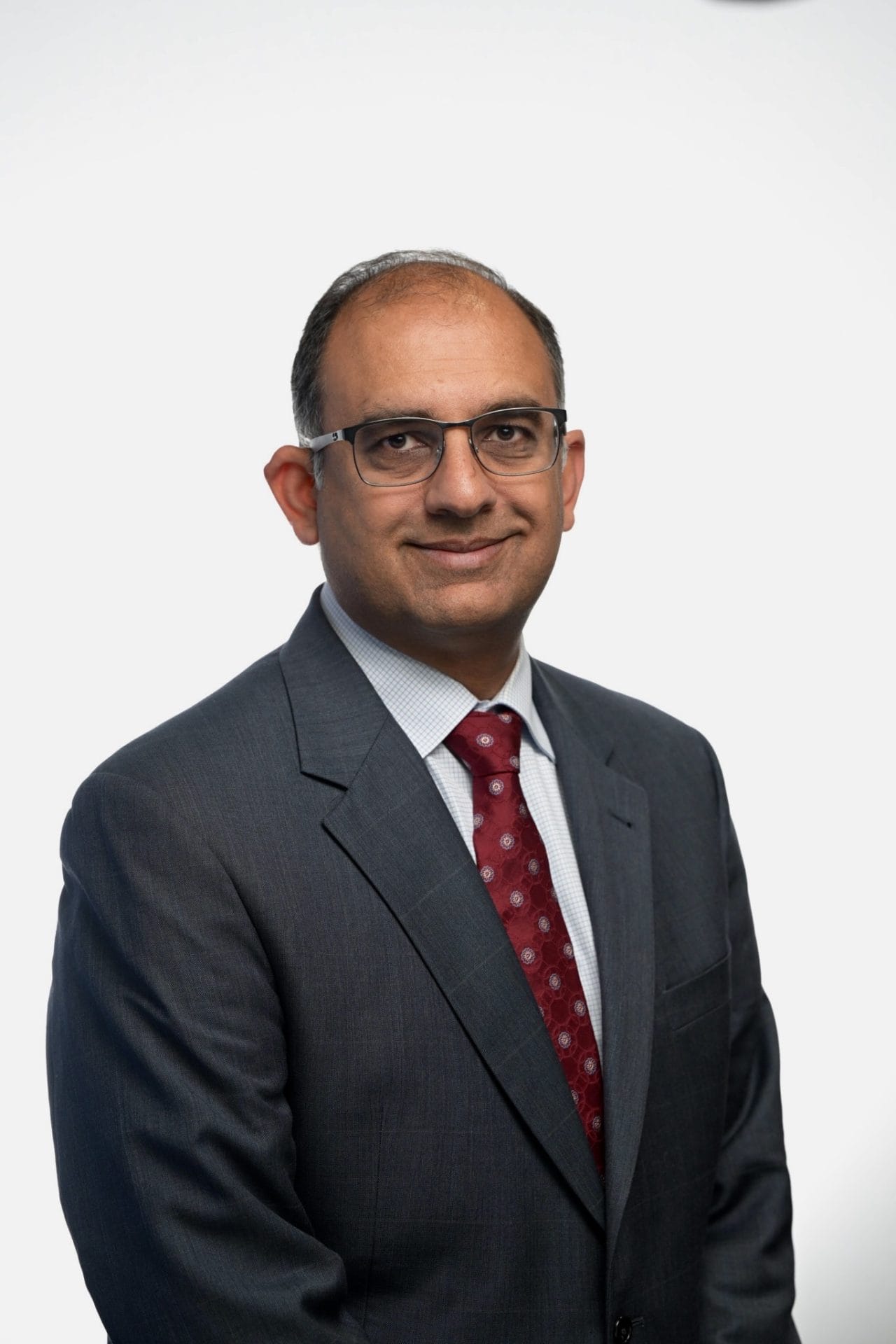
Nirav Pandya’s story starts in Mt. Laurel, New Jersey, where he grew up watching his father build a new life from scratch. His dad, a civil engineer from IIT Madras, came to America in 1971 with nothing but determination—and by retirement, he was a partner at Deloitte. That quiet persistence became Nirav’s blueprint.
In 1998, Nirav moved to Florida chasing opportunity and sunshine. After years of working his way up through technology and manufacturing, he became President and CEO of Orion Technologies—a small startup that he grew into a $50 million industry leader. The company earned a place on the Inc. 5000 list multiple times and was recognized among the best places to work in Orlando.
After Orion, Nirav founded Fulcrum Consulting and Fulcrum Integrated Solutions, helping other companies scale smarter. His clients include manufacturing, defense, and technology firms looking to grow revenue, streamline operations, and boost enterprise value.
Nirav’s approach is simple: pair data-driven strategy with people-first leadership. He’s known for improving throughput by over 50% without adding headcount, and for helping companies triple sales within 18 months. But behind the numbers is a belief in adaptability, continuous learning, and integrity.
Today, from his home base in Orlando, Nirav balances business with family, soccer, and tennis. His story isn’t about luck—it’s about discipline, curiosity, and the willingness to turn every obstacle into a lesson.
What is your typical day, and how do you make it productive?
I start my mornings early, usually around 5:30 a.m., before the rest of the world wakes up. I use that quiet time to think clearly—no phone, no emails. I plan the day using a digital task manager, setting three priorities that must get done. After that, I work out for 45 minutes; physical movement clears my mind and sets the tone. Once I get to the office, most of my time is spent meeting with clients or my team—problem-solving, strategizing, and tracking progress. I review operational dashboards daily. My afternoons are for creative work—writing proposals, designing frameworks, or mentoring. By evening, I unplug. Family time and reflection are just as important as execution.
How do you bring ideas to life?
I believe in fast iteration. When an idea strikes, I map it into a framework—what value it creates, who benefits, and how we can test it quickly. At Orion, one of our biggest wins came from piloting a modular system architecture that wasn’t fully developed yet. We tested it on a small client, learned from real-time data, and refined it. That mindset—launch small, learn fast—has carried over into Fulcrum. Ideas mean little until they’re validated by results.
What’s one trend that excites you?
The integration of AI into operational consulting. It’s not about replacing people—it’s about augmenting human decision-making. Predictive analytics can now forecast bottlenecks in production or resource allocation. I’ve seen clients use these tools to anticipate issues weeks in advance, saving thousands. That blend of data and intuition excites me.
What is one habit that helps you be productive?
Weekly reflection. Every Friday, I spend 30 minutes reviewing what worked and what didn’t. I ask: Did I focus on impact or busyness? It’s humbling but powerful. Small adjustments compound over time.
What advice would you give your younger self?
Don’t rush to grow—focus on building foundations. In my early years, I wanted every project to move faster. Over time, I learned that scaling too quickly without structure can backfire. Patience and process are not enemies of ambition; they’re its protectors.
Tell us something you believe almost nobody agrees with you on?
I believe meetings aren’t the enemy—badly run meetings are. With a clear agenda, purpose, and time box, meetings can create alignment and spark innovation. It’s not about less communication; it’s about smarter communication.
What is the one thing you repeatedly do and recommend everyone else do?
Listen before deciding. At Orion, some of our best operational changes came from technicians, not executives. Front-line perspectives often reveal truths data alone can’t show.
When you feel overwhelmed or unfocused, what do you do?
I go outside. A short walk, even ten minutes, resets my mind. Sometimes I call a mentor or friend to get perspective. Stepping away often leads to clearer decisions when I return.
What is one strategy that has helped you grow your business or advance in your career?
Focus on throughput, not activity. Early in my career, I equated busyness with productivity. At Fulcrum, I teach clients to measure output per resource. When you improve systems, not just effort, growth becomes exponential.
What is one failure in your career, how did you overcome it, and what lessons did you take away from it?
We once launched a product that completely missed the mark with customers. Months of work—gone. Instead of doubling down, I paused and had my team re-engage users. We discovered the features they truly needed were simpler. We pivoted, relaunched, and it became one of our top solutions. That taught me failure is just feedback with bad timing.
What is one piece of software that helps you be productive? How do you use it?
I use Notion to manage projects, goals, and even reflections. Each client engagement has a dashboard with metrics, notes, and outcomes. It keeps everything visible and integrated.
Do you have a favorite book or podcast you’ve gotten a ton of value from and why?
Good to Great by Jim Collins still resonates. The “Flywheel Effect” taught me that consistency builds momentum—and that applies to business, fitness, and life.
What’s a movie or series you recently enjoyed and why?
The Playlist on Netflix. It’s about the creation of Spotify. I love stories of founders who rethink entire industries by questioning assumptions.
Key learnings
- Consistent reflection drives growth more than constant motion.
- Listening deeply—especially to front-line employees—can uncover hidden opportunities.
- Failure is a data point, not a destination. Pivot, don’t panic.
- Productivity comes from clarity, not busyness.
- Systems and discipline—not speed—are what sustain success.